EN
EN
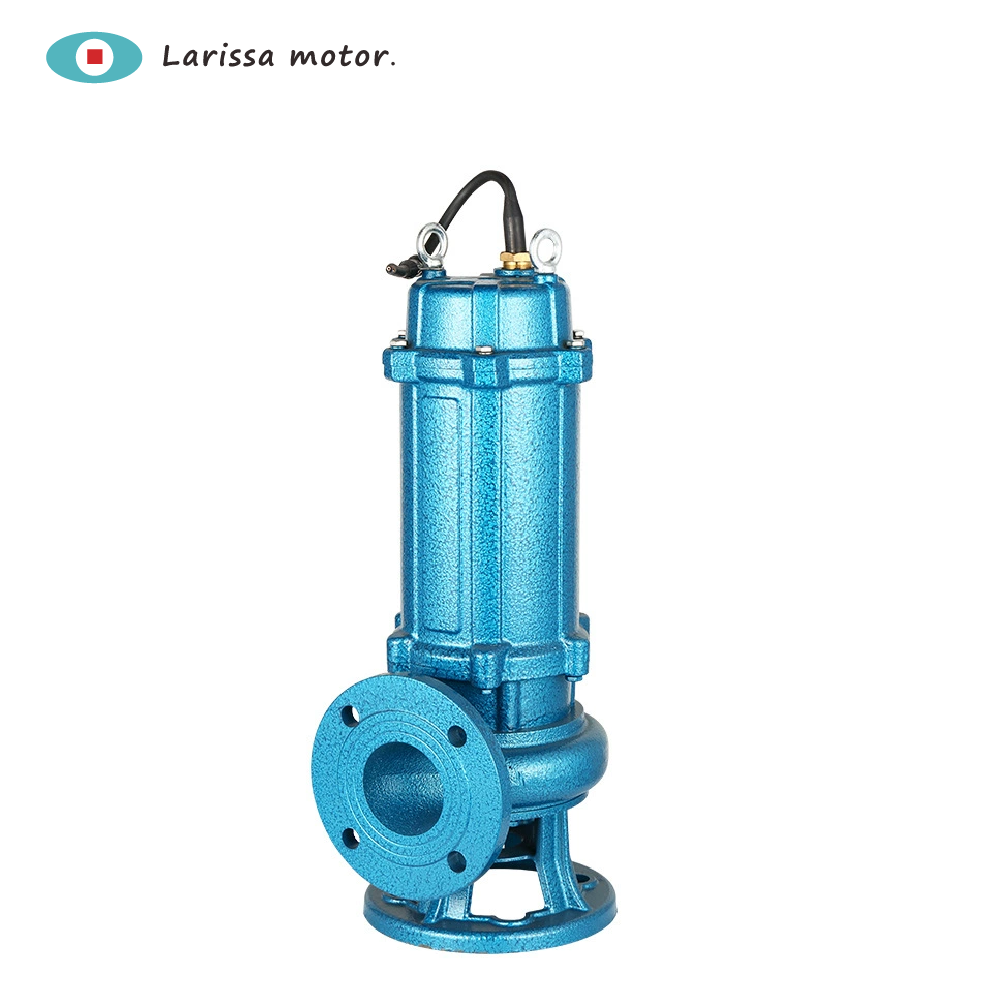
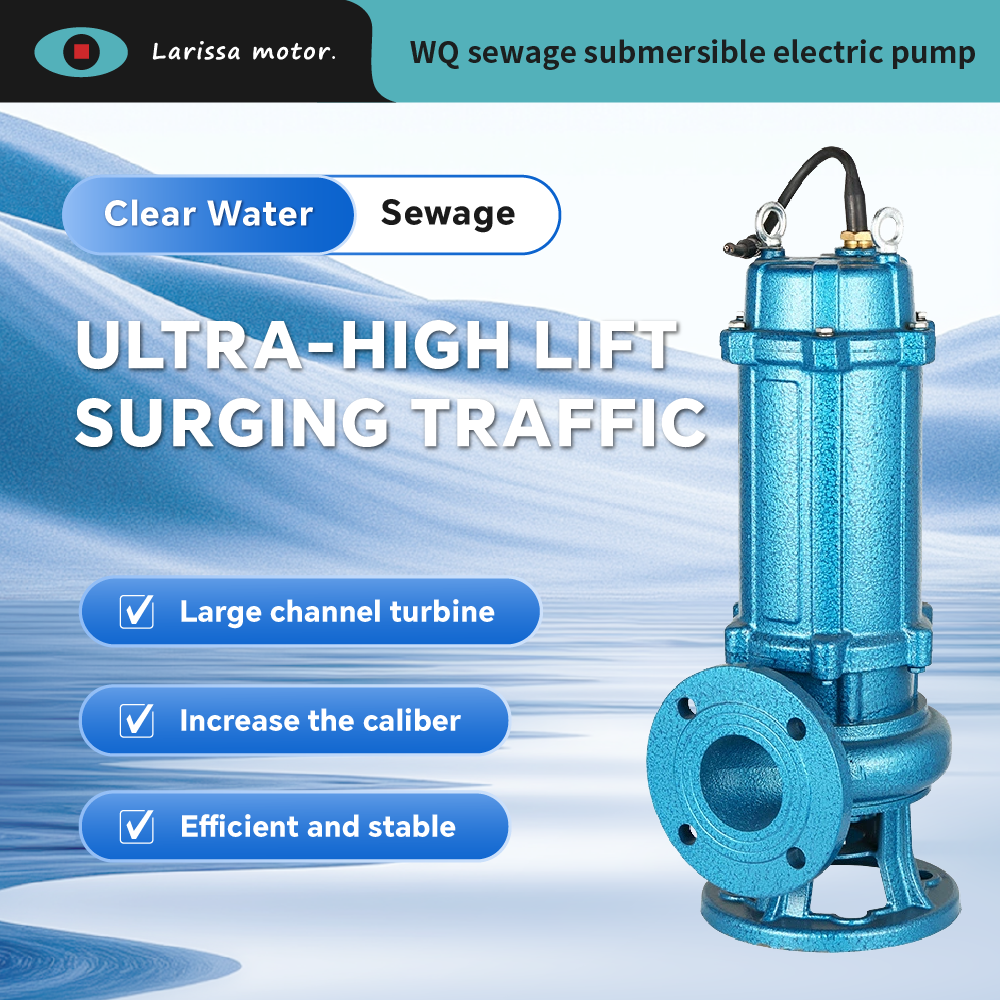
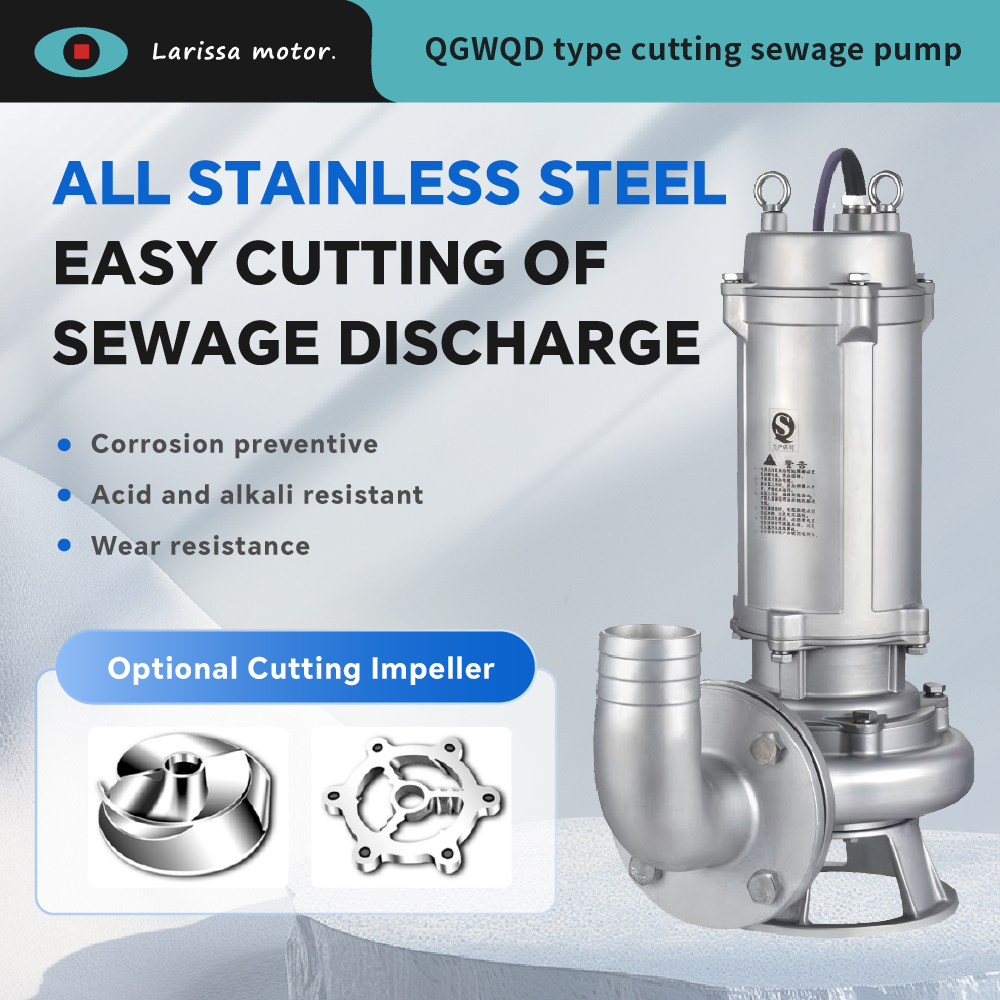
Dirty water pumps are essential tools in various industries, designed for the efficient removal of contaminated water and other fluids. Choosing the right dirty water pump can significantly impact operational efficiency and cost-effectiveness. B2B buyers, such as purchasing managers and project engineers, often face concerns regarding product specifications, quality assurance, and supplier reliability. This article aims to provide a comprehensive guide on selecting dirty water pumps, evaluating suppliers, ensuring quality, and understanding their applications across multiple sectors. For instance, understanding the unique requirements for applications such as Agricultural Water Pumps can be crucial.
Reliable Suppliers for Dirty Water Pumps
Identifying a trustworthy supplier is vital for ensuring long-term reliability and performance of dirty water pumps. When evaluating suppliers, consider the following:
Experience and Reputation: Look for manufacturers with a proven track record in producing dirty water pumps. Larissa Motor, for instance, has been in the electromechanical products industry since 1998, emphasizing quality and performance. Customization Options: Many applications require specific pump configurations. A supplier that offers customization can provide a tailored solution that fits your precise needs. Lead Times and Availability: Confirm the supplier's ability to meet delivery deadlines. This is particularly important in urgent situations where equipment is needed quickly. Post-Sale Support: Reliable suppliers should offer comprehensive after-sales support, including maintenance services and spare parts availability.By thoroughly vetting potential suppliers, buyers can ensure they partner with a company capable of meeting their operational requirements. For example, suppliers specializing in Industrial Water Pumps can provide critical support.