Choosing the Right Water Fountain with Pump

Get a Professional Sourcing Quote

Our pump experts will review your request and reply within 12 hours.
Choose Your Needs Optional Business Type
Customization Requirements Optional
Email
Name
Company Name & Website
Message
0/1000

water fountain with pump

Water fountains with pumps serve not only as decorative features in  various environments  but also play  a crucial  role in enhancing the ambiance  and promoting  relaxation. For B2B  buyers—such as purchasing managers,  engineers, and facility managers—selecting the right water fountain involves  understanding product specifications, performance requirements, and  supplier reliability. This article will guide  you through the essential considerations for  choosing  a water  fountain with  pump,  exploring supplier options, best practices, applications across settings,  and the material  advantages that ensure  longevity and performance.
 
Finding Reliable Suppliers of Water Fountains

Finding Reliable Suppliers of Water Fountains

When  sourcing water fountains with pumps, identifying trustworthy suppliers is paramount. Here are  some strategies to find reliable manufacturers:

Industry Reputation: Research suppliers with a strong market presence  and positive reviews.  Look  for  companies that have been in business for several years  and specialize in water features or outdoor decor.

Certifications and Standards: Ensure  the supplier adheres to international standards and quality control processes. Certifications can indicate compliance with safety and performance benchmarks,  giving you  confidence  in their products.

Sample  Requests: Before  placing a bulk order, request samples of  the fountain or similar products. This allows you to evaluate the quality, craftsmanship, and suitability for your project.

Customer Support: Assess the supplier's responsiveness and willingness  to assist with inquiries. A reliable supplier should provide clear communication channels and be open to discussing customization and technical specifications.

Export  Capabilities: If your project  is  international, verify the supplier’s export capabilities.  Ensure they can handle shipping logistics and customs  requirements to avoid delays.
Best Practices

Best Practices

To ensure  a successful procurement process for water fountains with pumps, consider the following  best practices:

Detailed Specifications:  When  requesting quotations, provide detailed specifications,  including dimensions, materials, desired features, and installation requirements.  This clarity helps suppliers provide accurate pricing and lead times.

Quality Assurance: Implement a quality assurance process to  evaluate samples  against  your project standards. Check for consistency in materials, finish quality, and pump performance.

Installation Guidelines:  Familiarize yourself with  the installation  requirements for the  fountain and pump. This  includes understanding the necessary electrical connections  and  water supply lines to ensure smooth  installation.

Maintenance  Planning: Discuss maintenance requirements with your supplier. A fountain with  a pump may require regular cleaning and pump  maintenance to ensure optimal performance. Establish a maintenance schedule to prevent operational issues.

Exploring Applications for Water Fountains with Pumps in Various Settings

Exploring Applications for Water Fountains with Pumps in Various Settings

Water fountains with pumps  can enhance a variety of  environments, serving both aesthetic and functional purposes. Common applications include:

Public Spaces: Parks and plazas often feature large water fountains that serve as  focal points, attracting visitors and  enhancing the ambiance of the area.

Corporate Environments:  In office settings, smaller indoor  fountains can improve air quality and promote  a tranquil  atmosphere, benefiting  employee well-being and productivity.

Hospitality Venues:  Hotels and restaurants frequently use  water fountains  as decorative elements in lobbies or outdoor dining  areas, creating an inviting atmosphere for guests.

Residential Properties: Homeowners may opt for  smaller fountains  to enhance their gardens or patios, providing a serene outdoor space for relaxation.

Therapeutic Environments: Spas  and wellness centers  utilize water fountains to  create calming environments, aiding in relaxation and  stress relief for  clients.

Material Advantages of Water Fountains with Pumps for Long-Term Use

The material used in water fountains with pumps significantly impacts their  durability and efficiency. Key material advantages include:

Stainless Steel: Known for its strength and corrosion resistance, stainless steel fountains require minimal maintenance and can  withstand various weather conditions, making them ideal for outdoor installations.

Fiberglass: Lightweight and versatile, fiberglass fountains can be molded into intricate designs. They are  resistant to fading and can be produced in various colors, offering aesthetic flexibility.

Natural Stone: Stone fountains  exude a timeless beauty and can integrate seamlessly  into natural landscapes. However,  they may require more maintenance to prevent algae growth and staining.

Reinforced Concrete: For larger installations,  reinforced concrete  provides strength and stability. It can also be customized  with  various finishes  to enhance its appearance.

Composite Materials: Emerging composite materials  offer the look of  stone or metal  while being lighter and easier to install. They often come with added durability against weather elements.

Choosing the right water  fountain with pump involves  careful consideration of specifications, supplier reliability, and material advantages. By following best practices and understanding application  suitability, you can ensure that your investment  contributes positively to  the  intended environment.

How to Choose the Right Water Fountain with Pump for Your Projec

Selecting the appropriate water fountain with pump involves evaluating specific factors that align with your project's requirements. Key  considerations include:

Size  and Scale: Determine the dimensions of  your  installation space and decide whether a freestanding fountain or a  wall-mounted option is most suitable. Measure the area to ensure the chosen model fits and complements the surrounding environment.

Pump Specifications: The pump's capacity, often measured in gallons per hour (GPH), is critical. Ensure the pump can efficiently circulate water at the desired flow rate, considering the fountain's height and design. An undersized pump may lead  to inadequate water flow, while an oversized pump can create excessive noise and  splashing. For example, consider the Horizontal Multistage Centrifugal Pump for High Pressure Water Supply Systems for optimal performance.

Material Selection: The fountain's  material affects durability and maintenance.  Common materials include stone,  fiberglass, and stainless steel. Each material has its  advantages;  for instance, stainless steel offers corrosion resistance, while stone provides  a natural aesthetic.


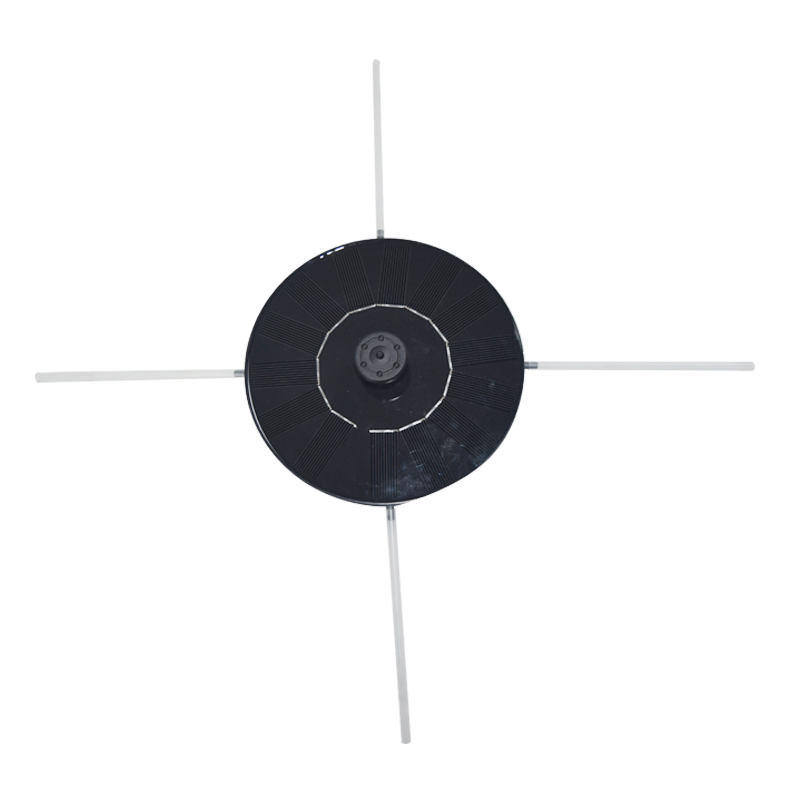
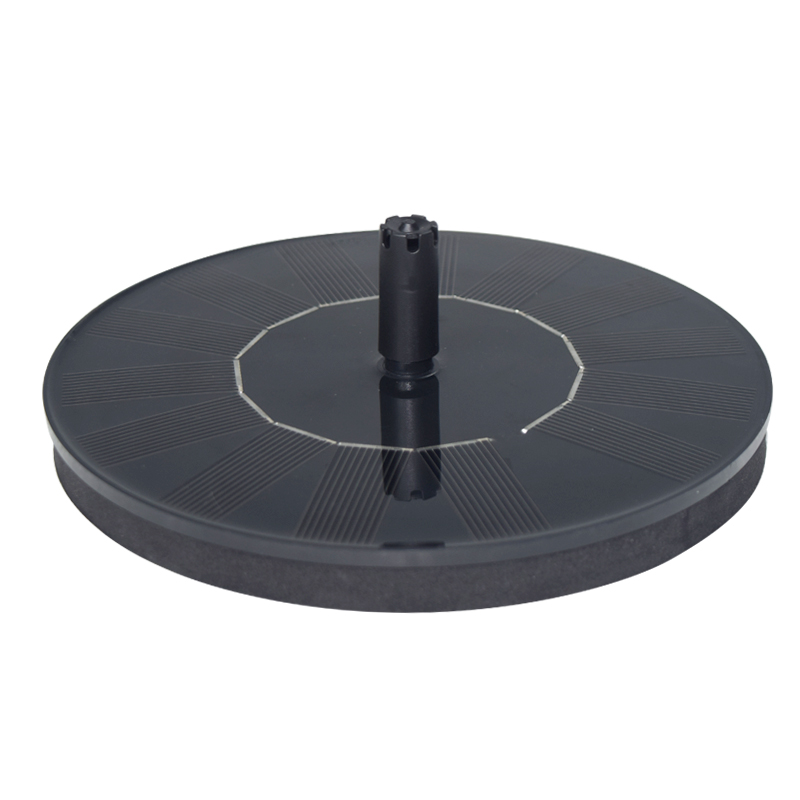
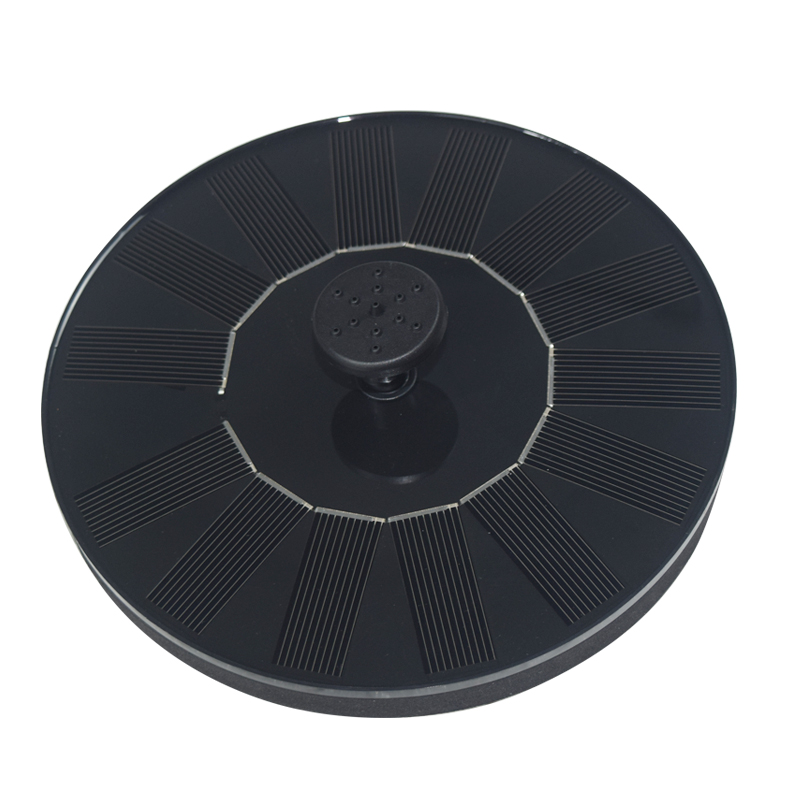
Power Supply: Consider the power source for  the pump. While many fountains operate on standard electrical connections,  some may offer solar options for energy efficiency. Ensure that the chosen power  supply aligns with your installation  logistics.


Customization Options: Many manufacturers, like Larissa Motor, offer customization capabilities. Discuss  your specific design preferences, such as color, style, and additional features like LED lighting or water features, to ensure the fountain meets your aesthetic and functional needs.

Get a Professional Sourcing Quote

Our pump experts will review your request and reply within 12 hours.
Choose Your Needs Optional Business Type
Customization Requirements Optional
Email
Name
Company Name & Website
Message
0/1000

Related product categories