EN
EN
Water pump boosters are essential devices designed to enhance water pressure in various applications, ensuring efficient operation in residential, commercial, and industrial settings. As a purchasing manager or engineer, understanding the specifications, installation requirements, and common issues associated with water pump boosters is crucial for making informed decisions. This article will guide you through the essential aspects of selecting and using these devices effectively, helping you address common buyer concerns and optimize performance.
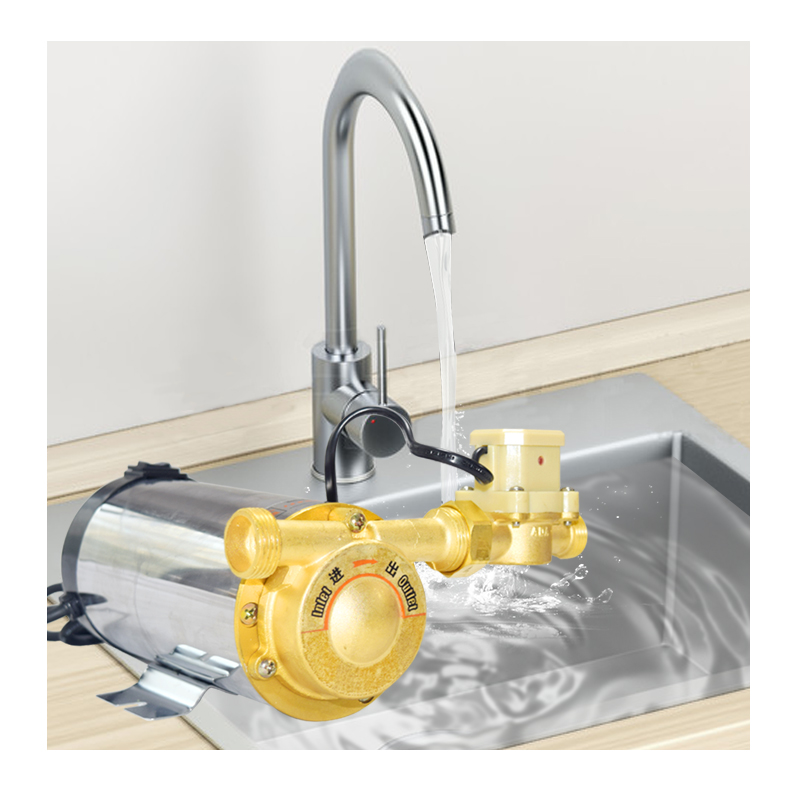
Installation Guidance for Optimal Performance of Water Pump Boosters
Proper installation is vital for maximizing the performance of water pump boosters. Here are essential steps and considerations:
Location: Position the booster close to the main water supply to minimize pressure loss. Ensure that the area is accessible for maintenance and inspection.
Piping Compatibility: Use pipes compatible with the booster’s specifications. Check for the correct diameter and material to avoid leaks or pressure drops.
Electrical Connections: Ensure a qualified technician handles electrical installations to comply with safety standards. The power supply should match the booster’s requirements to prevent operational issues.
Testing Before Use: After installation, conduct a thorough system test to verify that the booster operates correctly. Monitor pressure levels and flow rates to confirm that they meet specified requirements.
Regular Maintenance: Establish a routine maintenance schedule to inspect and service the booster. This includes checking for leaks, cleaning filters, and ensuring all components are functioning properly.
Following these guidelines will help ensure that your water pump booster operates at optimal performance levels, reducing the likelihood of future issues.