EN
EN
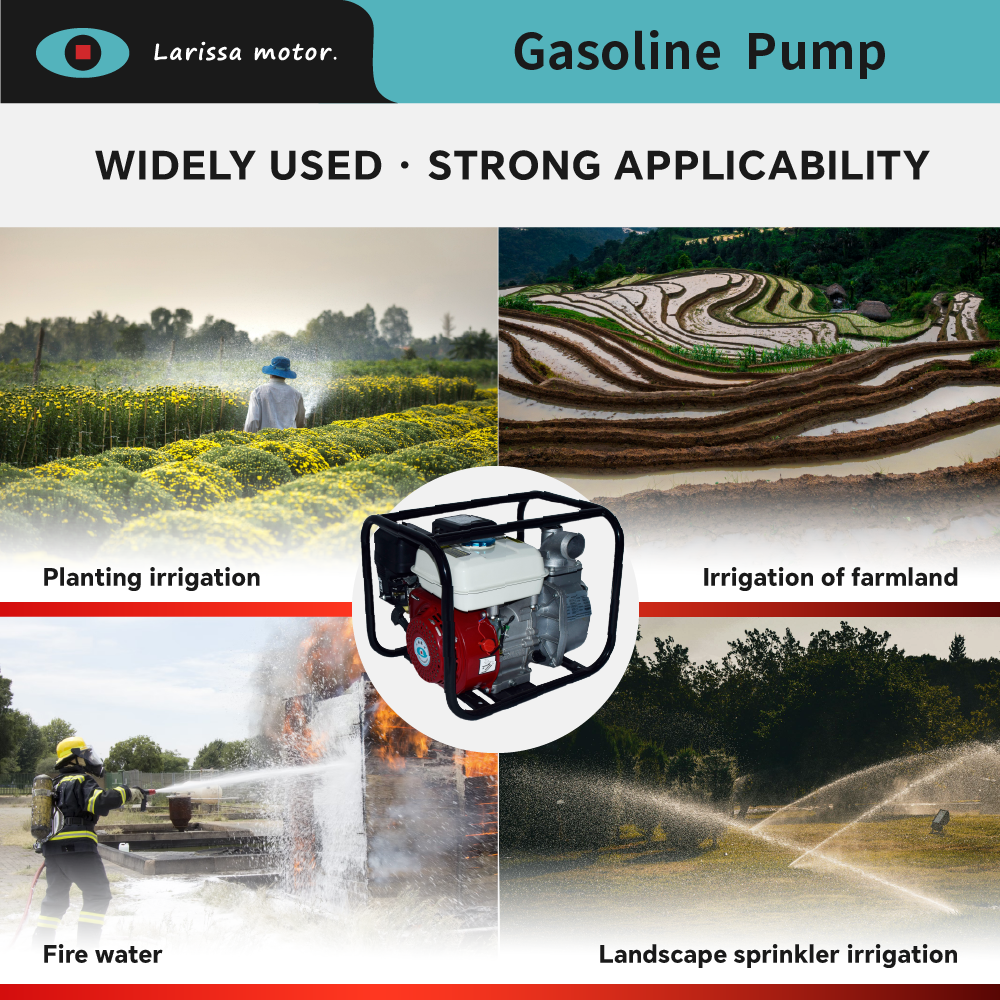
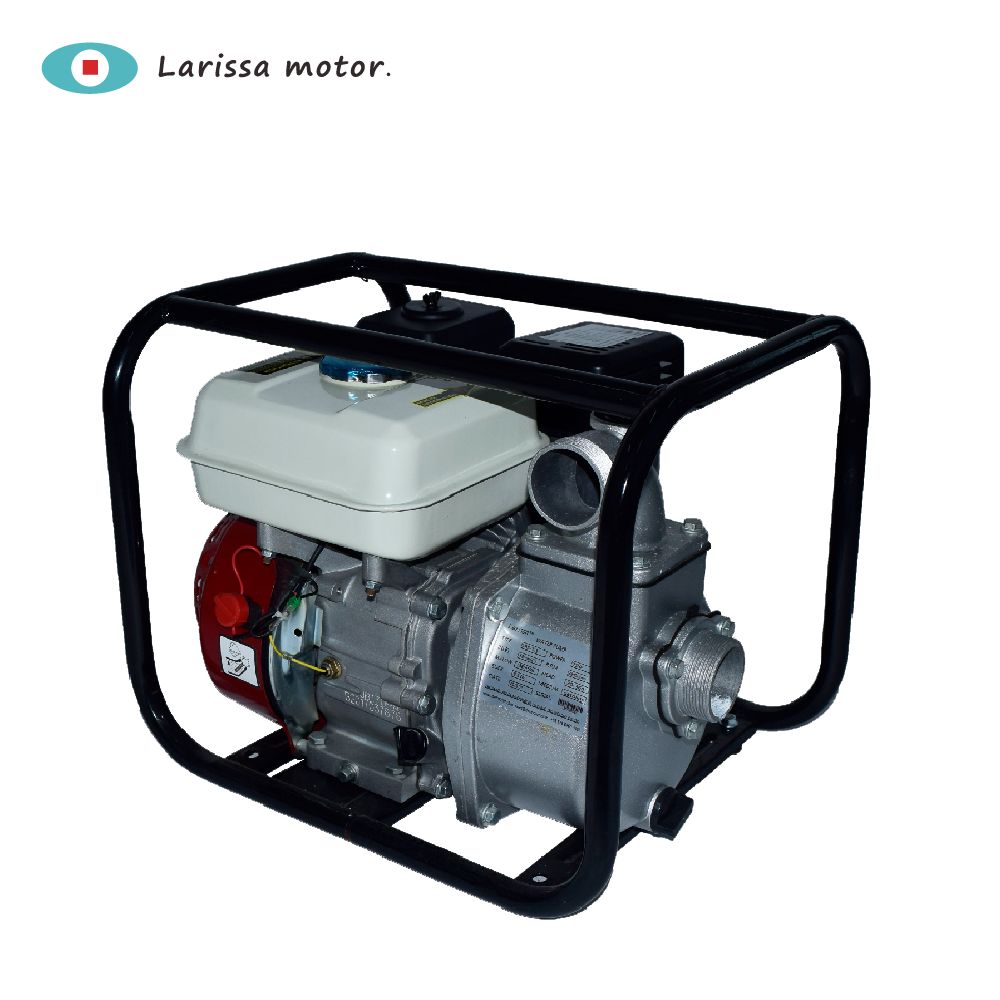
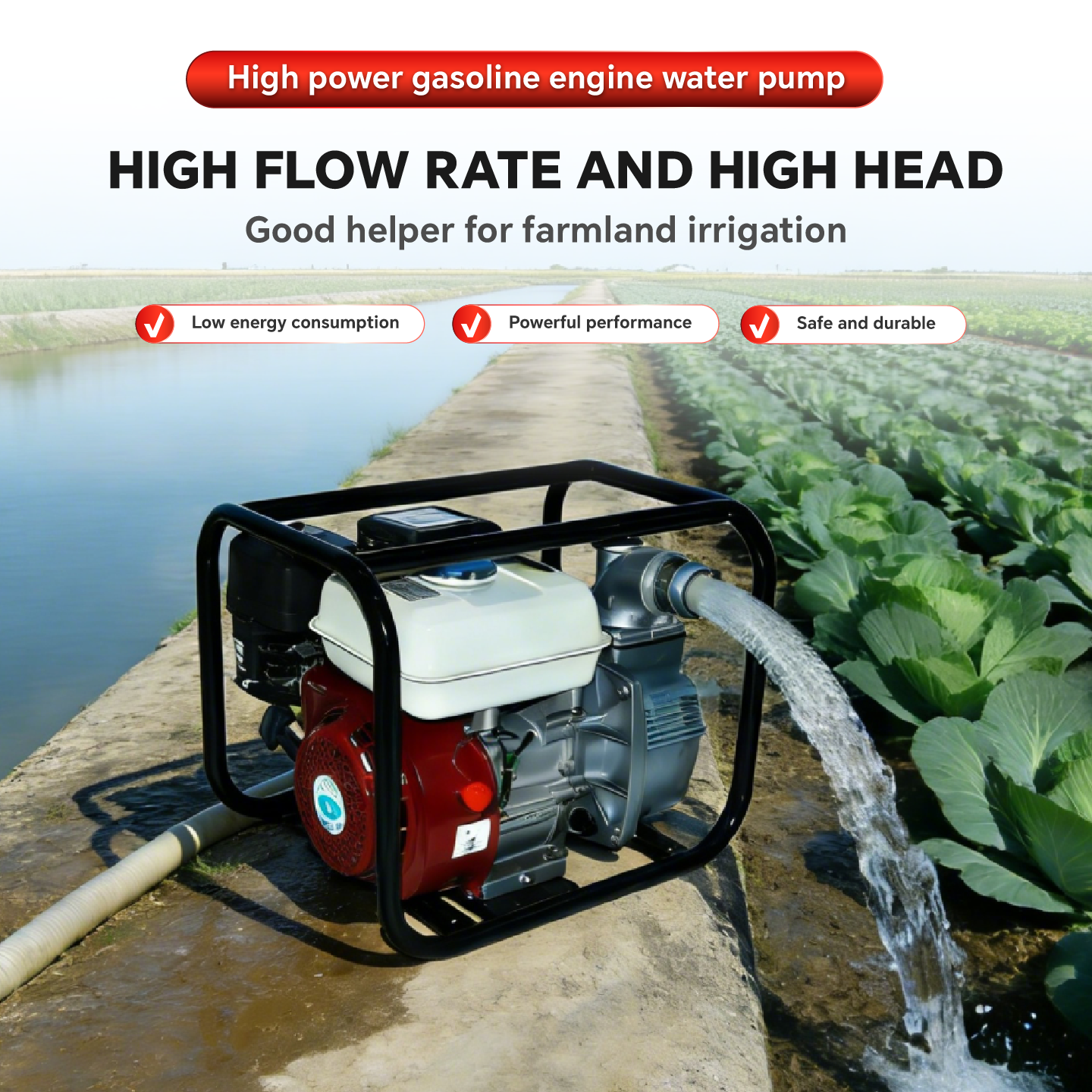
Gasoline water pumps are essential electromechanical devices widely used in various applications, including agriculture, construction, and emergency water removal. For purchasing managers, distributors, and other B2B buyers, understanding the specifications, quality, sourcing options, cost factors, and installation guidance for gasoline water pumps is crucial for making informed purchasing decisions. This article will cover these key areas, providing insights that will help you evaluate potential suppliers and select the right product for your needs.
Evaluating Quality and Performance of Gasoline Water Pumps
Quality is paramount when selecting gasoline water pumps, as it directly affects performance and longevity. Here are essential factors to consider:
Manufacturing Standards: Reliable manufacturers adhere to international quality standards, ensuring that their products undergo rigorous testing and quality control processes. Buyers should inquire about certifications and production practices to verify quality.
Durability and Reliability: Look for pumps designed for extended use in harsh conditions. This can include features like reinforced seals, vibration-resistant structures, and weatherproof designs. Understanding the average lifespan of the pump and its components can help assess reliability.
Performance Testing: Before finalizing a purchase, buyers should request performance data or test results to confirm that the pump meets specified flow rates and pressures under real operating conditions.
Warranty and Support: A robust warranty and responsive customer support indicate a manufacturer's confidence in their product quality. Buyers should ensure that the warranty covers critical components and that the manufacturer provides adequate after-sales support.
By focusing on these quality indicators, buyers can ensure they invest in gasoline water pumps that offer consistent performance and longevity.