Shower Pressure Pumps: Sourcing & Specifications

Get a Professional Sourcing Quote

Our pump experts will review your request and reply within 12 hours.
Choose Your Needs Optional Business Type
Customization Requirements Optional
Email
Name
Company Name & Website
Message
0/1000

pressure pump for shower

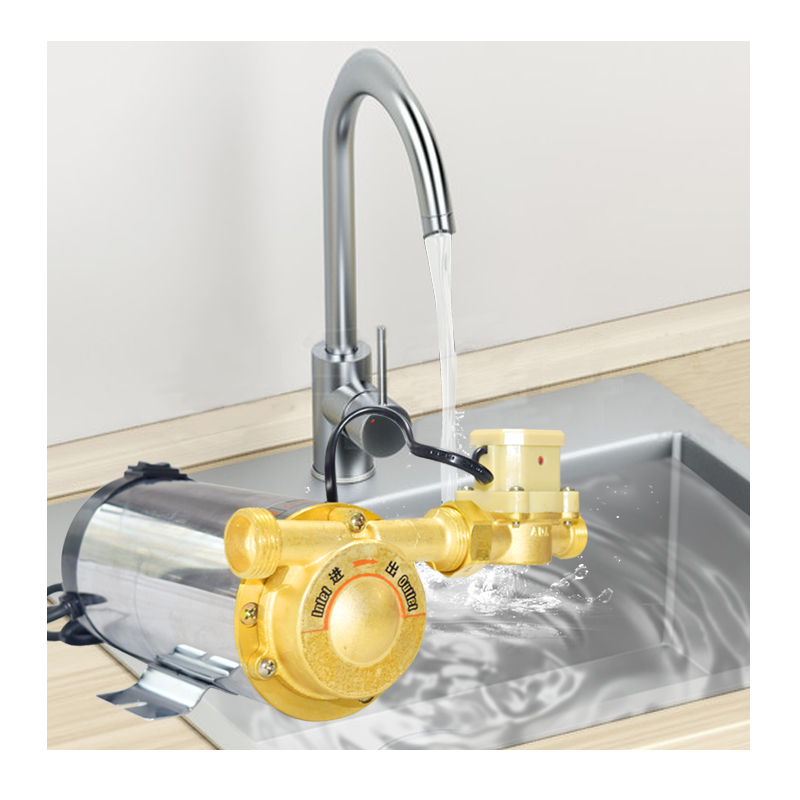
Pressure pumps  for showers  are  essential  components in enhancing water flow and pressure in bathroom systems.  In the  B2B sector, purchasing  managers,  engineers, and product managers need to ensure that  they select  the right pressure pump for their  specific applications. Key  considerations include  product specifications, supplier reliability, pricing structures, and common  operational issues.  This article aims to guide  you through the critical aspects of  sourcing and  evaluating  shower pressure pumps, helping you make informed purchasing  decisions.
Key Specifications to Consider for Shower Pressure Pumps

Key Specifications to Consider for Shower Pressure Pumps

When selecting a pressure pump for a shower, several  key specifications must be evaluated:

Flow Rate: This is the volume of water the pump can deliver over a specific period, usually measured in liters per minute (L/min). Ensure  that the  flow rate matches the demands of your shower system to maintain optimal performance.

Pressure Rating: The pressure  rating indicates the maximum pressure the pump can achieve. It is crucial to select a pump  that can deliver adequate pressure for a satisfying shower experience without causing damage to the piping  system.

Motor  Power: The power of the motor affects both the efficiency and performance of the pump. Typically measured in watts, a more powerful motor can handle higher demands but may also  require a  more robust electrical supply.

Materials: The construction  materials of the pump influence its durability and resistance  to corrosion, particularly in humid environments.  Common  materials include stainless steel and  high-grade  plastics,  which offer longevity and reliability.

Noise Level: In residential applications, noise can  be a concern. Look for pumps designed with noise reduction features to  ensure a quieter operation.

Understanding these specifications will help  you align the product with your application  requirements, ensuring that you avoid common pitfalls such as inadequate pressure or flow that could affect user experience.
Understanding the Pricing of Pressure Pumps

Understanding the Pricing of Pressure Pumps

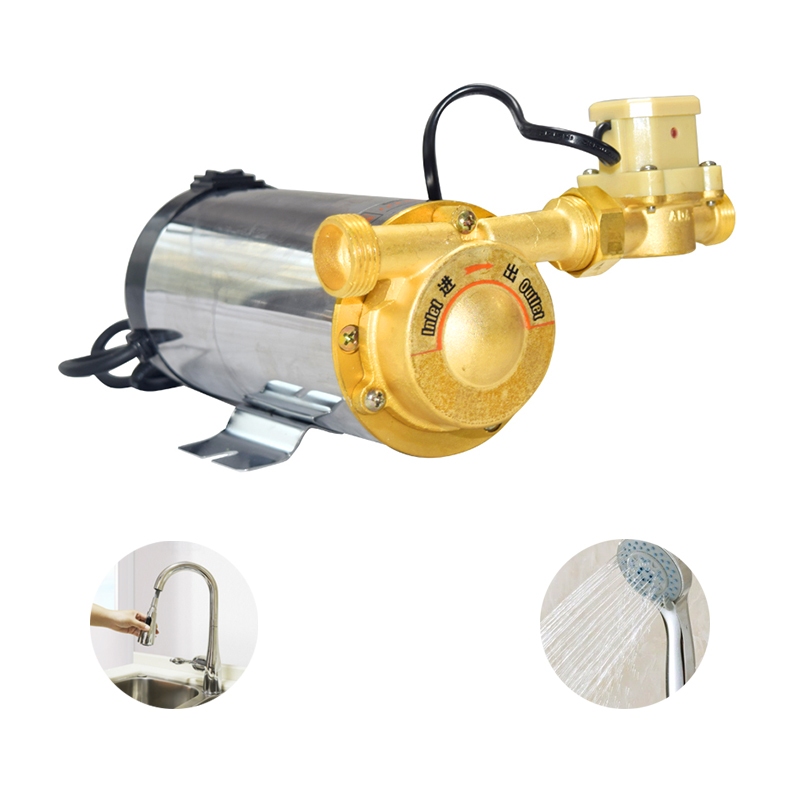
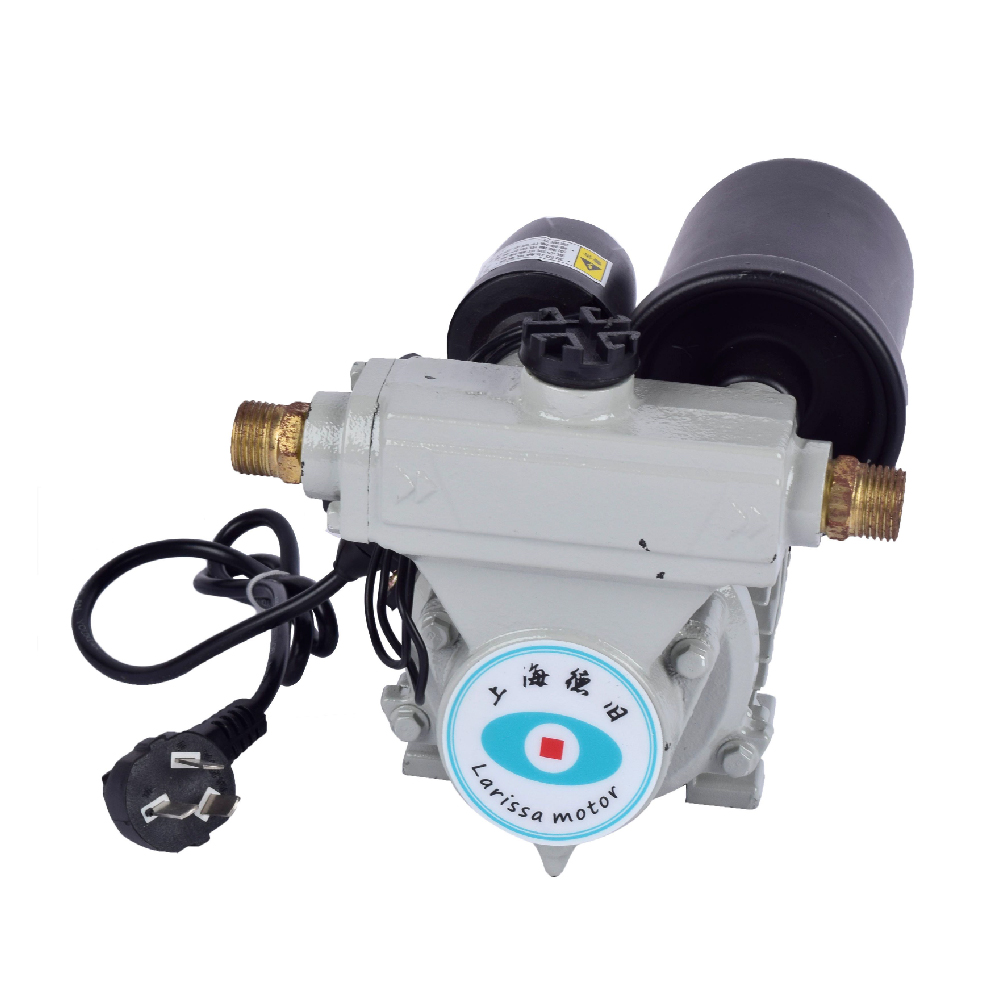
The pricing of shower pressure pumps  can vary  significantly  based on several factors,  including specifications, materials, and the  manufacturer’s reputation. Generally, higher-quality pumps with advanced features and durable materials come at a premium.

Buyers should be aware of  the total cost  of ownership, which  includes not just the  initial purchase price but also installation costs, maintenance, and potential energy consumption. A  lower upfront cost  may lead to  higher long-term expenses if the pump is less efficient or requires more frequent repairs.

When requesting quotations, provide  detailed  information about your  requirements, including expected flow  rates, pressure needs, and any  special features you may  require. This enables suppliers to offer  accurate  pricing tailored to your specifications.

Common Problems with Shower Pressure Pumps and Their Solutions

Common Problems with Shower Pressure Pumps and Their Solutions

Pressure  pumps can encounter various issues that may affect  their performance.  Here are some common problems and their potential solutions:

Low Water Pressure: This can occur if  the pump is undersized for the application. To address  this, it may  be necessary  to upgrade to a pump with a higher flow rate or pressure rating.

Cavitation: This happens when  the pump  does not receive sufficient water supply, leading to vapor bubbles forming and collapsing in the pump. Ensuring that the inlet is properly submerged and  free of blockages can help mitigate this issue.

Noise and Vibration: Excessive noise can be a sign of  misalignment or inadequate mounting. Ensure  that the pump is properly installed and  consider using dampeners to reduce vibrations.

Overheating: This may indicate a problem with the motor or  an insufficient cooling mechanism. Regular maintenance and ensuring that the pump  is operating  within  its specified limits can prevent overheating.

Understanding these potential issues  enables buyers to proactively address them,  minimizing downtime and enhancing system reliability.

Exploring the Advantages of Electromechanical Pressure Pumps

Electromechanical pressure  pumps offer several advantages over traditional hydraulic systems, particularly in terms of efficiency and performance. Here are some key benefits:

Energy Efficiency: Electromechanical pumps are often more energy-efficient than their hydraulic counterparts, leading to lower operational costs. Their precise control mechanisms allow for optimal energy use based on demand.

Compact  Design: These pumps typically have a  smaller footprint, making them ideal for installations where space is limited. Their compact nature  allows for easier integration into existing systems.

Customization Options: Manufacturers like Larissa Motor can provide customized solutions to meet specific application needs, from specialized materials to  unique operational parameters. This level of flexibility can enhance  system performance and efficiency. For example, if you need a pump specifically for wastewater applications, consider the Efficient Cutter Submersible Sewage Pump for Wastewater Treatment.

Reduced Maintenance: Electromechanical  pumps generally require less maintenance than hydraulic systems, as they have fewer moving parts and less exposure to wear and  tear.  This can lead to reduced downtime and lower maintenance  costs.

Enhanced Control: With advanced electronic controls,  these pumps can deliver precise pressure regulation and flow adjustment, improving user  experience  in shower applications.

By  understanding these advantages, purchasing managers and engineers can  make  informed decisions about integrating electromechanical pressure pumps into  their projects, ultimately leading to improved performance and  cost savings  over time.

Sourcing Reliable Suppliers for Your Needs

When sourcing pressure  pumps for showers, reliability is paramount. Buyers should prioritize manufacturers with a proven history of quality and performance. Look for suppliers that have been in  the industry for several years,  such as Larissa  Motor, which has  been producing  electromechanical products since 1998. Established  manufacturers often have robust quality control processes and certifications that ensure their products meet international standards.

Additionally, consider  the supplier’s customization  capabilities. A manufacturer that can tailor  products to  meet specific requirements—such  as size, material, and performance characteristics—can significantly enhance your operational  efficiency. When evaluating suppliers, ask about their  production processes,  lead times, and quality assurance protocols.  It’s  also  beneficial  to request references or case studies  that demonstrate their experience in your particular application. For instance, if you're looking for pumps that are effective for agricultural purposes, you might want to explore options such as the DC CPM Centrifugal Water Pump for Solar Irrigation & Agricultural Water Transfer.

Get a Professional Sourcing Quote

Our pump experts will review your request and reply within 12 hours.
Choose Your Needs Optional Business Type
Customization Requirements Optional
Email
Name
Company Name & Website
Message
0/1000

Related product categories