EN
EN
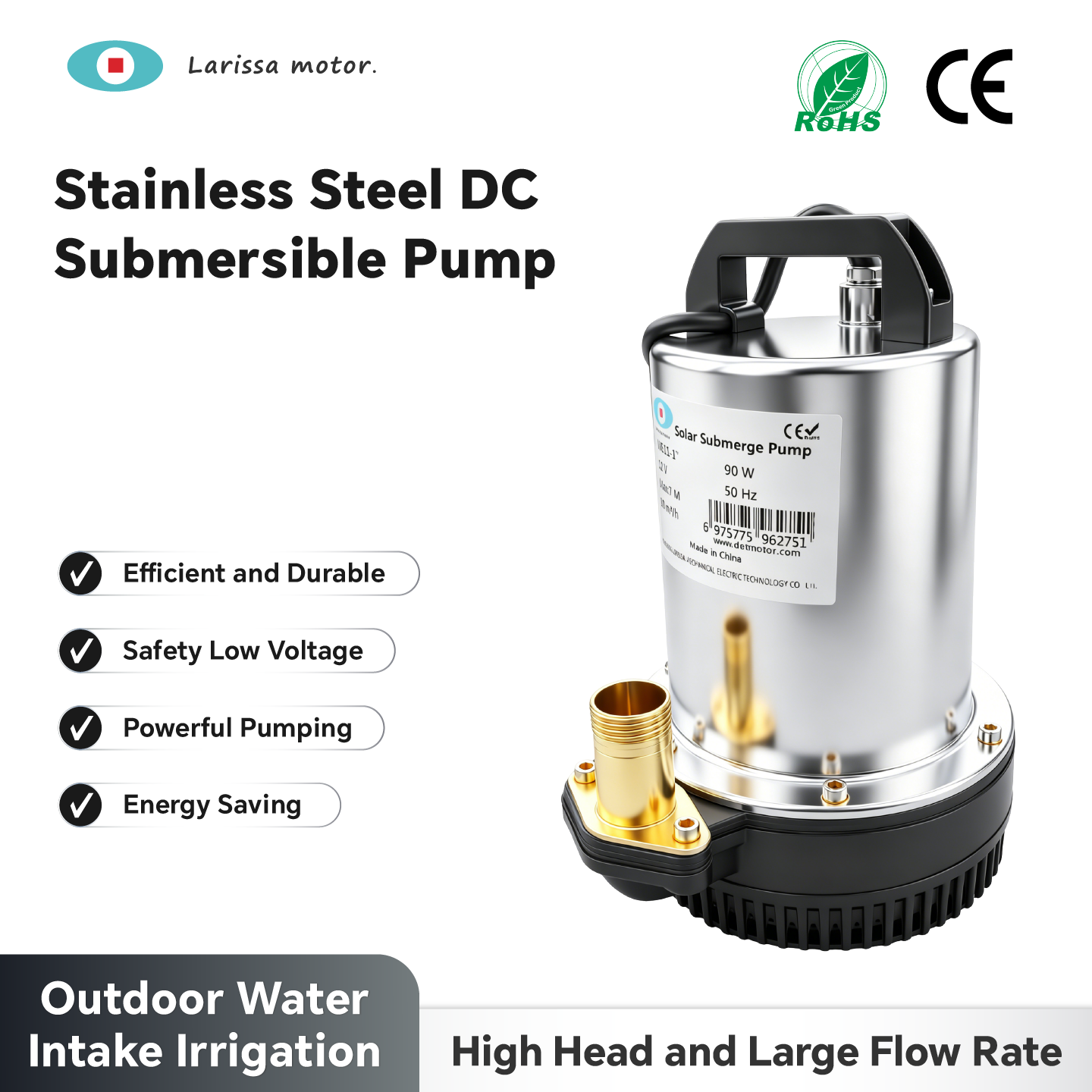
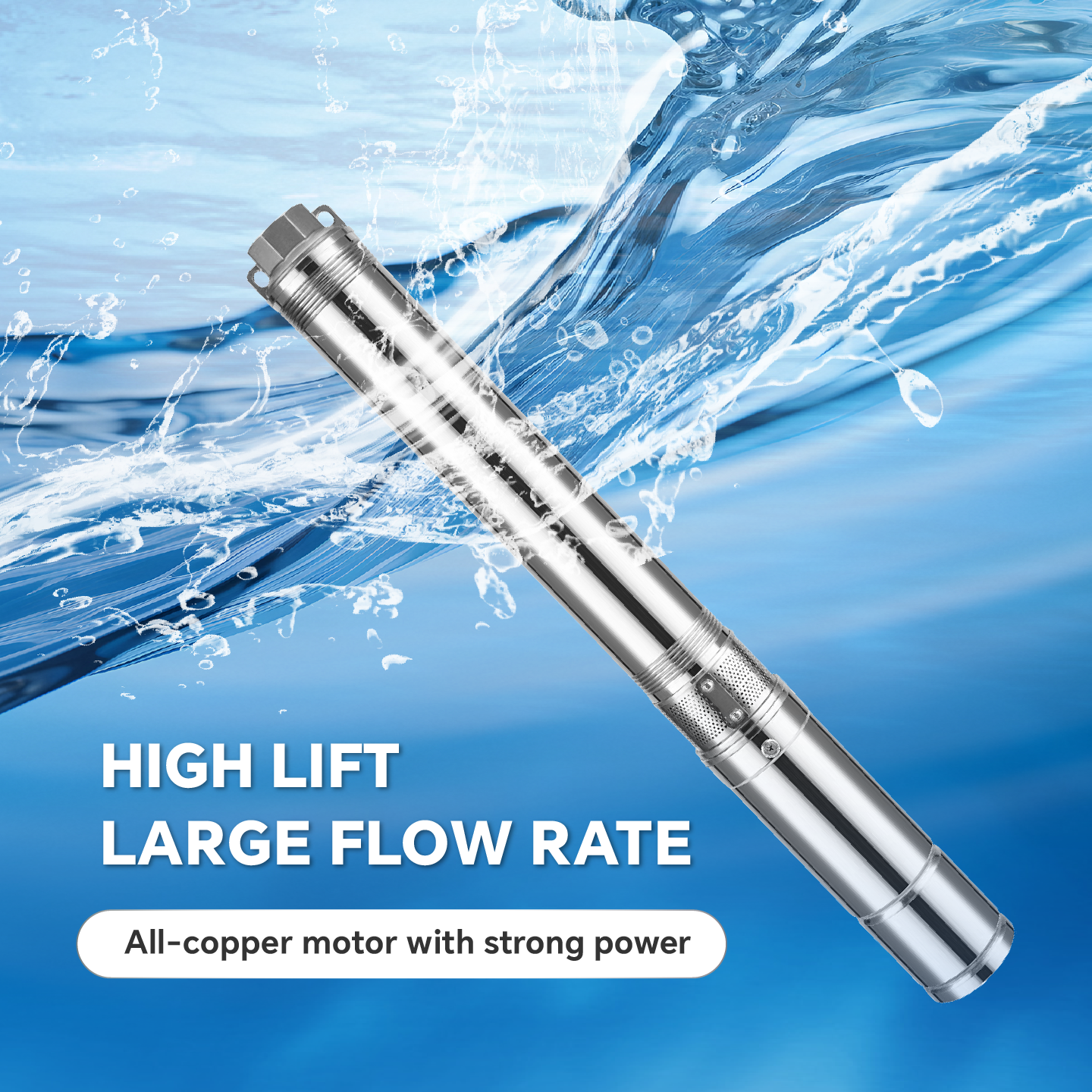
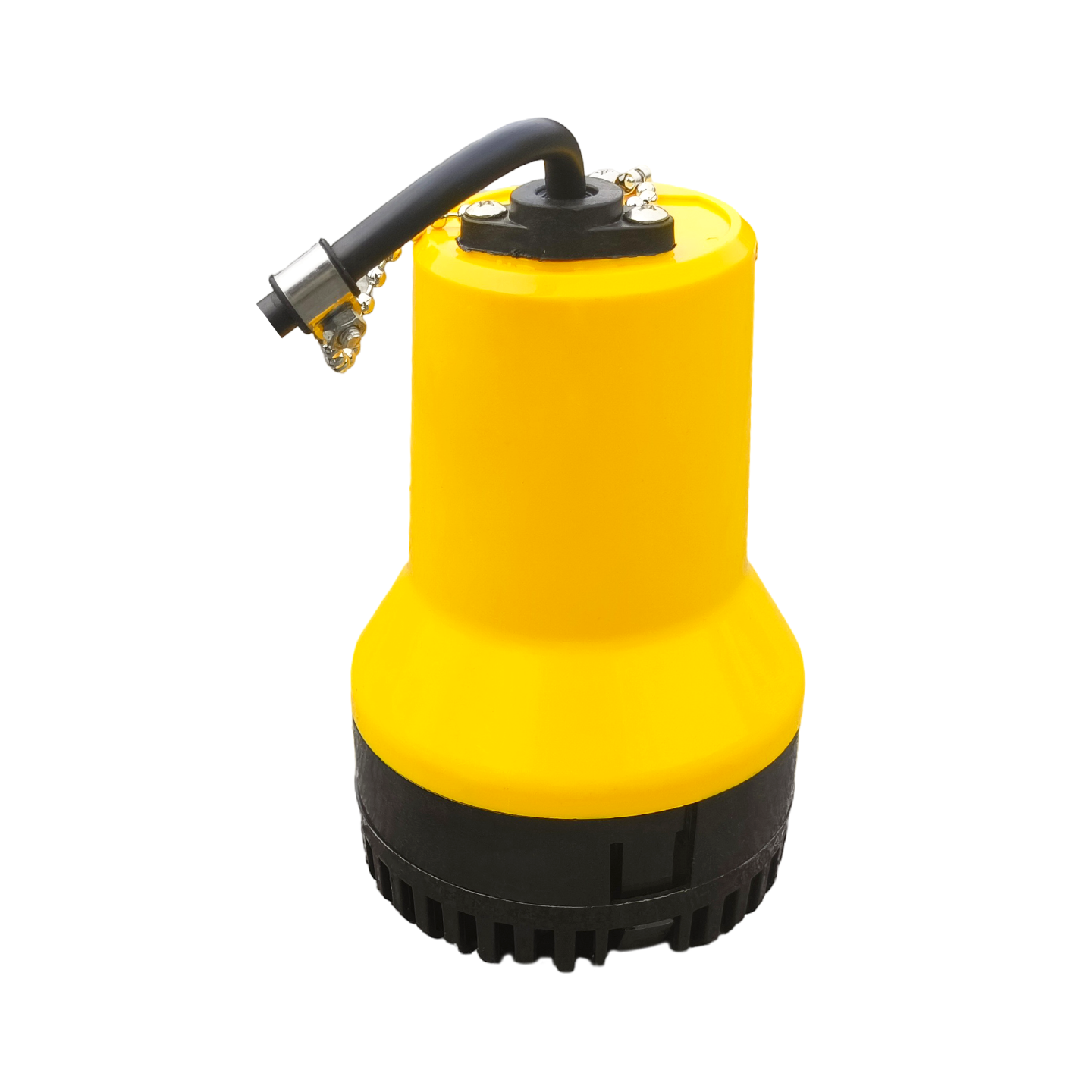
Submersible DC motors are essential components in various applications, particularly in scenarios where durability and efficiency are paramount. These motors are designed to operate submerged in water or other fluids, making them ideal for use in pumps, aquaculture, and wastewater treatment. B2B buyers often seek reliable performance, customization options, and compliance with international standards when evaluating submersible DC motors. This article will guide you through key specifications, selection criteria, installation challenges, and the advantages of partnering with Larissa Motor.
How to Choose the Right Submersible DC Motor for Your Projec
Selecting the right submersible DC motor involves several considerations that align with your project's specific requirements:
Application Requirements: Define the application context—whether it's for a pump, an aquarium, or a wastewater treatment facility. Each application may have unique demands regarding speed, torque, and operating conditions.
Power and Voltage Needs: Assess the power requirements of your application. A mismatch in voltage can lead to inefficiency or failure. Ensure that the motor's power rating meets or exceeds your application's demands.
Operating Environment: Consider the conditions in which the motor will operate. Factors such as temperature, chemical exposure, and potential debris in the water can influence both material selection and motor design.
Space Constraints: Measure the available installation space. The motor's size and mounting configuration must fit the designated area while maintaining optimal performance.
Future Scalability: If you anticipate future expansion or increased demand, consider choosing a motor that can accommodate higher loads or additional features, such as speed control or integrated monitoring systems.
By carefully evaluating these factors, you can make informed decisions that enhance the efficiency and reliability of your operation.