Submersible Sewage Pumps for Efficient Waste Management

Get a Professional Sourcing Quote

Our pump experts will review your request and reply within 12 hours.
Choose Your Needs Optional Business Type
Customization Requirements Optional
Email
Name
Company Name & Website
Message
0/1000

submersible sewage pump

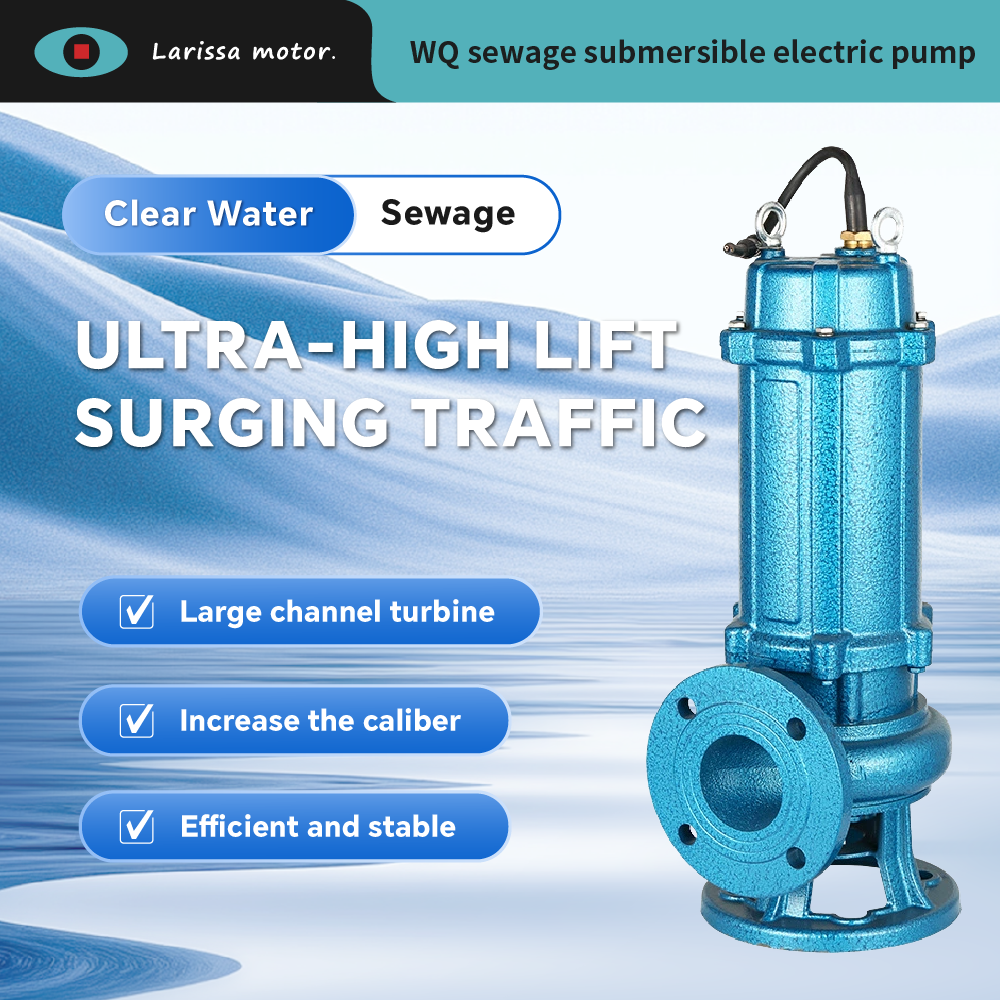
Submersible  sewage pumps are critical components  in wastewater management systems, designed to  efficiently handle sewage and effluent  in various industrial  and  commercial applications. For B2B buyers,  understanding the specifications, sourcing options,  installation  challenges,  material advantages, and expert insights is  essential  for making  informed  purchasing  decisions.  This article will delve into  these aspects, helping  purchasing managers, distributors, and engineers navigate the complexities of  submersible sewage pumps.
 
Where to Source Reliable Submersible Sewage Pumps for Bulk Orders

Where to Source Reliable Submersible Sewage Pumps for Bulk Orders

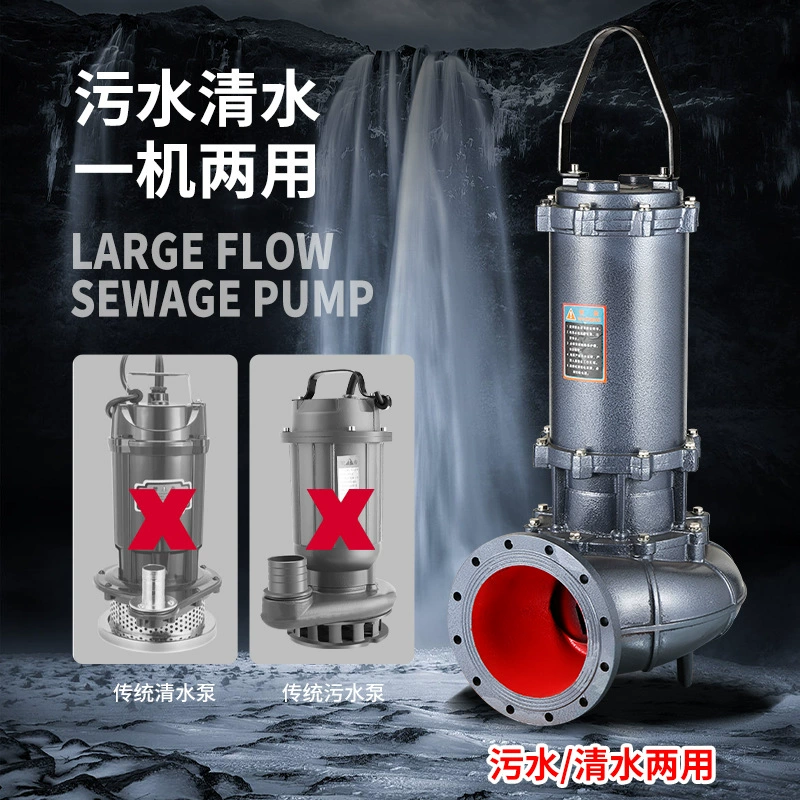
Sourcing high-quality submersible sewage pumps requires identifying  reputable manufacturers and  understanding their production capabilities. Companies like  Larissa Motor, which has been in  the electromechanical products industry since 1998,  can be ideal partners. They offer advanced design and customization options tailored  to meet international standards,  making them suitable for various applications in global markets.


When exploring suppliers, buyers  should assess their certifications, such as ISO standards, which can indicate compliance  with quality management systems.  Additionally, examining the manufacturer’s production capabilities, such as in-house development and quality control processes, is  vital. Engaging with suppliers who have  a proven track record in delivering reliable products  can minimize the risk of defects or  performance failures.

Buyers should also inquire about minimum order quantities (MOQs) and lead  times to ensure that they can  meet their  operational timelines without incurring excessive costs or delays. Establishing a strong relationship with a reliable  supplier can facilitate better pricing and support in future procurement efforts.
 
Common Installation Challenges for Submersible Sewage Pumps and Solutions

Common Installation Challenges for Submersible Sewage Pumps and Solutions

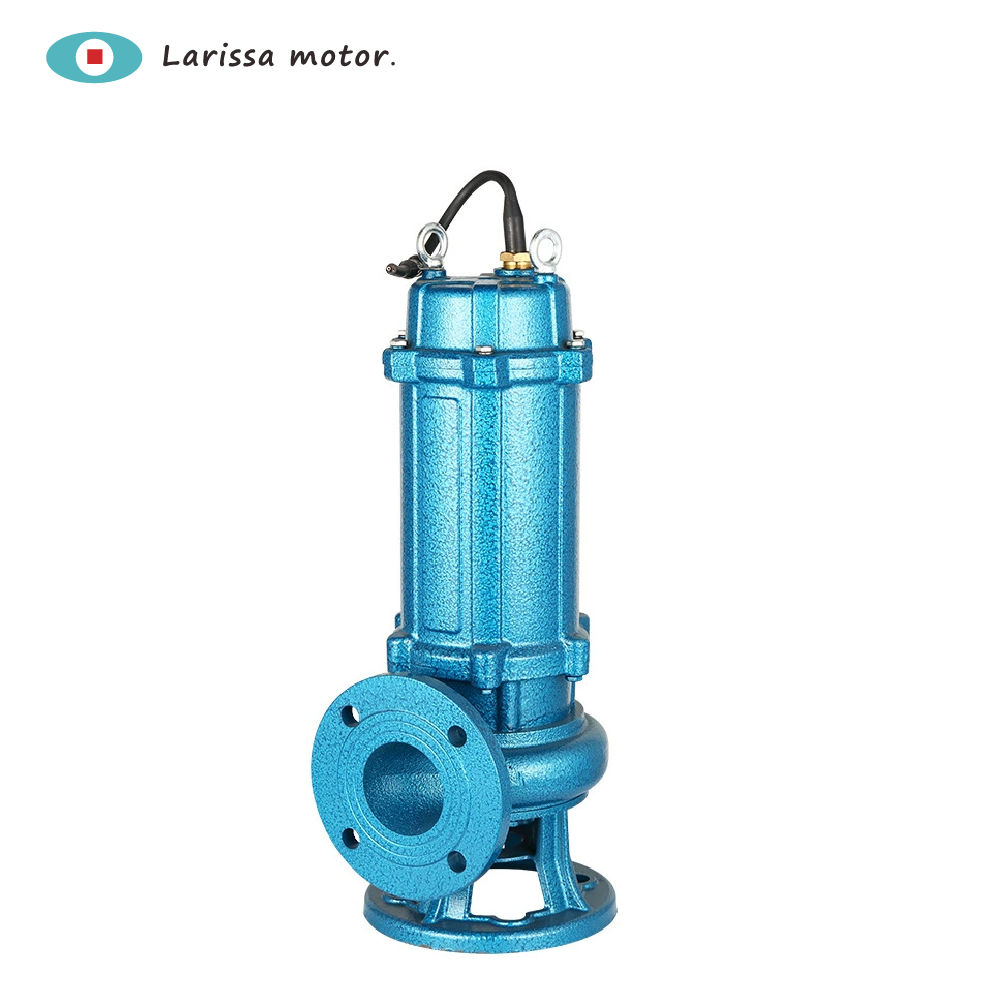
Installing  submersible sewage pumps can present various challenges that, if not addressed, may lead to operational issues. One common challenge is ensuring proper alignment during  installation. Pumps must  be positioned  correctly to avoid excessive vibration,  which can lead to premature  wear and failure. It is advisable to conduct a thorough inspection of the installation site and ensure that the pump is level and securely mounted.

Another  issue is the risk of clogging due to the  presence of solids in sewage. To  mitigate this risk, buyers should consider  pumps with a robust design that includes features  like a large  inlet or a grinder system that  can effectively handle solids, minimizing downtime for maintenance. Self-priming & Surface Pumps are designed to offer such features.

Additionally, electrical connections must be installed  following local regulations to ensure safety and  compliance. Engaging with professional installers or consulting with the manufacturer for installation guidelines can help  streamline the  process  and  reduce the likelihood of future  problems.

Material Advantages of Submersible Sewage Pumps for Long-Term Use

Material Advantages of Submersible Sewage Pumps for Long-Term Use

The materials used in submersible sewage pumps significantly impact their longevity and performance.  Pumps constructed from corrosion-resistant materials, such as stainless steel or specialized polymers, can withstand the  harsh  conditions typically  found  in  wastewater applications. These  materials not only enhance durability but also  reduce the likelihood of rust and degradation, which can lead to leaks and operational failures.

Another important consideration is the pump's motor housing material. High-quality materials can protect the motor from moisture and contaminants, further extending the pump's operational life. Additionally, the use of advanced coatings can improve resistance  to abrasion and chemical exposure,  thereby enhancing performance in demanding  environments.

Ultimately, selecting pumps made from high-quality materials  ensures reliability  and reduces the  frequency and  cost of replacements or repairs,  making them  a  wise investment for any organization involved  in  wastewater management.

Expert Insights on Sourcing Submersible Sewage Pumps for Distributors

For distributors looking to source submersible sewage pumps, it is crucial to consider both  the technical  specifications and market demand. Understanding the  specific  needs of end-users—such as the types of applications  they will serve—can inform purchasing decisions. Collaborating with manufacturers like Larissa Motor, known  for their customization capabilities, allows distributors to offer tailored solutions that meet diverse customer requirements.

Furthermore, it is beneficial to  stay informed about industry trends and emerging technologies that may affect  pump design and functionality.  Engaging  with suppliers who invest in research and development can provide  distributors with access to innovative products, enhancing their competitive edge in the marketplace.

Distributors should also  evaluate the after-sales support provided by manufacturers, as this can greatly impact customer satisfaction and loyalty. Reliable technical support and warranty services can differentiate a  distributor in  the  eyes of potential clients, reinforcing  their reputation as  a trusted supplier.

By focusing on  these aspects, distributors can make strategic sourcing decisions that align  with market needs and enhance their business offerings in the industrial and commercial sectors.


Understanding Submersible Sewage Pump Specifications for Wholesale Buyers

When evaluating submersible sewage  pumps, several key specifications should be taken into account. The horsepower (HP)  rating  determines the pump's ability to handle various flow rates and head heights, impacting its  efficiency in moving  sewage effectively. A pump's maximum flow  rate, typically measured in gallons per minute (GPM), is crucial  for  ensuring it meets the  demands  of the application. For industrial applications, pumps like Industrial Water Pumps can be particularly effective.

The  construction material  of the pump is essential for durability and performance. Pumps made from stainless steel or high-grade thermoplastic resist corrosion and wear, making them suitable for harsh environments. Additionally, the design of  the impeller  can significantly  affect the pump's efficiency and ability to handle solids; options  include single-channel, vortex, or multi-vane designs.

Buyers should also consider  the pump's sealing mechanism, often achieved through  mechanical seals or lip  seals, which play a critical role in preventing leaks and ensuring long-term operation. Understanding  these specifications allows buyers to select pumps that will perform reliably in their specific applications.

Get a Professional Sourcing Quote

Our pump experts will review your request and reply within 12 hours.
Choose Your Needs Optional Business Type
Customization Requirements Optional
Email
Name
Company Name & Website
Message
0/1000

Related product categories