 EN
EN
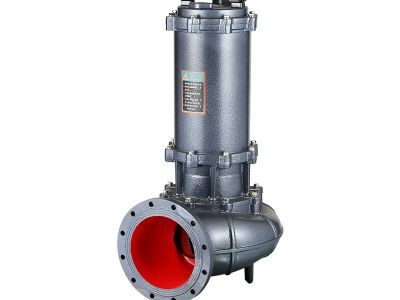
Choosing the right sewage pump for heavy-duty applications is critical for ensuring efficient waste management in various industrial settings. This article explores what sewage pump manufacturers consider for heavy-duty applications, addressing key buyer concerns like performance, compatibility, and maintenance. By understanding these factors, purchasing managers and engineers can make informed decisions that align with their operational needs.
What to Consider When Choosing Sewage Pumps for Heavy-Duty Applications?
When selecting a sewage pump for heavy-duty applications, several critical factors come into play. First, the pumps capacity must match the anticipated flow rate, which is influenced by the volume of sewage and the potential for solids in the fluid. Manufacturers often recommend pumps with higher horsepower for environments where heavy solids are expected, ensuring reliable operation without risk of clogging. Another essential consideration is the material construction of the pump. Heavy-duty pumps are typically made from corrosion-resistant materials such as stainless steel or cast iron to withstand harsh environments. The choice of material directly impacts the pumps longevity and maintenance requirements. For instance, pumps designed for chemical exposure should feature specialized coatings or materials that resist degradation. Customization options are also crucial. Many manufacturers like Larissa Motor, offer tailored solutions that meet specific application requirements, including dimensions, performance specifications, and power sources. This level of customization helps ensure that the pump integrates seamlessly into existing systems, reducing installation time and potential operational disruptions.
Comparing Sewage Pump Performance in Various Industrial Applications
Sewage pumps vary in performance based on their design and intended application. In industrial wastewater treatment facilities, for example, performance metrics such as flow rate, total dynamic head, and efficiency are paramount. Pumps used in these environments may require higher flow rates and robust construction to handle fluctuating loads and abrasive materials. In contrast, municipal applications often prioritize energy efficiency and reliability. Here, submersible pumps are commonly employed due to their ability to operate underwater and minimize noise pollution. The selection of a pump for municipal use should focus on long-term operational costs, including energy consumption, maintenance schedules, and potential downtime. When comparing pumps across applications, it’s vital to analyze their specifications. For instance, a pump's performance curve will illustrate its efficiency at various flow rates, helping buyers identify the optimal operating range for their needs. Buyers should also be aware of the pump's compatibility with existing systems, including control mechanisms and power supply.
Common Problems with Heavy-Duty Sewage Pumps and Their Solutions
Heavy-duty sewage pumps can encounter several common issues that may hinder performance. One frequent problem is clogging, often caused by large solids or fibrous materials that can obstruct the impeller. To mitigate this, manufacturers recommend using pumps with larger inlet diameters or those equipped with open impellers designed to handle more substantial debris. Another issue is wear and tear on mechanical seals, which can lead to leaks. Regular maintenance is crucial to extend the lifespan of the pump. This includes routine inspections and replacing seals as part of a preventative maintenance program. Buyers should look for sewage ejector pump with easily accessible components to facilitate maintenance without extensive downtime. Vibration and noise are also common concerns in heavy-duty applications, which can indicate misalignment or wear in the motor or bearings. Solutions may include installing vibration dampeners or selecting pumps specifically designed for quiet operation. Engaging with manufacturers to discuss these potential issues can lead to tailored solutions that enhance pump reliability and performance.
Installation Guidelines for Efficient Heavy-Duty Sewage Pump Systems
Proper installation is vital for the effective operation of heavy-duty sewage pump systems. Before installation, it’s essential to assess the site for potential environmental factors such as temperature variations, chemical exposure, and moisture levels. These factors can influence the selection of materials and pump design. The pump should be installed at the correct elevation to ensure optimal suction. This typically means positioning the pump below the source of the sewage pump to facilitate gravity flow into the intake. Additionally, ensuring proper alignment with the discharge pipe is crucial to prevent undue stress on the pump and minimize the risk of leaks. After installation, performing a thorough system test is necessary to confirm that all components function correctly under actual operating conditions. Buyers should ensure that they receive comprehensive installation instructions from the manufacturer, which may include diagrams and troubleshooting tips for common issues encountered during setup.
Understanding Material Advantages in Heavy-Duty Sewage Pump Design
The materials used in heavy-duty sewage pump design play a significant role in performance and durability. Cast iron is a common choice due to its strength and cost-effectiveness, making it suitable for many applications. However, it may be prone to corrosion in aggressive environments, prompting some manufacturers to offer pumps made from stainless steel or specialized alloys. Plastic components, such as thermoplastics, are also gaining popularity in specific applications where chemical resistance is paramount. These materials can offer significant weight savings and corrosion resistance, reducing the overall maintenance burden. Understanding the material properties is essential for buyers, as different materials will have varying resistance to wear, corrosion, and thermal stress. It is advisable to consult with manufacturers regarding the suitability of materials for particular applications, especially when dealing with aggressive chemicals or extreme temperatures. making an informed decision on pump sewage tank for heavy-duty applications requires a careful evaluation of performance metrics, material properties, and installation requirements. By considering these factors, purchasing managers can ensure the reliability and efficiency of their sewage management systems, ultimately leading to smoother operations and reduced downtime.
Table of Contents
- What to Consider When Choosing Sewage Pumps for Heavy-Duty Applications?
- Comparing Sewage Pump Performance in Various Industrial Applications
- Common Problems with Heavy-Duty Sewage Pumps and Their Solutions
- Installation Guidelines for Efficient Heavy-Duty Sewage Pump Systems
- Understanding Material Advantages in Heavy-Duty Sewage Pump Design