
Choosing the Right Solar Powered Pool Pump

Get a Professional Sourcing Quote

Our pump experts will review your request and reply within 12 hours.
Choose Your Needs Optional Business Type
Customization Requirements Optional
Email
Name
Company Name & Website
Message
0/1000

solar powered pool pump

Solar powered pool pumps are  innovative solutions designed to enhance pool management while minimizing energy costs.  These pumps  harness solar energy to  circulate and filter pool  water, making them an eco-friendly choice  for both residential  and commercial applications. For purchasing managers and  engineers, understanding the  specifications and  functionality  of these pumps  is crucial to ensure  they meet  operational requirements.  This article will guide you through essential aspects of  solar  powered pool pumps, helping  you make informed purchasing  decisions.
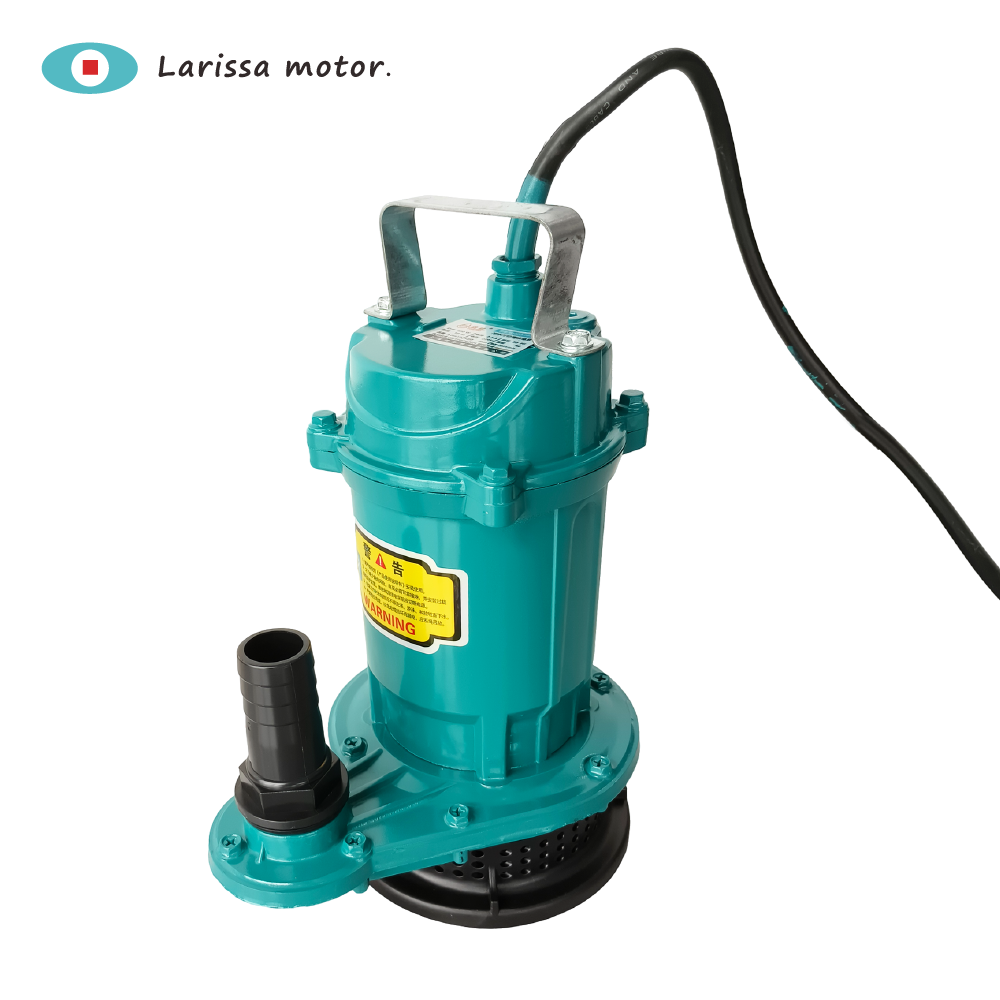
 
How to Choose the Right Solar Powered Pool Pump for Your Projec

How to Choose the Right Solar Powered Pool Pump for Your Projec

Selecting the right solar powered pool pump requires a comprehensive assessment of project requirements.

Pool Size and Type: For residential  pools, smaller pumps  may suffice, while larger commercial pools may require multi-stage  pumps. Consider the pool’s surface area  and depth to determine the appropriate pump size.

Intended Use: Different applications may require different pump capabilities. For example, if the  pool will be used for recreational swimming, a continuous  circulation system may be best, while a pool primarily for aesthetic purposes may need less frequent circulation.

Location and Solar Exposure: Evaluate the location  of the solar panels in relation to potential obstructions like trees or  buildings, which can limit sun exposure. The  pump should be capable of operating efficiently even under  variable solar conditions.


Customization Options: Many  manufacturers,  like Larissa Motor, offer  customization options to suit  specific project needs. Discuss these options with  suppliers to  ensure the pump meets  your unique  requirements.

By considering these factors, buyers can choose a solar powered pool pump that optimally fits their needs and  maximizes efficiency. For additional options, you may want to check our range of Industrial Water Pumps.
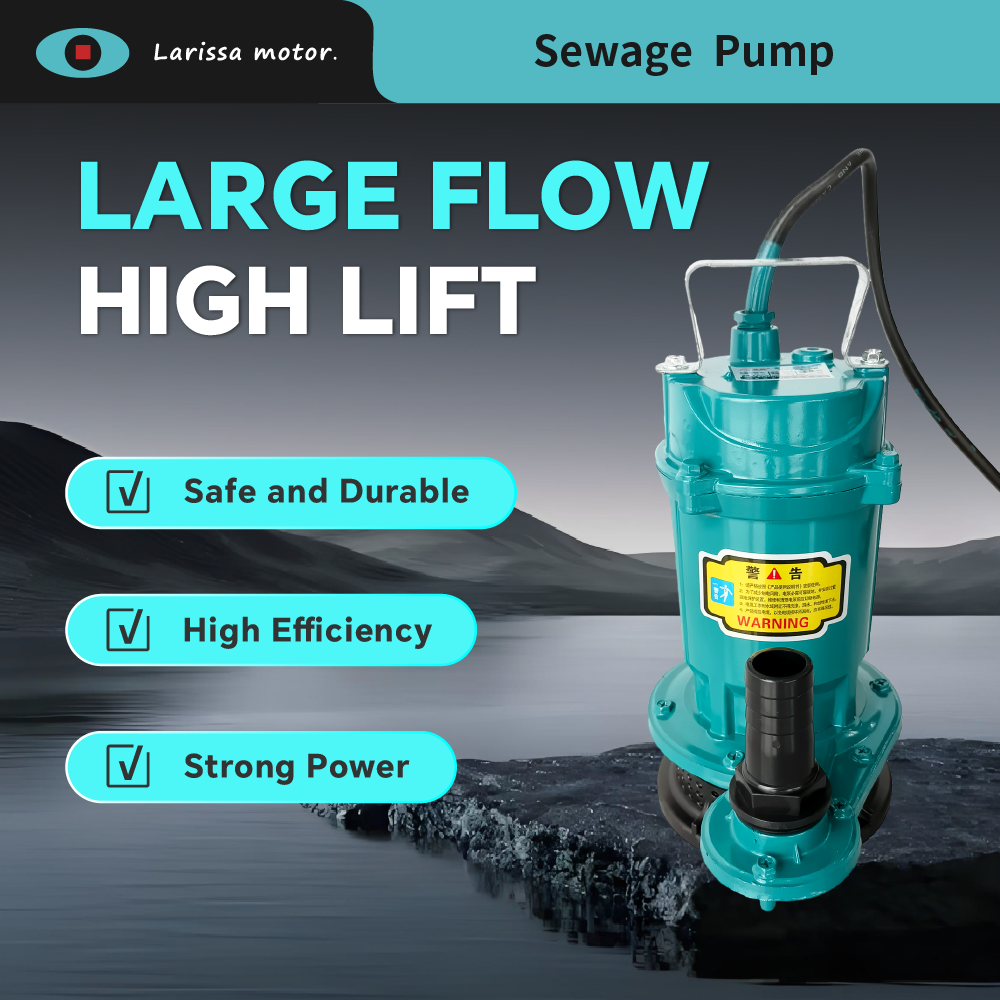
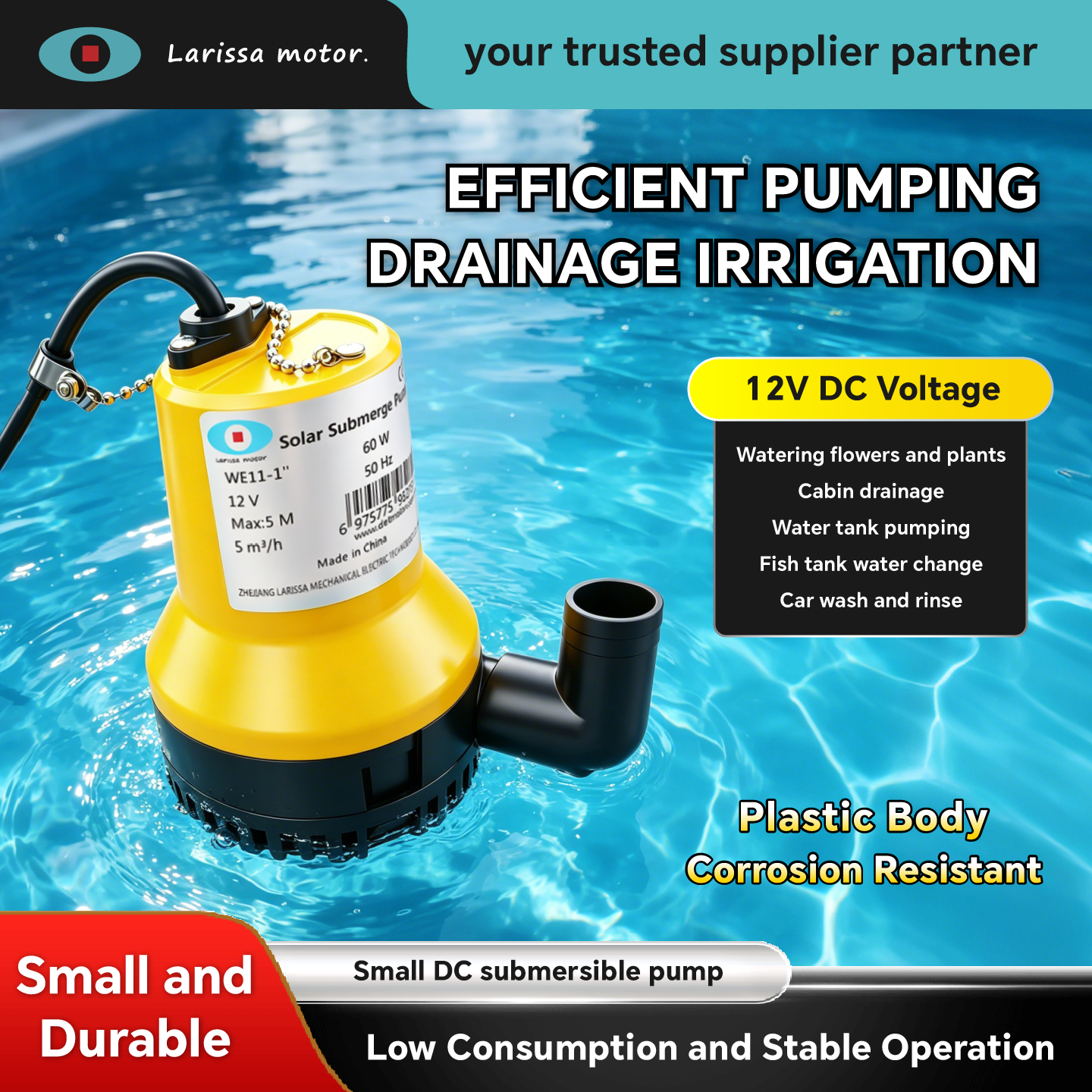
What to Look for in Solar Powered Pool Pumps

What to Look for in Solar Powered Pool Pumps

When assessing solar powered pool pumps, several features should be prioritized  to ensure reliability  and performance:

Durability: Look for pumps made from high-quality materials that can withstand environmental conditions, such as  UV exposure and moisture. Stainless steel or  UV-resistant plastics are  good choices for longevity.

Ease  of Installation: A pump that is straightforward to install can save time and labor costs.  Check for clear installation guidelines  and whether the pump  comes with all necessary  fittings and accessories.

Control Features: Advanced control features, such  as  timers and  variable speed settings, can  enhance efficiency and user convenience. These allow for more precise operation according  to  pool  usage patterns.

Warranty and Support: Consider the manufacturer's warranty and customer service  reputation. A robust warranty can provide peace of mind, ensuring support in case of any defects or operational issues.


By focusing on  these critical features, buyers can select pumps that offer both performance and reliability.

Key Considerations

Key Considerations

Several key considerations can impact the performance  and suitability of solar powered pool pumps:

Maintenance Needs: Regular maintenance is  essential for  optimal performance. Buyers should inquire about the maintenance requirements, including filter cleaning and pump inspections.


Compatibility with Existing Systems: If integrating  with existing pool  systems,  ensure  the new  pump is compatible in terms of size and  plumbing layout. This helps avoid costly retrofits or inefficiencies.

Performance  in Variable Conditions: Solar energy availability can fluctuate. Choose a pump  capable of functioning effectively under varying  solar conditions, or consider hybrid  systems that  can switch  to grid  power when necessary.

By addressing these considerations early in  the  purchasing process, buyers can prevent potential issues  post-installation.

Common Problems with Solar Powered Pool Pumps and Their Solutions

Despite their advantages, solar  powered pool  pumps can encounter some common issues. Understanding these problems  and their solutions  can enhance buyer confidence:

Insufficient Power Generation: If the solar panels do not generate enough power, it can  lead to underperformance. Ensure the panels are installed in optimal  locations with maximum sunlight exposure. Regular  cleaning of the panels can also improve efficiency.

Pump Overheating: Extended operation under high  temperatures can cause overheating, leading to pump failures. Opt  for pumps designed with thermal  protection features, which  can automatically shut off to prevent damage.

Clogged Filters: Regular maintenance is crucial to prevent clogging, which can restrict flow and damage  the pump. Establish a routine cleaning schedule based  on pool usage and debris  levels.

Incompatibility  with Pool Systems: Ensure the selected pump is compatible with the pool's existing filtration and circulation systems. This may involve consulting with engineers or discussing specifications with the manufacturer to confirm compatibility.

By being aware of these potential issues and implementing appropriate solutions, buyers can ensure their solar powered pool pumps operate optimally and  efficiently.

This comprehensive  understanding of solar powered pool pumps will empower purchasing managers and engineers  to make informed  decisions that align with their  specific needs and project goals.

Understanding Specifications for Solar Powered Pool Pumps

When evaluating solar powered pool pumps, specific  technical specifications are critical. Key parameters include flow rate, head height, and energy consumption.

Flow Rate: Measured in gallons per minute  (GPM), this indicates how quickly the pump can circulate pool water. A higher flow rate is essential for larger pools to maintain  water clarity and hygiene. Buyers should calculate their  pool  volume and  consider the recommended flow rates for effective filtration.

Head  Height: This refers  to the vertical distance the pump can lift water. A pump with insufficient head height may struggle to circulate water effectively, particularly in pools with elevated features. Assess the total dynamic head (TDH) required for  your setup to ensure compatibility.

Energy Consumption: Solar  powered pumps are designed for energy efficiency. Look for models that maximize solar panel output to reduce  reliance on grid power.  This not only lowers  operational costs but  also extends the pump's lifespan by  minimizing wear and tear. If you are interested in exploring options for solar efficiency, consider our Solar Pumping Systems.

Understanding these specifications  allows buyers to select pumps  that  align with  their specific pool dimensions and desired performance.


Get a Professional Sourcing Quote

Our pump experts will review your request and reply within 12 hours.
Choose Your Needs Optional Business Type
Customization Requirements Optional
Email
Name
Company Name & Website
Message
0/1000

Related product categories