Choosing the Right Centrifugal Pump for Your Needs

Get a Professional Sourcing Quote

Our pump experts will review your request and reply within 12 hours.
Choose Your Needs Optional Business Type
Customization Requirements Optional
Email
Name
Company Name & Website
Message
0/1000

pump centrifugal pump

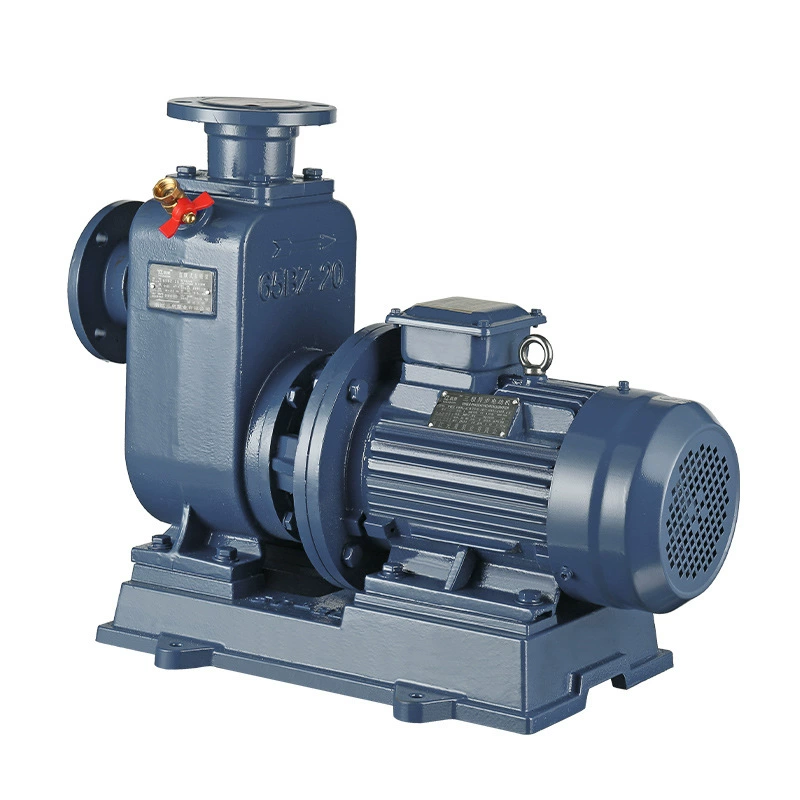
Choosing  the right centrifugal pump  is a crucial decision for  any  industrial or commercial project. With a variety  of designs, materials, and applications available, buyers  must navigate numerous factors—such as  performance requirements, compatibility,  and reliability.  This  article will explore key considerations for  selecting a centrifugal pump, sourcing reliable products  for bulk  orders,  addressing  common issues, and  understanding cost factors.  By  the end,  readers  will be better equipped to make informed purchasing decisions.
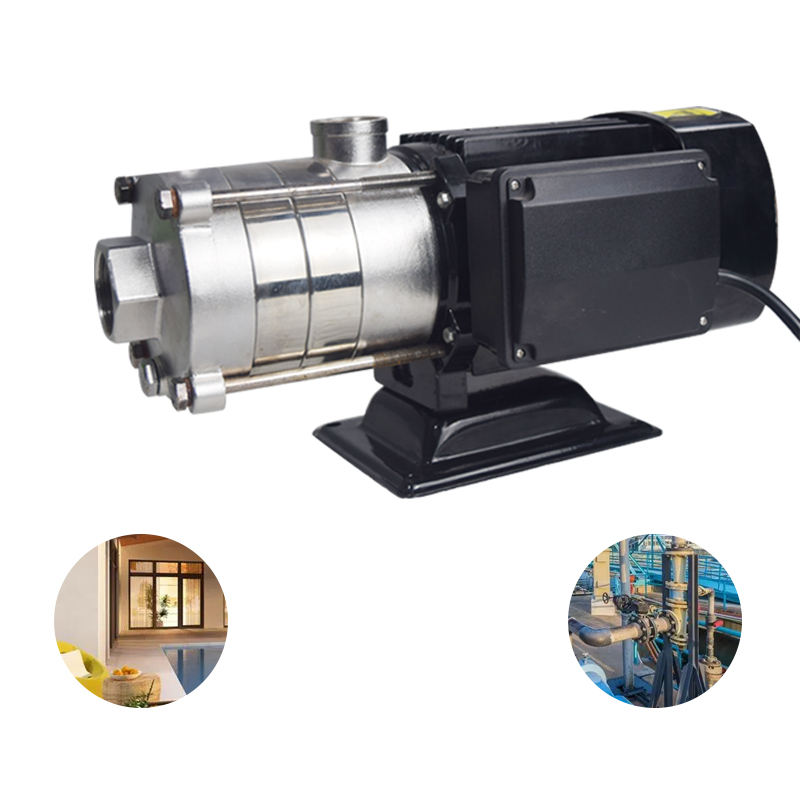
Where to Source Reliable Centrifugal Pumps for Bulk Orders

Where to Source Reliable Centrifugal Pumps for Bulk Orders

When sourcing centrifugal pumps  for bulk orders, reliability is paramount. Here are some strategies to find trustworthy  suppliers:

Manufacturer  Reputation: Research potential suppliers, focusing  on their  industry reputation, years of experience, and customer reviews. Established manufacturers  like  Larissa Motor, with over two decades of experience, often adhere  to international standards and have proven quality control processes.

Certifications and Quality Standards: Verify that  the manufacturer holds relevant certifications that indicate  compliance with  industry standards, such as ISO certifications. These certifications often signify a commitment to quality and performance.

Sample Evaluation:  Before placing a  bulk order, request samples to evaluate  the pump's performance and quality.  Testing a sample under real-world conditions can  help identify any potential issues before full-scale production.

Lead Time and MOQ: Discuss the lead time for bulk orders and understand the manufacturer’s minimum order quantity (MOQ). This ensures that  your project timeline aligns with the supplier’s production capabilities.

Communication: Establishing clear communication with potential suppliers can  help clarify technical specifications, customization options, and after-sale support,  which are essential for a successful partnership.

By focusing on these areas,  buyers can identify reliable sources for their centrifugal pump needs.
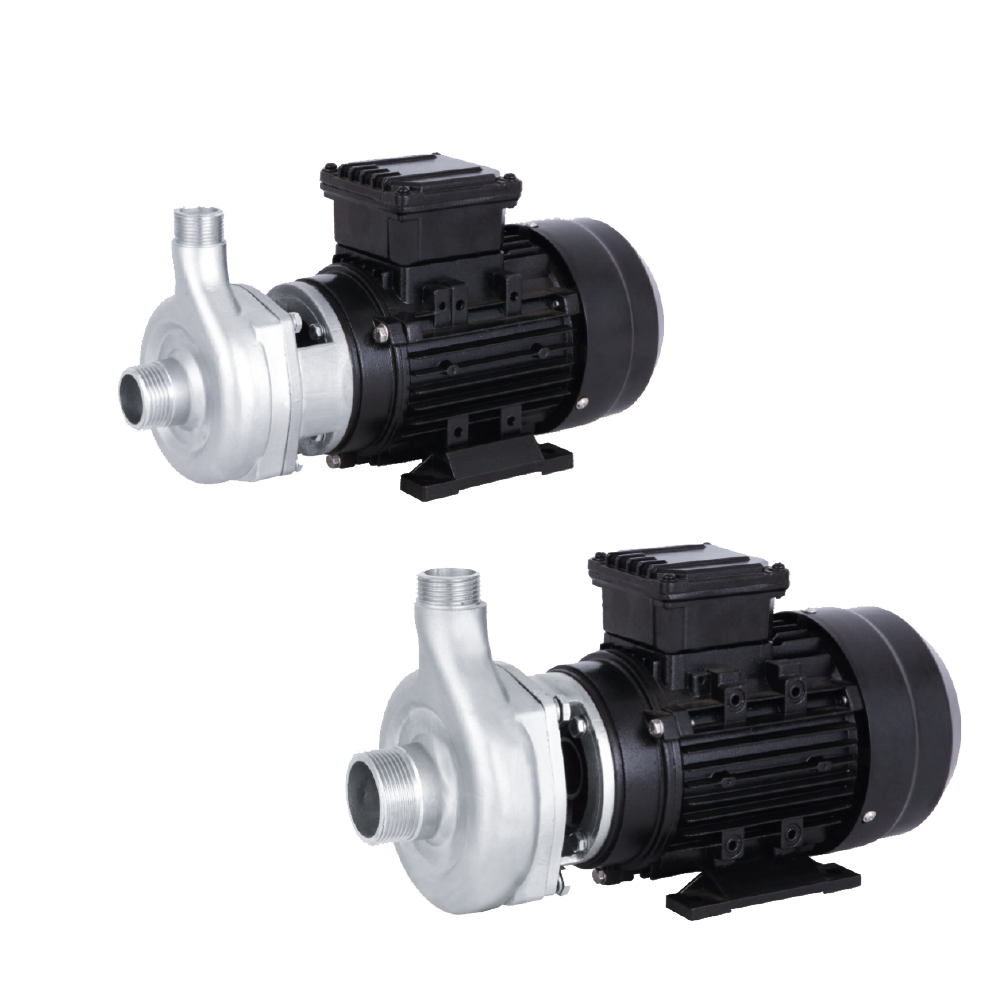
Common Problems with Centrifugal Pumps and Effective Solutions

Common Problems with Centrifugal Pumps and Effective Solutions

Centrifugal pumps can  encounter  various operational problems. Recognizing these issues early and knowing how to address them can save time and costs:

Cavitation: This occurs when the pressure of  the liquid entering the pump falls below its vapor pressure, leading to the formation of vapor bubbles. Solutions  include ensuring proper suction conditions, selecting a pump  with an appropriate NPSH (Net Positive Suction Head) rating, and  avoiding  excessive elevation of the pump above the fluid source.

Overheating: Excessive temperatures  can damage pump components. To prevent overheating, ensure that the fluid being  pumped is within  the operational temperature range  and that the  pump is adequately cooled during operation.

Seal Failure: Leaking seals  are a common issue that can lead to fluid loss and contamination. Regular maintenance, including seal inspection and replacement, can help mitigate this problem. Opting  for pumps with high-quality sealing materials can also enhance reliability.

Vibration: Excessive vibration can indicate misalignment or imbalance within the  pump system.  Regularly checking alignment  and ensuring that the pump is  mounted correctly can prevent  these issues.

By proactively addressing these common problems, operators can maintain the  efficiency and longevity of their centrifugal pumps.

Cost Considerations for Purchasing Centrifugal Pumps in Bulk

Cost Considerations for Purchasing Centrifugal Pumps in Bulk

When  purchasing centrifugal pumps in bulk, understanding the cost factors is crucial:

Initial Purchase Price: Evaluate the upfront  cost of the pumps, keeping in mind that lower prices may not always equate to better  value. Ensure that  the selected pump meets the required specifications and quality standards.

Customization Costs: If your project  demands customized pumps, be aware that modifications can increase costs. Discuss these requirements with the manufacturer upfront to  understand how they will affect pricing.

Maintenance and Operational Costs: Consider the long-term costs associated with maintenance, energy consumption, and potential  downtime. Selecting a reliable pump with lower operating  costs can lead to savings over  time.

Shipping and Handling:  Factor in shipping costs, which can  vary significantly based on location and order  size. Discuss packaging methods with the supplier to minimize damage during transit.

Bulk Order  Discounts: Many manufacturers offer discounts  for bulk purchases. Inquire  about pricing tiers based  on order volume, which can  substantially reduce the overall cost.

By carefully analyzing these cost factors, buyers can make more informed purchasing  decisions  that align with their budgetary constraints.

Applications of Centrifugal Pumps in Various Industries and Sectors

Centrifugal pumps are versatile and find applications  across numerous sectors, including:

Water and Wastewater Treatment: Used for transporting water, chemicals, and sludges in treatment facilities, these pumps are crucial for maintaining clean water supplies and effective wastewater management. For instance, the WQ Heavy Duty Submersible Sewage Pump is specifically designed for effective wastewater handling.

Chemical Processing: In the chemical industry, centrifugal pumps handle various fluids,  including  corrosive and  hazardous  materials,  requiring specific materials and designs to ensure safety and efficiency.

Agriculture: Used for irrigation and drainage, centrifugal pumps play a vital role in agricultural productivity by ensuring  efficient water  distribution.

HVAC Systems: In heating, ventilation, and air conditioning systems, these pumps help circulate fluids,  contributing to climate control in commercial  and industrial buildings.

Food and Beverage: Ensuring  hygiene and safety, centrifugal pumps are used for transferring liquids,  including juices, oils, and dairy products,  necessitating the use  of  food-grade materials.

Understanding the  diverse applications  of centrifugal  pumps allows buyers to  select the right product for their specific industry needs, ensuring optimal performance and compliance  with industry standards.

How to Choose the Right Centrifugal Pump for Your Project Needs

Selecting the appropriate centrifugal  pump begins with understanding the specific requirements of your project. Important factors include:

Flow Rate  and Head Pressure:  Determine  the desired flow rate (in gallons per minute or liters per second) and the head pressure required to move the fluid effectively through  the system.  Pumps  are designed for  specific capacities, and selecting one that does not meet your flow rate or pressure requirements can lead to inefficiencies or pump failure.

Fluid Characteristics: Consider the type of fluid being pumped, including its viscosity,  temperature, and chemical composition. Some materials may require  specialized pump  components to prevent corrosion or degradation. For instance, a pump designed for water may not handle corrosive chemicals effectively. If you're dealing with wastewater, you might consider the Efficient Cutter Submersible Sewage Pump for Wastewater Treatment, which is designed to handle such challenges.

Installation  Conditions: Assess the environment  where the pump will  be installed. Factors such as available space, power supply, and accessibility for maintenance can influence  the type of pump selected. 

Customization Options: Many manufacturers, like Larissa Motor, offer customizable centrifugal pumps tailored to specific applications or operational requirements. Customization  can include material selection, size adjustments, and design modifications.

By  integrating these considerations, buyers can ensure they select a centrifugal pump that meets their operational  needs  and maintains performance stability over time.

Get a Professional Sourcing Quote

Our pump experts will review your request and reply within 12 hours.
Choose Your Needs Optional Business Type
Customization Requirements Optional
Email
Name
Company Name & Website
Message
0/1000

Related product categories