EN
EN
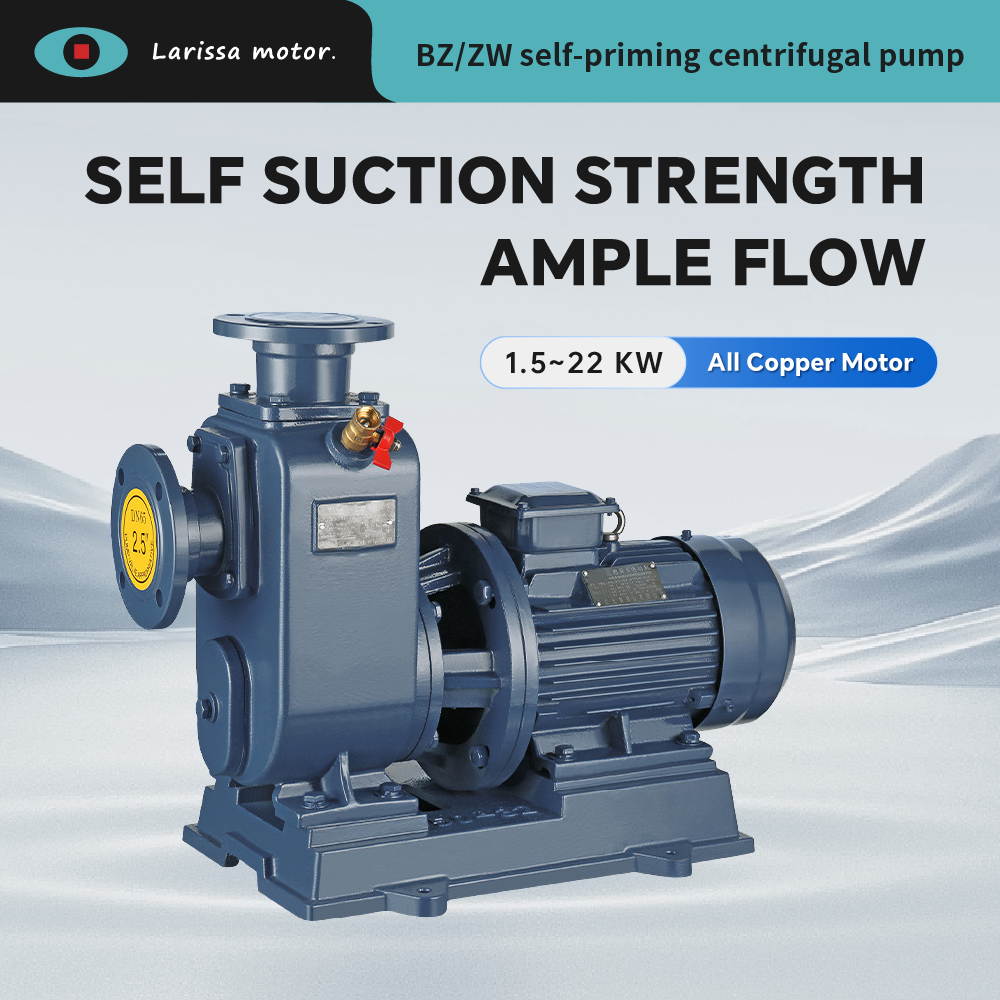
Centrifugal pumps are essential components in various industrial applications, designed to move fluids through the conversion of rotational kinetic energy. For B2B buyers, selecting the right centrifugal pump can be a complex process, often involving concerns about specifications, performance, quality control, and cost. This article aims to provide comprehensive insights into these factors, helping you make an informed purchase decision that meets your project's needs.
Key Specifications to Evaluate When Selecting Centrifugal Pumps
When evaluating centrifugal pumps, buyers should focus on several critical specifications:
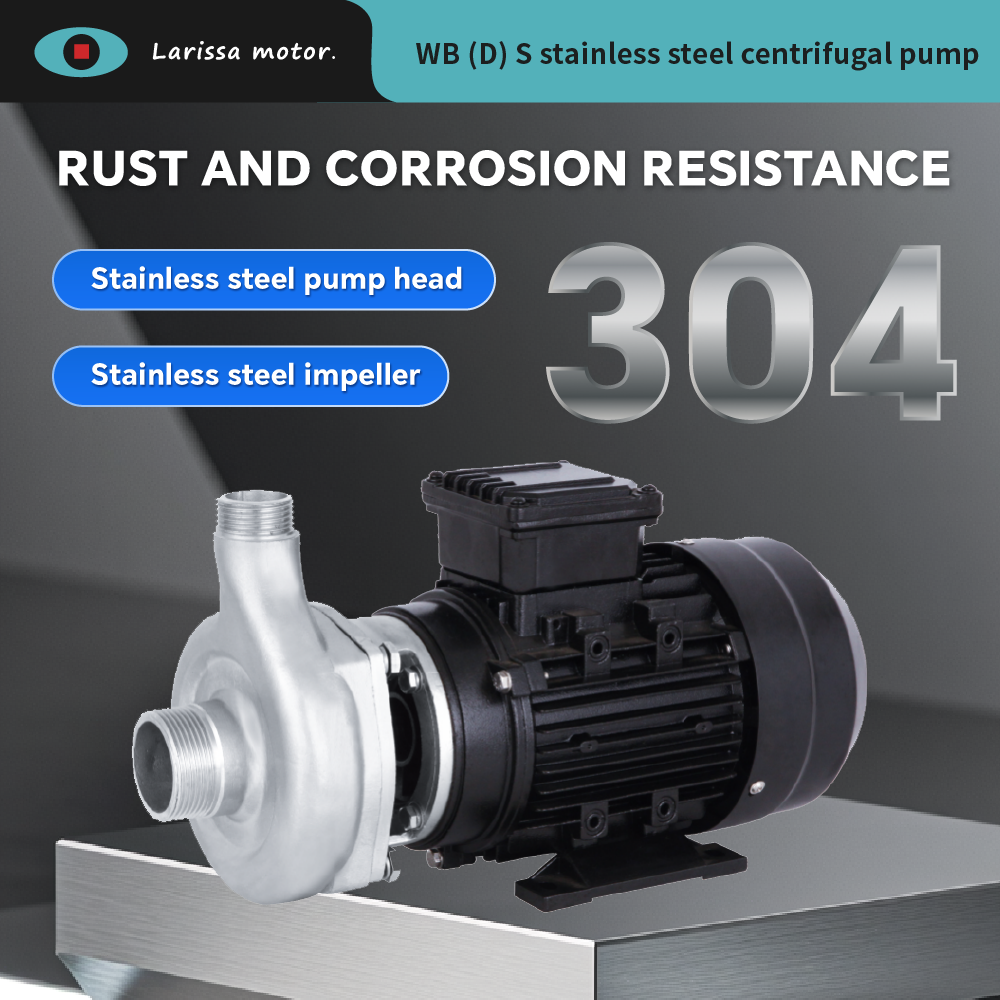
Material Construction: The pump's material affects its durability and compatibility with the pumped fluid. Common materials include stainless steel for corrosive fluids and cast iron for general applications. Impeller Design: The impeller type (open, semi-open, or closed) impacts efficiency and suitability for specific applications. Closed impellers typically offer higher efficiency, while open impellers are better for liquids with solids. Pump Efficiency: Look for the pump's hydraulic efficiency rating. Higher efficiency reduces energy costs and improves operational performance over time. NPSH Requirements: Net Positive Suction Head (NPSH) is crucial to avoid cavitation, which can damage the pump. Ensure that your system provides sufficient NPSH to meet the pump’s requirements.Understanding these specifications will help you identify pumps that not only meet your performance criteria but also ensure long-term reliability and cost-effectiveness.