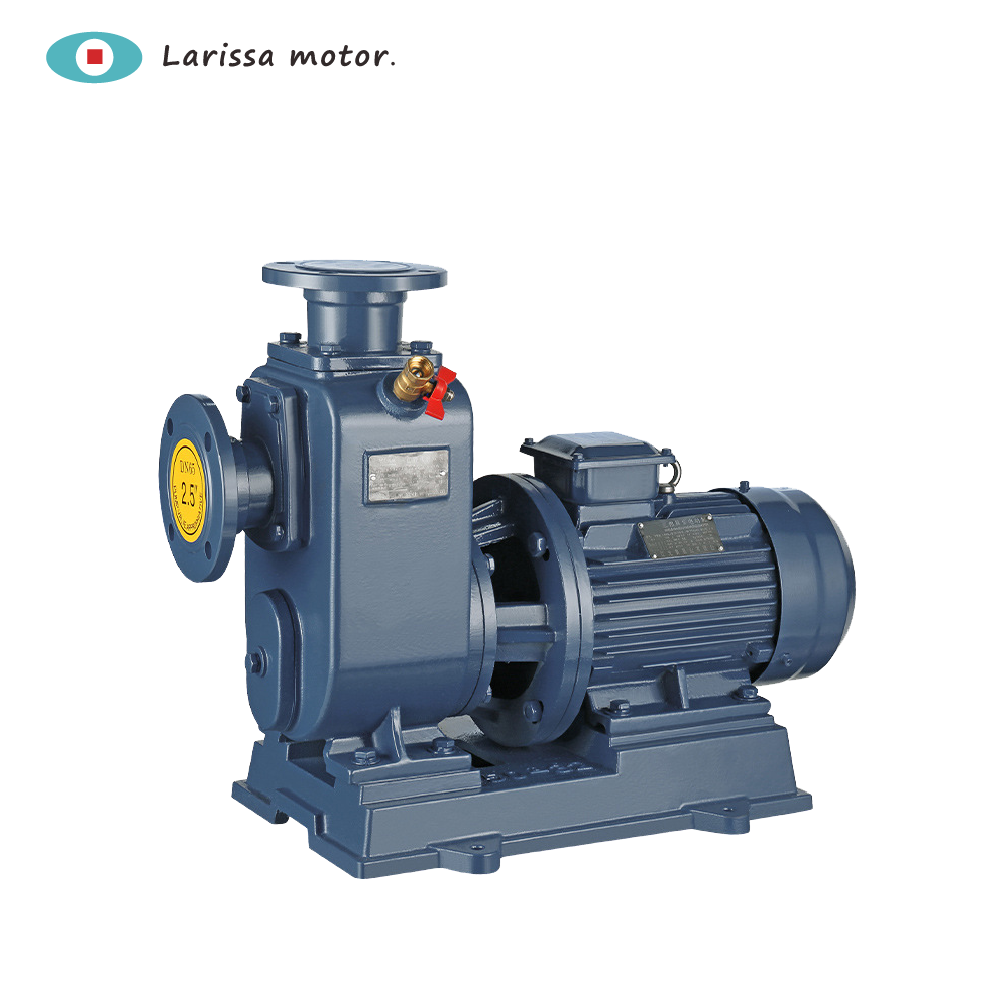
Choosing the Right Self-Priming Centrifugal Pump

Get a Professional Sourcing Quote

Our pump experts will review your request and reply within 12 hours.
Choose Your Needs Optional Business Type
Customization Requirements Optional
Email
Name
Company Name & Website
Message
0/1000

self priming centrifugal pump

Self-priming centrifugal  pumps are  essential  tools in various industrial  applications,  designed  to  efficiently handle  liquid  transfer without needing manual  priming. When  considering a self-priming centrifugal pump, B2B buyers often  focus on factors such as  performance reliability, material compatibility, and customization options to  ensure they meet their specific operational needs. This  article will guide you  through selecting the right pump, sourcing  high-quality  options, common challenges,  and applications across industries, enabling informed purchasing  decisions.
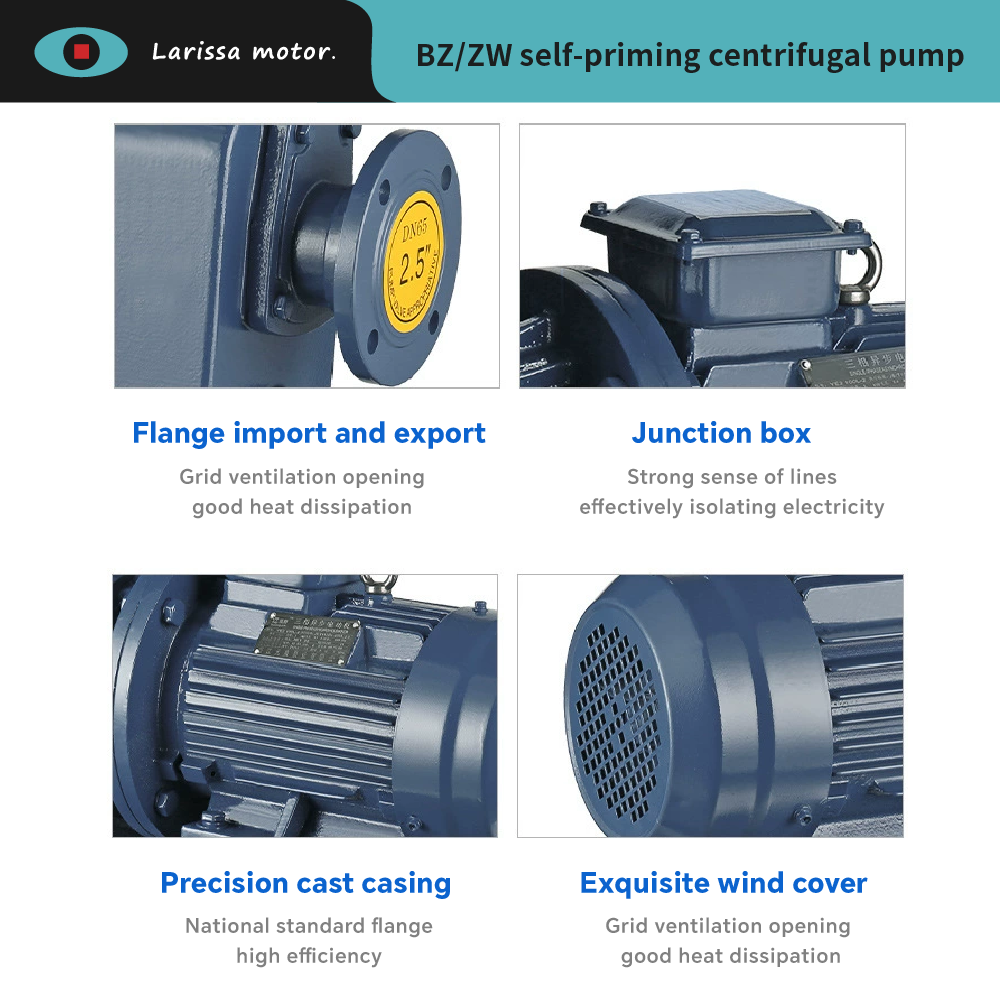
Where to Source High-Quality Self-Priming Centrifugal Pumps Wholesale

Where to Source High-Quality Self-Priming Centrifugal Pumps Wholesale

Sourcing high-quality self-priming  centrifugal  pumps involves identifying reliable  manufacturers  and  distributors.  Here are some strategies:

Direct  Manufacturer Partnerships: Establish relationships  with manufacturers like Larissa Motor,  known for their high-quality electromechanical products. In-house development and manufacturing capabilities often lead to better quality control and customization options.

Industry Trade Shows and Expositions: Attend relevant trade shows to meet potential suppliers, view  their products, and discuss your specific needs. This provides an  opportunity to evaluate product quality firsthand.

Online Marketplaces and B2B Platforms: Use platforms such as Alibaba or ThomasNet to find suppliers, but always verify their  reputation through reviews and ratings. Request samples where possible to assess quality before  making larger orders.

Local Distributors: Consider working with local distributors who can provide faster shipping and support services. They often have established  relationships with manufacturers and can offer insights into product performance and maintenance.

Ensure  you conduct thorough due diligence on any supplier, checking for certifications, production  capabilities, and  their history of  customer service.
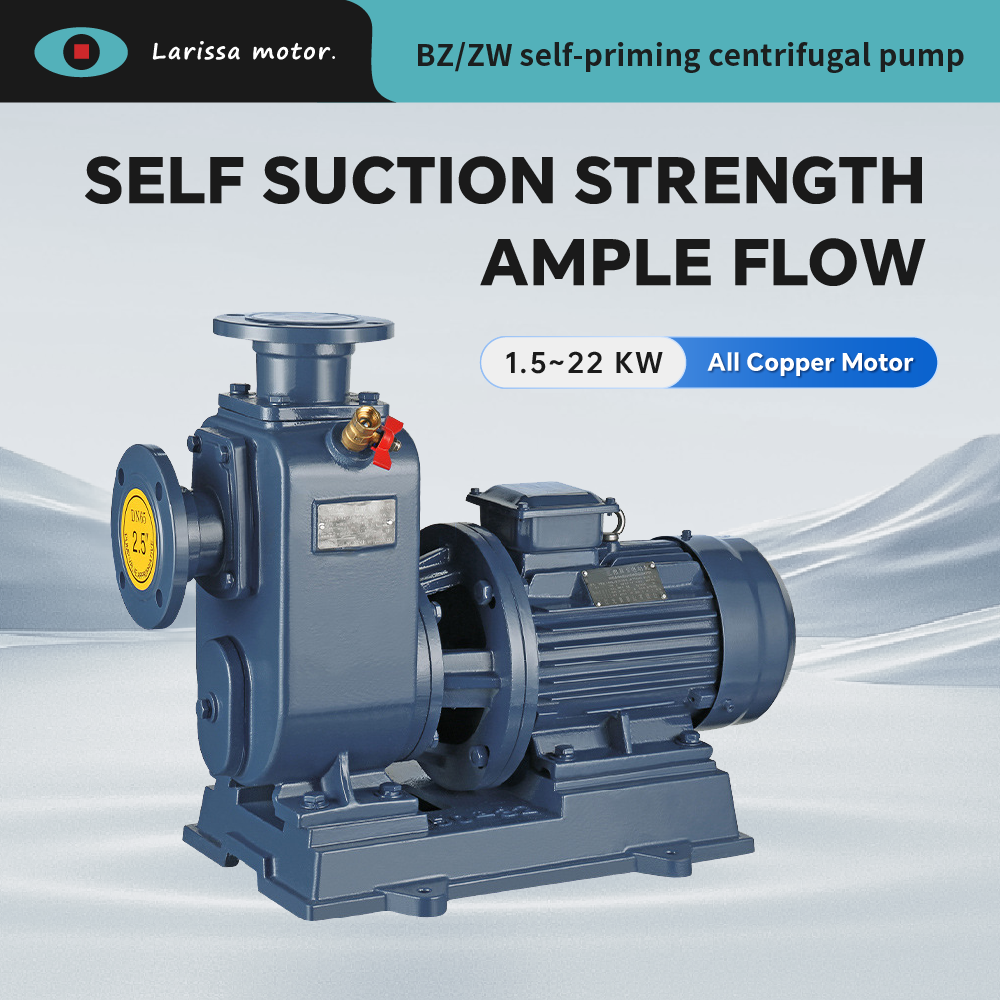
A Buyer's Guide

A Buyer's Guide

When preparing to purchase a self-priming centrifugal pump, buyers should gather and present specific information to ensure accurate quotes and timely  production. Here’s a checklist of considerations:

Application Details: Clearly outline  the intended use, including the type of  liquid to  be pumped,  flow requirements, and any specific performance metrics.

Technical Specifications: Provide detailed  specifications such as desired flow rate, head, and operating conditions, including temperature and pressure ranges.

Material  Requirements:  Specify  required materials  based on  the fluid compatibility, ensuring that the selected materials can withstand  the expected  conditions.

Customization Needs: Discuss any  necessary  customizations, including size,  fittings,  or additional features that may  enhance performance for your specific application.

Quantity and Delivery  Schedule: Indicate the  order quantity and preferred delivery timelines to help suppliers provide accurate lead time estimates.

Quality Assurance Standards: Communicate any quality control standards or certifications that the product must meet, ensuring alignment with your quality expectations.

By compiling this information, you can streamline the RFQ process and facilitate effective communication with potential suppliers.

Common Problems with Self-Priming Centrifugal Pumps and Solutions

Common Problems with Self-Priming Centrifugal Pumps and Solutions

While self-priming centrifugal pumps are reliable, certain challenges may arise during operation. Here  are some common issues  and their solutions:

Loss of Prime: If the pump loses  its prime, it  may be due to  air leaks in the suction  line or improper installation. Regularly inspect the  suction lines for leaks and  ensure that all connections are airtight.

Cavitation: This occurs when the pump operates below its required NPSH (Net Positive Suction Head), leading to  damaged impellers. To resolve  this, ensure that the suction conditions meet the pump's  specifications  and consider increasing the liquid level in the supply tank.

Overheating: Insufficient cooling  or  high ambient temperatures can cause overheating. Ensure that the pump  is adequately cooled and operated within its temperature limits.

Vibration and  Noise:   Excessive vibration may  indicate misalignment, imbalance, or wear. Regular maintenance checks can address these issues and extend pump life.

Understanding these potential problems can help buyers implement preventive measures and maintain optimal  pump performance.

Applications of Self-Priming Centrifugal Pumps in Various Industries

Self-priming centrifugal pumps have a wide range of applications  across different industries due to their efficiency  and versatility. Here  are some notable applications:

Water and Wastewater Management: These pumps are commonly used for transferring water and wastewater, ensuring effective handling in treatment  plants and municipal applications.

Agriculture: In agricultural settings, self-priming pumps  facilitate irrigation  and water transfer, particularly in areas where gravity-fed systems are impractical. The Portable Solar Water Pump for Farm Irrigation & Remote Area Water Transfer is an excellent example of such applications.

Food and Beverage Industry: These pumps are critical in processing liquids such as juices and dairy products,  where hygiene  and material compatibility are paramount.

Chemical Processing: Industries handling corrosive or volatile substances rely on  self-priming pumps for safe and  reliable transfer, often utilizing pumps  constructed from specialized  materials.

Construction and Mining: In construction sites, self-priming pumps are  used to manage dewatering  and fluid transfer,  ensuring  efficient project execution.

Understanding the specific applications of self-priming  centrifugal pumps can help  buyers select  the right product tailored to their industry requirements.

Choosing the Right Self-Priming Centrifugal Pump for Your Needs

Selecting the appropriate self-priming centrifugal pump requires  careful consideration of several specifications and operational requirements. Key factors include:

Flow Rate and Head: Determine the required flow rate  (measured in gallons per minute or liters per second) and the total head (the height the pump needs to lift the liquid). Ensure the pump's specifications align with your  application  to  avoid performance issues.

Material Construction: The pump's materials must  be compatible with  the fluid being handled. For example, corrosive liquids may  require  pumps made from stainless steel or specialized plastics to prevent degradation.

Operating Conditions: Consider environmental factors such as temperature and pressure that the pump will be  exposed to. Ensure that the selected  pump  can  operate effectively within these parameters.

Customization Options: Many manufacturers offer customization capabilities to tailor  the pump's design to specific applications. Discuss your requirements with the supplier to explore options like  size modifications, material changes, or  additional features. For instance, the DC CPM Centrifugal Water Pump for Solar Irrigation & Agricultural Water Transfer can be customized for specific needs.

Before finalizing your decision,  it's advisable to consult with the manufacturer to confirm that the chosen pump will meet your operational needs effectively.

Get a Professional Sourcing Quote

Our pump experts will review your request and reply within 12 hours.
Choose Your Needs Optional Business Type
Customization Requirements Optional
Email
Name
Company Name & Website
Message
0/1000

Related product categories