EN
EN
When sourcing pumps and irrigation systems, understanding product specifications, quality, and application requirements is crucial for B2B buyers. Whether you are a purchasing manager, distributor, or engineer, selecting the right pumps can significantly impact performance, energy efficiency, and overall operational costs. This article will guide you through evaluating pump quality, key specifications to consider, installation requirements for irrigation pumps, the unique features of our offerings, and important buyer considerations.
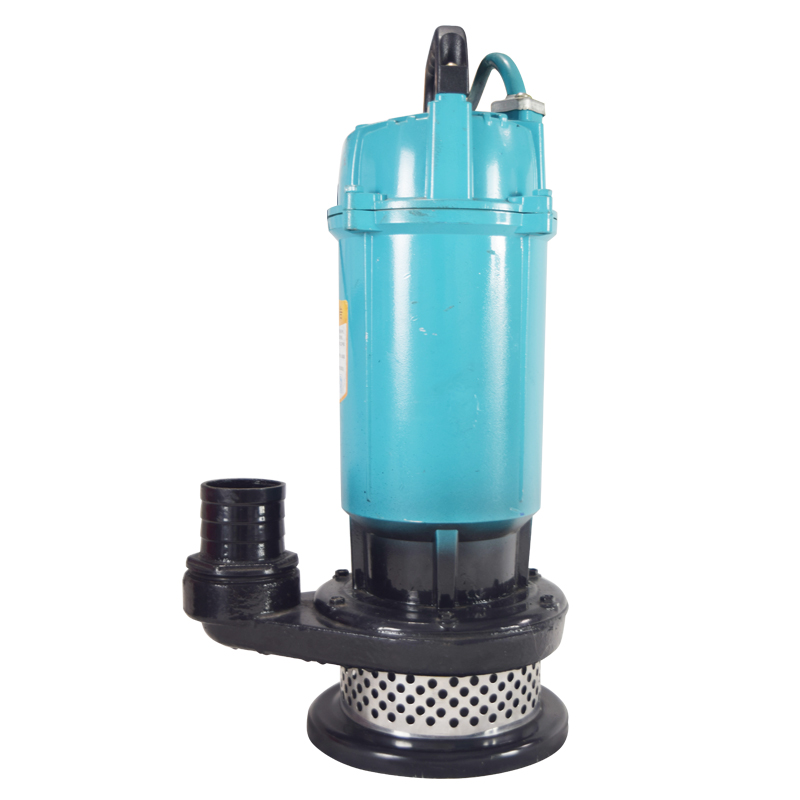
Key Specifications to Consider When Sourcing Pumps
Understanding key specifications is essential when sourcing pumps. Here are the critical parameters to evaluate:
Flow Rate: This defines the volume of water a pump can move over a specified period. Ensure the flow rate matches your application requirements to avoid underperformance or inefficiency.
Pressure Rating: Pumps must be capable of delivering water at the required pressure for your irrigation systems. Verify that the pressure rating aligns with the system’s needs to prevent operational failures.
Material Composition: The choice of materials impacts not only durability but also compatibility with various fluids. For example, pumps used in chemical irrigation systems may require specialized materials to resist corrosion from aggressive chemicals.
Motor Specifications: The motor type, efficiency, and power consumption are vital. Opt for energy-efficient motors that can reduce operational costs over time.
Customization Options: Some applications may require specific modifications, such as variations in size or additional features. Understanding the manufacturer's customization capabilities can help in meeting unique operational requirements.
Certifications: Look for compliance with international standards, which can assure you of the product's quality and safety.
Each of these specifications should be discussed with potential suppliers to ensure they meet your project's needs.