EN
EN
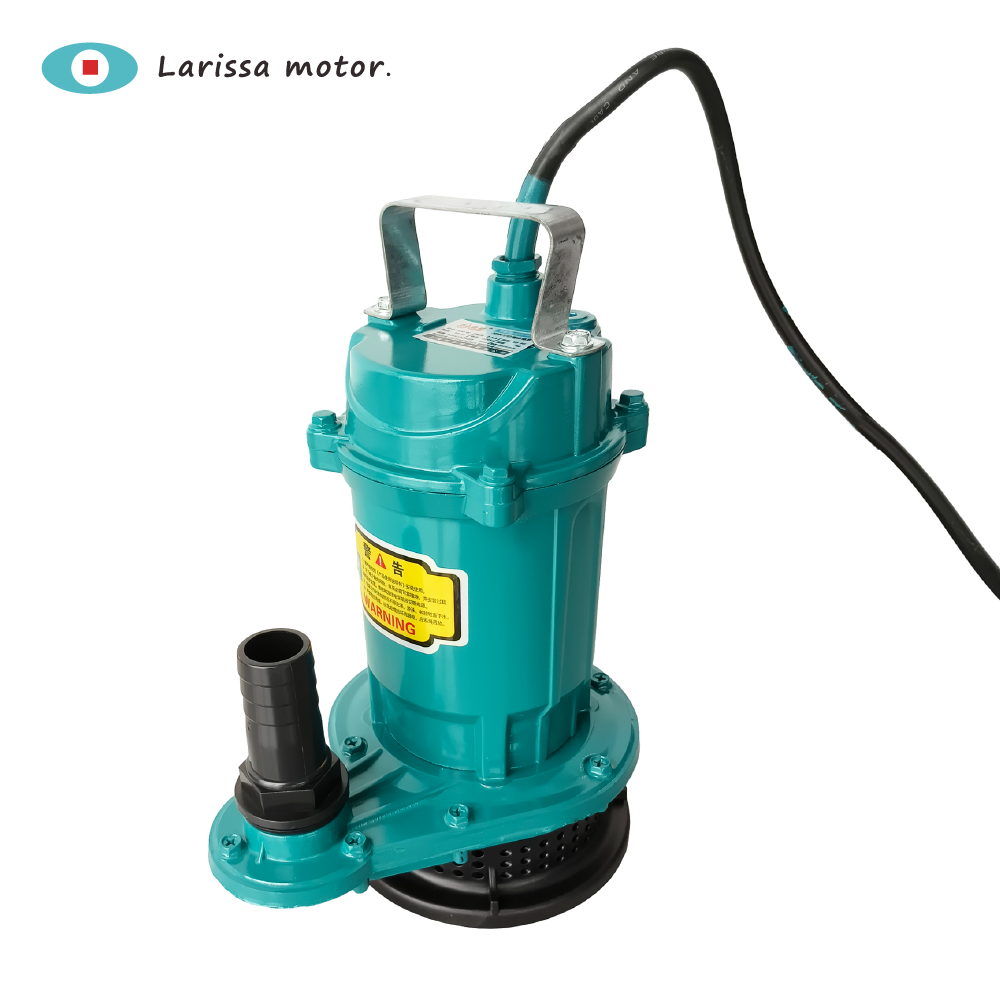
Understanding the features of a solar sprinkler pump is essential for purchasing managers, distributors, and engineers looking to meet their wholesale needs. These pumps are designed to efficiently deliver water using solar energy, making them an eco-friendly choice for irrigation and agricultural applications. This article will guide you through the key considerations when selecting a solar sprinkler pump, including specifications, quality evaluation, and common issues you may encounter.
Key Specifications of Solar Sprinkler Pumps for Importers and Distributors
Understanding the key specifications of solar sprinkler pumps is vital for importers and distributors looking to maintain competitive offerings. Key specifications to consider include:
Flow Rate: Measured in liters per minute (L/min) or gallons per minute (GPM), the flow rate indicates how much water the pump can deliver. It should be matched with your irrigation needs.
Pressure Rating: Typically measured in psi (pounds per square inch), the pressure rating will determine how far the water can be distributed. For example, higher pressure ratings are essential for larger irrigation systems.
Power Consumption: Look for pumps that optimize solar energy use. The power rating, often in watts, indicates how much solar energy is required to operate the pump effectively.
Durability and Materials: Pumps designed with corrosion-resistant materials, such as stainless steel or reinforced plastics, will perform better over time, especially in harsh environments.
Certifications: Ensure the products meet international standards for safety and performance, which can significantly enhance their marketability.
Understanding these specifications will help you guide your customers in selecting pumps that meet their irrigation needs efficiently.