Submerged Pump Price: Key Factors and Solutions

Get a Professional Sourcing Quote

Our pump experts will review your request and reply within 12 hours.
Choose Your Needs Optional Business Type
Customization Requirements Optional
Email
Name
Company Name & Website
Message
0/1000

submerged pump price

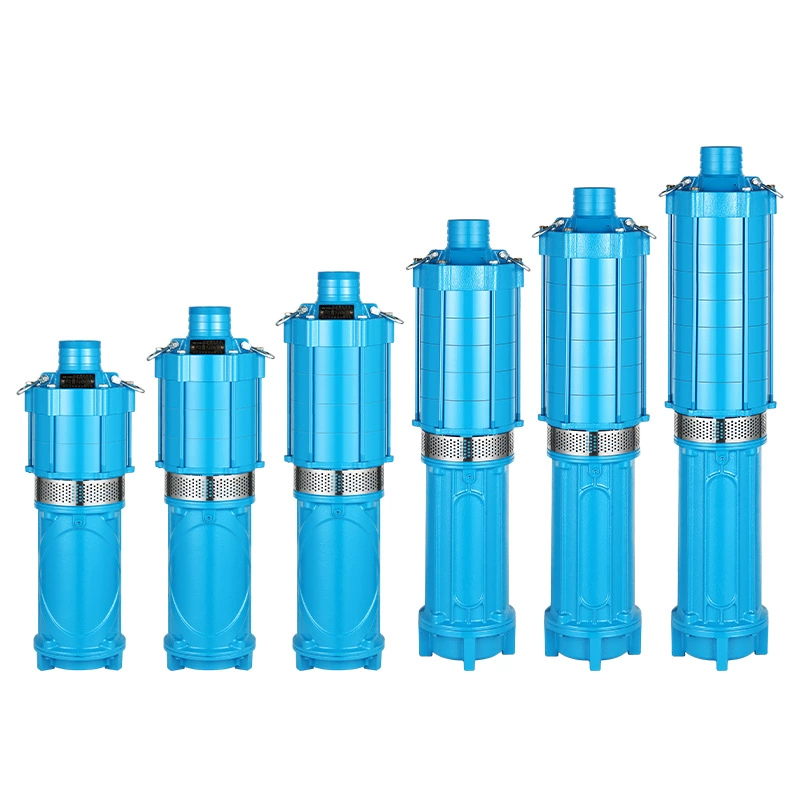
When considering  the purchase  of a submerged pump, understanding the price dynamics and  related factors is crucial  for  B2B buyers  in manufacturing and industrial sectors.  Submerged pumps are  essential for  various applications, including water supply, irrigation,  and wastewater management.  , we will explore how to choose  the  right submerged pump  for your project needs,  the  cost factors  involved, common installation issues and their solutions, performance comparisons across  different brands,  and the importance of quality  control processes in submerged pump manufacturing.
Understanding Cost Factors

Understanding Cost Factors

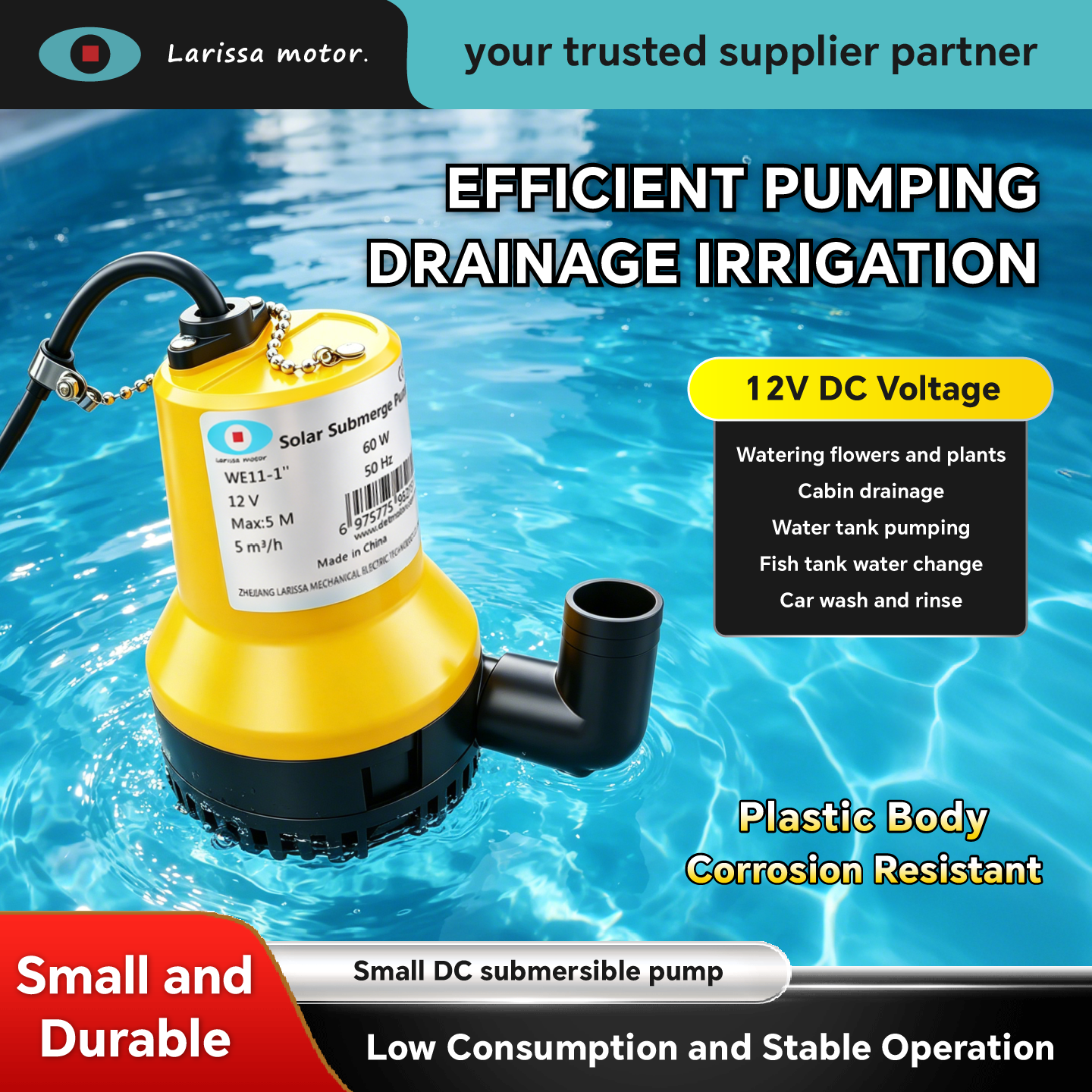
The price of a submerged pump can vary significantly  based on several factors.  Key  considerations include:

Pump Specifications: Higher capacity pumps with advanced features often come at a  premium. For instance, pumps designed for high-pressure applications or those featuring variable frequency drives may incur additional costs.

Material Selection: The materials used in the construction of  the pump affect both durability and  cost. For example, pumps  made from high-grade  stainless steel  or specialized  polymers designed for chemical resistance will typically be  more expensive than standard cast iron options.

Customization Requirements: Custom designs tailored to specific  applications can  increase the  overall cost. It's essential  to communicate your needs clearly to obtain accurate pricing.

Production Volume: Bulk orders may  qualify for discounts, while low quantities could lead to higher per-unit costs. Understanding  minimum order quantities (MOQ) is crucial when budgeting for  submerged pump purchases.

Shipping and Handling:  Depending on the destination and the pump’s weight, shipping costs can vary. Factor  in these costs when calculating the total price.
Common Installation Issues with Submerged Pumps and Solutions

Common Installation Issues with Submerged Pumps and Solutions

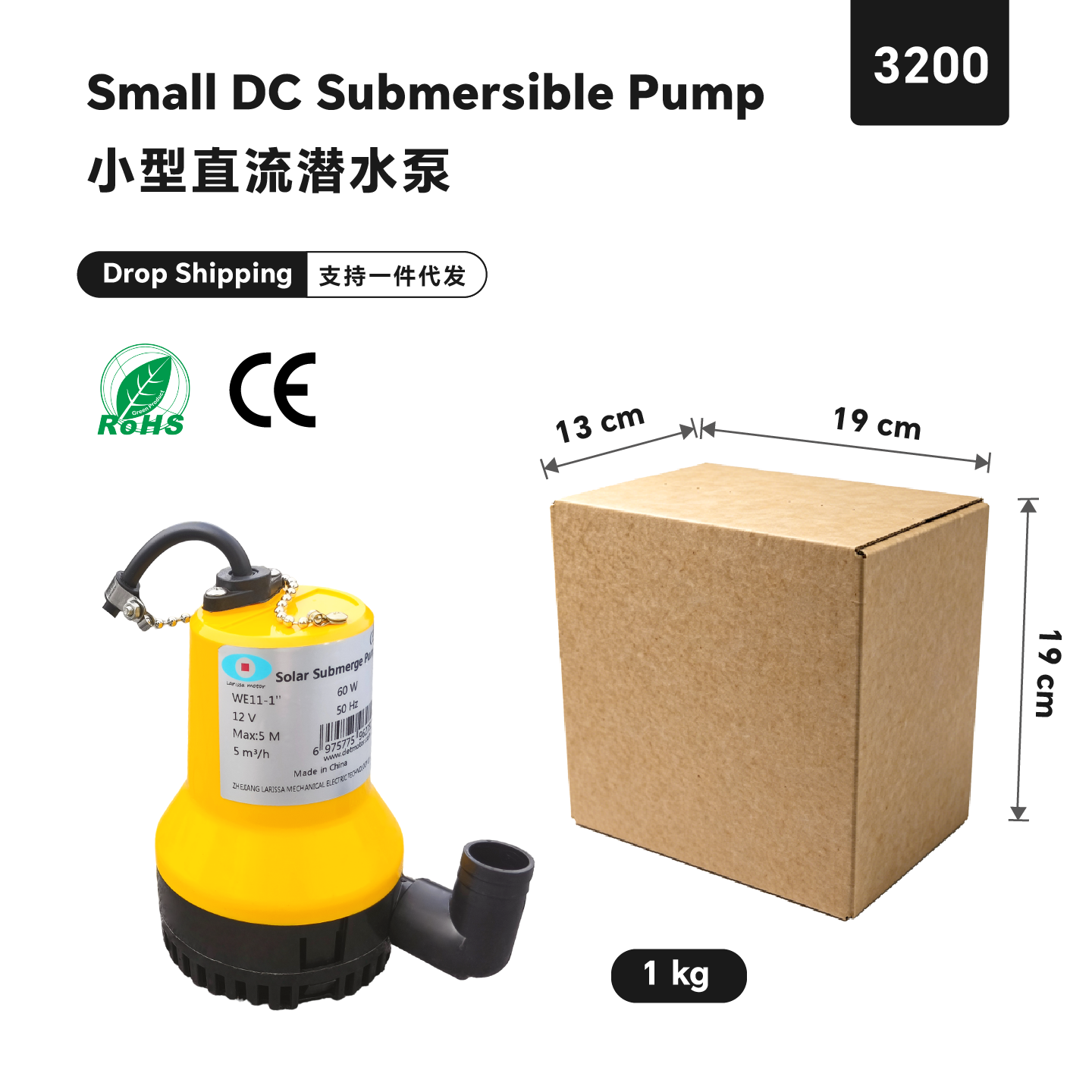
While installing submerged pumps, several challenges  can arise. Some common installation issues include:

Incorrect Sizing: Choosing a pump that does not match the  system's requirements can  lead to inefficiencies or failure. To mitigate this, perform a thorough analysis  of your application’s flow and head requirements before making a selection.

Electrical Compatibility: Ensure that the  pump's electrical specifications match  your power  supply.  Mismatches can lead to operational  failures or safety hazards. It's advisable to consult with  an electrical engineer or the pump manufacturer during the  installation phase.

Foundation and Mounting  Issues:  Submerged pumps  require a stable foundation to operate  efficiently.  Inadequate mounting can lead to vibrations,  noise, and premature wear.  Use vibration-dampening mounts and ensure the foundation is level.

Debris and Sediment: Pumps installed in dirty  water conditions may experience clogging. Implement filtration systems or regularly scheduled maintenance to minimize downtime and service requirements.

Comparing Submerged Pump Performance Across Different Brands

Comparing Submerged Pump Performance Across Different Brands

When  evaluating submerged pumps, performance metrics such as efficiency,  flow rate, and durability  are critical. Each brand  may  offer different performance characteristics. For instance, some pumps may excel  in energy efficiency, leading to lower operational costs over time.

Performance comparisons should  factor in:

Head Pressure: The maximum height a pump can elevate water. Higher  head capabilities are typically  required for industrial applications. Flow Rate: Measured in gallons per minute (GPM) or liters  per  second (L/s). Ensure that the pump meets  the specific flow  requirements of your system. Operating Conditions: Consider  the  pump's ability to function under varying temperature  and chemical exposure specific to your application. 

Larissa Motor's commitment to advanced design ensures  that its submerged pumps are engineered for optimal performance in diverse conditions,  making them  a reliable choice for global markets, including Europe.

Evaluating the Quality Control Processes in Submerged Pump Manufacturing

Quality control is a critical  aspect  of submerged pump  manufacturing. A robust quality assurance process ensures that the pumps meet international standards and perform reliably under operational conditions. Key areas of focus  include:

Material Inspection: Before production,  incoming materials should undergo  rigorous testing to verify their properties and suitability for the intended application.

In-Process Testing: Monitoring during the manufacturing process helps identify any deviations from specifications early on,  allowing for corrective action to be taken.

Final Product Testing: Each submerged pump should  be tested under  actual operating conditions to validate  performance metrics such as flow rate, efficiency,  and durability.

Certifications: Look for  manufacturers that hold relevant  certifications which  demonstrate adherence to international quality standards.

By understanding these quality control processes,  buyers  can make informed decisions and select manufacturers  like Larissa Motor that prioritize excellence and reliability in their submerged pump  offerings. Additionally, exploring options like Solar Pumping Systems can provide innovative solutions for various applications.

How to Choose the Right Submerged Pump for Your Project Needs

Selecting the appropriate submerged pump involves evaluating several key factors. First, consider the specific application requirements, such  as flow rate, head height,  and the fluid type.  For example, if the pump will be used in corrosive environments, materials like stainless  steel or specialized  coatings  may be necessary to ensure durability.

Next, assess  the power source.  Submerged pumps can be electrically or mechanically powered, and  the  choice can affect installation costs and operational efficiency.  Additionally, consider  the pump’s size and compatibility with existing infrastructure to avoid unexpected installation challenges. For those looking for specific applications, Irrigation Pumps might be a suitable option.

Customization options are also  an essential aspect. Larissa  Motor, known for its advanced design and manufacturing  capabilities, offers tailored solutions to meet diverse project  specifications.  Providing detailed requirements during the inquiry process  will facilitate  better recommendations  from manufacturers.

Get a Professional Sourcing Quote

Our pump experts will review your request and reply within 12 hours.
Choose Your Needs Optional Business Type
Customization Requirements Optional
Email
Name
Company Name & Website
Message
0/1000

Related product categories