Choosing the Right Submersible Well Water Pump

Get a Professional Sourcing Quote

Our pump experts will review your request and reply within 12 hours.
Choose Your Needs Optional Business Type
Customization Requirements Optional
Email
Name
Company Name & Website
Message
0/1000

submersible well water pump

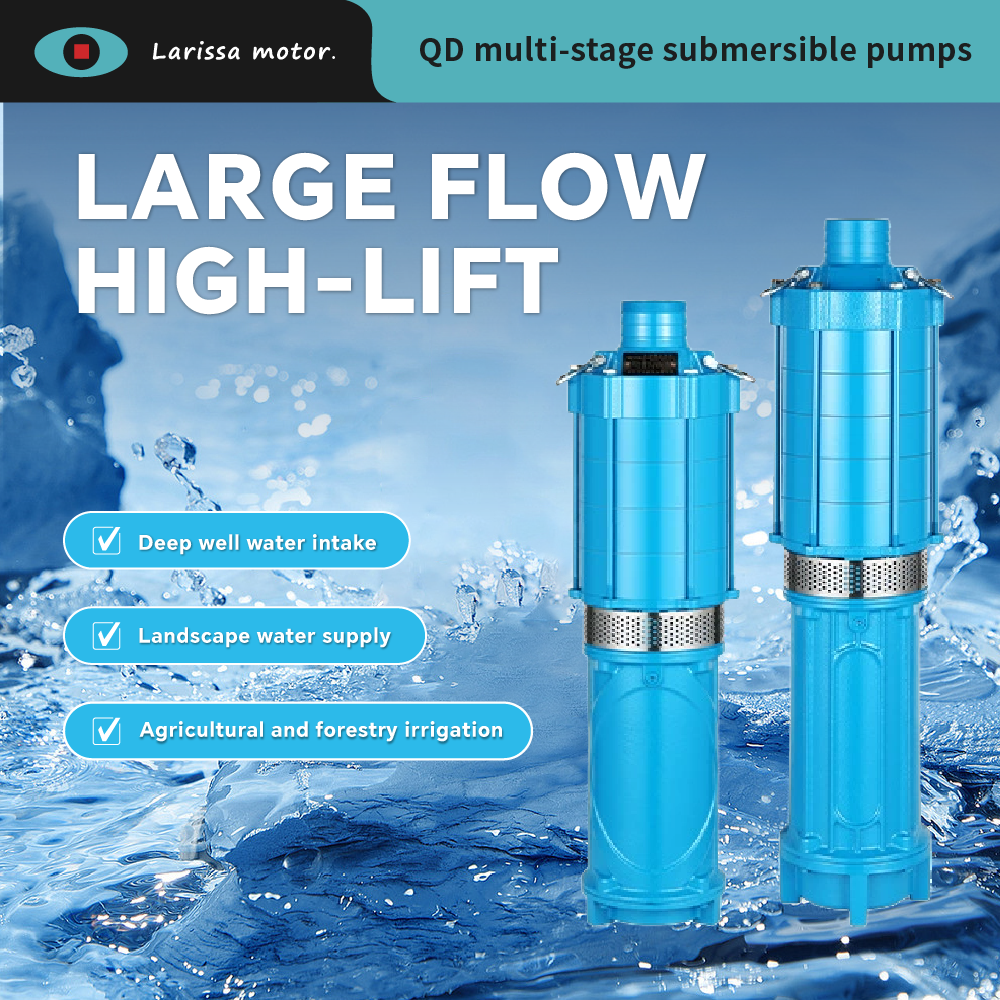
Submersible well water  pumps are  essential devices used to extract water from  underground sources,  making  them crucial  for various  applications, including agriculture,  irrigation, and residential water supply. When purchasing a  submersible well  water pump, buyers often have concerns  regarding performance, reliability, and compatibility with their specific needs. This article will guide  you through the  critical aspects of  selecting the right pump, evaluating specifications, sourcing  suppliers, ensuring quality, and  understanding  the diverse  applications of  these  pumps. For example, in agricultural settings, **Agricultural Water Pumps** play a vital role in ensuring optimal irrigation.
Key Specifications to Evaluate in Submersible Well Water Pumps

Key Specifications to Evaluate in Submersible Well Water Pumps

When evaluating submersible well water pumps, several specifications are critical to ensure you  select a reliable and effective unit:

Horsepower (HP): This indicates  the motor's power and its ability to move water. Higher horsepower  generally means greater lifting capacity, but it also impacts  energy consumption.

Pump  Material: The material affects  durability and resistance to corrosion. Common materials include thermoplastic, stainless steel, and  cast iron. Choose based on the  water's chemical composition and  environmental factors.

Maximum Head: This specification indicates  how high the pump  can lift water. Knowing the height from the pump to the discharge point helps  in selecting a model that can efficiently perform in your specific setup.

Diameter and Length: The pump's physical  dimensions  should fit  your well casing. Make sure to account for the well diameter and the total length required for installation.

Efficiency Rating: Check  the pump's efficiency rating,  which affects energy consumption and operational costs. A more efficient pump can lead to significant savings over time.

By  carefully  assessing these specifications,  you can make a more informed decision that aligns with your operational and financial goals.
Where to Source Reliable Submersible Well Water Pump Suppliers

Where to Source Reliable Submersible Well Water Pump Suppliers

Finding a trusted supplier for submersible well  water pumps is crucial for ensuring quality  and  reliability. Here are some tips for sourcing reliable suppliers:

Industry Reputation: Look for suppliers with a strong reputation in the industry.  Research reviews and testimonials from previous customers to gauge satisfaction levels.

Experience and  Expertise: Choose suppliers with extensive experience in manufacturing and  supplying pumps. Companies like  Larissa Motor,  which has been  in business since 1998,  demonstrate a long-standing commitment to  quality and innovation.

Customization  Capabilities: If your application requires specific modifications, ensure your supplier offers customization options. This can range from material choices  to pump dimensions and configurations.

Certifications and Compliance: Verify that the supplier's products meet relevant industry standards and  certifications. This not only ensures quality but also compliance with safety regulations.


Post-Purchase Support: Evaluate the level of customer service and technical support provided. A supplier that offers robust after-sales service can be invaluable  for  troubleshooting and maintenance.

By considering these factors,  you can  identify suppliers who will meet your needs  and provide ongoing support.

Quality Assurance Practices for Submersible Well Water Pumps

Quality Assurance Practices for Submersible Well Water Pumps

Quality assurance is vital in the manufacturing process of submersible well water pumps to ensure reliability and performance. Key  practices include:

Material Inspection: Before production, raw materials should  undergo rigorous  testing to ensure they meet  specifications and standards. This includes checking for corrosion resistance,  strength, and suitability for the intended application.

In-Process Testing: During manufacturing, regular inspections and  tests should be conducted to monitor the  pump's construction and functionality. This includes testing motor performance and structural integrity.

End-of-Line Testing: After production, pumps should be thoroughly tested to  ensure they operate correctly under simulated conditions. This can  include pressure tests and flow rate evaluations.

Documentation  and Certification: Maintain detailed records of all quality checks and test results. Providing customers with  this  documentation can enhance trust and transparency.

Feedback  Loop: Implementing a  feedback system from customers  can help identify potential issues and areas for improvement, ensuring continuous enhancement  of product quality.


By adhering to these quality assurance practices, manufacturers  can deliver reliable and effective pumps  that meet the  rigorous demands of various applications.

Applications of Submersible Well Water Pumps in Various Industries

Submersible well water pumps have diverse applications across numerous industries, making them versatile tools in  water management. Some key applications include:

Agriculture: Used for irrigation, these  pumps help deliver water to crops efficiently, ensuring optimal growth  conditions. They can handle large volumes of water and operate in various terrains.

Residential Use: Many homeowners  use submersible pumps for private wells  to supply water for domestic use. They are essential for ensuring  a consistent  water supply in rural and suburban areas.

Industrial Applications:  In  industrial settings, these pumps are  utilized for  dewatering,  cooling systems, and water supply in  manufacturing processes. Their ability to handle high volumes and operate in challenging environments makes them ideal for such uses.

Construction: Construction sites often require dewatering  solutions to manage groundwater. Submersible pumps can quickly remove water from excavated areas, allowing for safer and more efficient construction operations.

Mining: In mining operations, submersible pumps  are  crucial for managing water levels in pits and shafts,  ensuring safe working conditions and efficient mineral extraction.

Understanding these applications can help buyers choose the right  pump tailored  to their specific industry needs,  ultimately contributing to efficiency and productivity.

How to Choose the Right Submersible Well Water Pump for Your Needs

Choosing the right submersible well water pump involves understanding  both the specifications of the pump and the requirements of your application. Key considerations include:

Depth of the  Well: The pump  must be able  to reach the water level, which can significantly influence its power and design. Pumps are rated for specific depths, so understanding your well's depth is crucial.

Flow Rate: Consider  how much water you need to pump per minute  or hour. This will determine the size and capacity of the pump you need. A higher flow rate may  require a  more robust  pump, which  could impact your budget.

Power Supply: Ensure that your power supply matches the pump's requirements.  Submersible pumps typically  operate  on either  single-phase or three-phase electricity, and compatibility  is essential for efficient operation.

Material and Construction: The materials used in the pump  construction should be suitable for the water quality. For  example, if the water is corrosive or contains sediment, a pump made from stainless steel  or other resistant materials  may be necessary. Additionally, **Water Pump Accessories** can enhance the longevity of your pump.

Understanding these factors will  help you select a pump that meets your operational needs while ensuring longevity and performance.

Get a Professional Sourcing Quote

Our pump experts will review your request and reply within 12 hours.
Choose Your Needs Optional Business Type
Customization Requirements Optional
Email
Name
Company Name & Website
Message
0/1000

Related product categories