Key Specifications for Sourcing Water Well Pumps

Get a Professional Sourcing Quote

Our pump experts will review your request and reply within 12 hours.
Choose Your Needs Optional Business Type
Customization Requirements Optional
Email
Name
Company Name & Website
Message
0/1000

water well pump

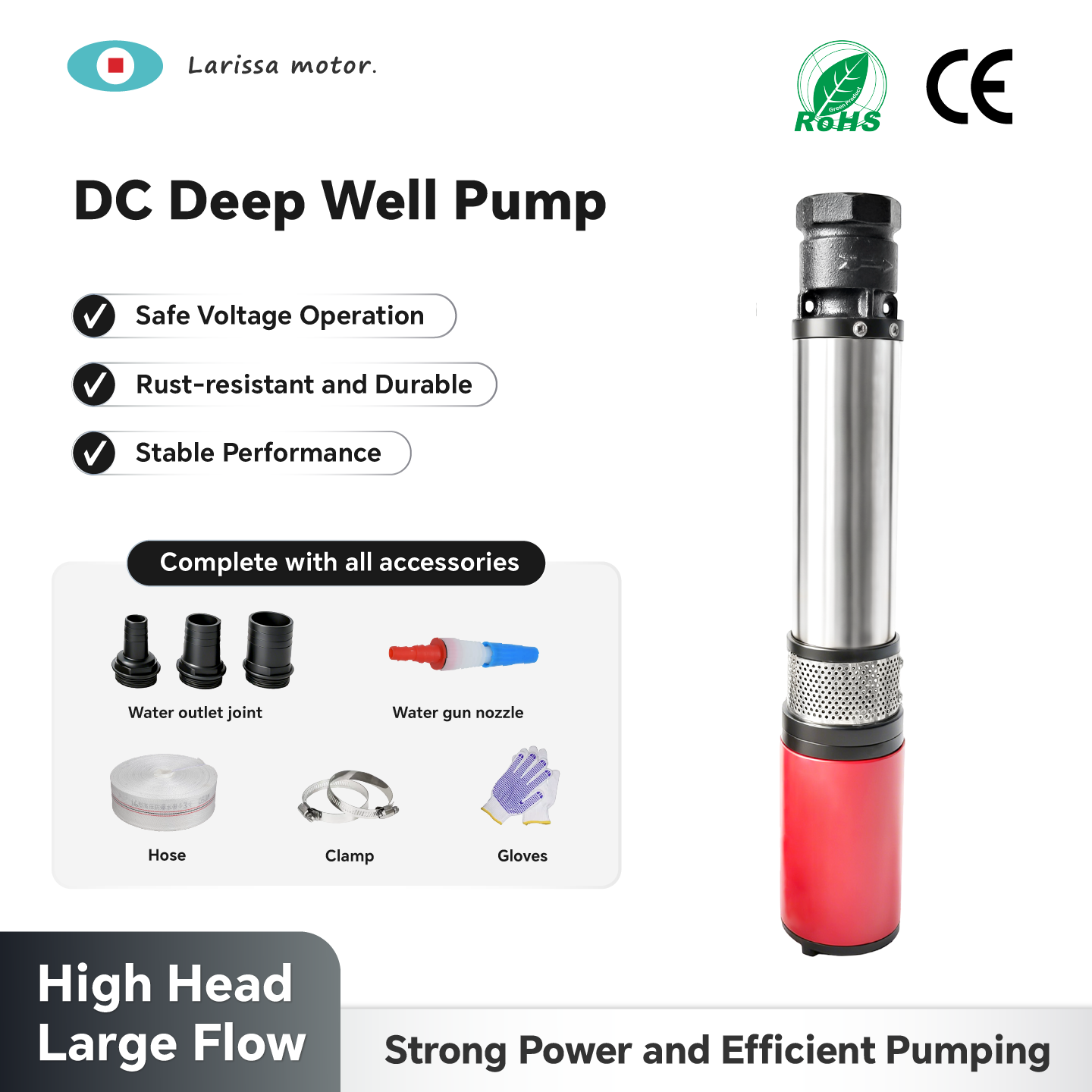
Water  well  pumps are  essential  electromechanical devices used to extract groundwater from wells  for  various  applications,  including irrigation, drinking water supply, and industrial processes. When sourcing water well pumps, B2B  buyers often prioritize considerations  such  as efficiency, durability, and  compliance  with  international standards. This article will help  you navigate  the critical specifications, supplier options, cost factors,  installation challenges, and diverse applications of  water well  pumps, ensuring informed purchasing decisions.
 
Where to Find Reliable Suppliers for Water Well Pumps in Bulk

Where to Find Reliable Suppliers for Water Well Pumps in Bulk

Finding reliable suppliers for bulk water well pumps involves a strategic approach. Consider the following sources:

Industry Trade  Shows: Attending trade shows focused on  water management and electrical engineering can connect you with manufacturers and distributors.  This  is an excellent opportunity to evaluate products firsthand and discuss specifications directly with  company representatives.

Online Marketplaces: Platforms like Alibaba and  ThomasNet feature numerous manufacturers  and suppliers. Look for verified suppliers with positive reviews and a  strong track record in the industry. Ensure that the  suppliers you consider have the necessary certifications  to meet international standards.

Professional Associations: Organizations such as the National Ground Water Association (NGWA) provide resources and directories of  reputable manufacturers. Membership  in these associations often indicates a commitment to  quality and industry best practices.

Local Distributors: Engaging with local distributors can provide regional expertise  and faster shipping options. They often have established relationships with manufacturers and can  assist in sourcing the right pump for your needs.

When  selecting a supplier, it's critical  to  evaluate their experience, product  range, and customer service capabilities to ensure a reliable  partnership.
Understanding the Cost Factors for Wholesale Water Well Pumps

Understanding the Cost Factors for Wholesale Water Well Pumps

The cost of wholesale water  well pumps can vary significantly based on several factors:

Pump Type: Submersible pumps typically cost more than jet pumps due  to their design and advanced features. The choice between these types should be based  on the specific application and well characteristics.

Material Selection:  Pumps  made from high-grade materials,  such as stainless steel, tend to be more expensive but offer better  longevity and corrosion  resistance.  Conversely, lower-cost materials may save money upfront but lead to  higher maintenance costs over time.

Customization: Custom features, such as special motor specifications or modifications for specific applications,  can increase costs.  Discussing  customization options with the manufacturer early in  the  process can help in budget planning.

Volume Discounts: Purchasing in bulk often allows for negotiation on pricing. Many manufacturers offer tiered pricing based on the order  quantity, so buyers should consider these discounts when planning their purchase.

Shipping and Handling: The logistics  of transporting pumps can add to the  total cost. Understanding shipping terms, duty fees, and local taxes is essential for accurate budgeting.

By accounting for these factors, buyers can better estimate the total  cost of ownership for water well pumps, ensuring a well-informed purchasing  decision.

Common Installation Problems and Solutions for Water Well Pumps

Common Installation Problems and Solutions for Water Well Pumps

Installing water well pumps can present several challenges. Here are some  common problems and solutions:

Improper Sizing: One of the  most frequent issues arises from selecting a  pump that is not appropriately sized for the well. This can lead to inadequate water  supply or excessive wear. Buyers should accurately measure their well depth and water  demand before  installation.

Electrical Issues: Ensure that the electrical supply matches the pump's specifications to  prevent motor failure or damage. It’s advisable to engage a qualified electrician to verify connections and compatibility.

Air Lock:  During installation, air can become trapped in the pump system, preventing proper  operation. Purging air from the system before starting the pump can resolve this issue.

Pipe Seal Failures: Incorrectly  sealed connections can lead  to leaks, reducing  efficiency. Using  high-quality  sealing materials and ensuring proper installation techniques can mitigate this risk.

Vibration and Noise: Excessive vibration can  indicate  misalignment or instability.  Ensuring a stable base and proper  mounting can minimize vibrations, prolonging pump life and reducing noise.

Addressing these installation challenges proactively can enhance pump performance and longevity, ultimately leading to  a more efficient  water supply system.

Applications of Water Well Pumps Across Various Industries and Settings

Water well pumps serve a diverse range of  applications across various industries:

Agriculture:  In agricultural settings, water well pumps  are crucial for irrigation systems, supplying water to crops and livestock. High-efficiency  pumps can significantly improve water usage  and reduce operational costs. For instance, Irrigation Pumps are specifically designed for this purpose.

Municipal Water Supply:  Many municipalities rely on groundwater as a primary water source. Water well pumps are integral to municipal systems, ensuring a consistent supply of  potable  water.

Industrial Use:  Industries such  as manufacturing and mining utilize water well pumps for processes requiring large  volumes of  water. The pumps must be robust and efficient to handle the demands of these environments. Industrial & Mining applications often depend on such reliable pumps.

Residential Applications: Homeowners  often use water well pumps for private water supply systems. Reliability and  efficiency are key concerns for  residential applications, given the dependence on consistent water supply.

Environmental Monitoring: Water well pumps are also used  in environmental applications, such as monitoring groundwater levels  and quality. These pumps must be designed for minimal disturbance to ensure accurate readings.

Understanding the varied  applications of  water well pumps helps buyers identify the most suitable products for their specific needs, ensuring maximum efficiency and  effectiveness in operation.

Key Specifications to Evaluate When Sourcing Water Well Pumps

When selecting a water well pump, understanding key specifications  is paramount to ensure optimal performance. Some critical specifications include:

Flow Rate:  Measured in  gallons per minute  (GPM), the  flow rate indicates how much water the pump  can deliver. Buyers should assess their specific  water  demand to determine the required flow rate.

Head  Pressure: This refers to the vertical distance the  pump can lift  water. It's crucial to match the head pressure with the depth of the well  and the distance the water must travel to its final destination. Insufficient head pressure can lead to inadequate water supply.

Material Construction: Water well pumps can be made from various materials such as stainless  steel, thermoplastics, or cast iron. The choice of material affects  durability and resistance to corrosion, especially in areas with aggressive water chemistry.

Motor Specifications: The power rating of the motor, typically measured in horsepower (HP), must align with the pump's intended application. A higher HP might be necessary for  deeper wells or larger flow rates, while a smaller HP can suffice for shallower  applications.

Energy Efficiency: Look for pumps that meet energy efficiency standards, as this  can  significantly reduce operational costs over time. The efficiency rating  is often indicated on the pump's label.

Understanding these specifications allows buyers to select pumps that not only meet their operational requirements  but also align with budgetary constraints and long-term sustainability goals. For example, Agricultural Water Pumps are designed specifically for farming applications.

Get a Professional Sourcing Quote

Our pump experts will review your request and reply within 12 hours.
Choose Your Needs Optional Business Type
Customization Requirements Optional
Email
Name
Company Name & Website
Message
0/1000

Related product categories