EN
EN

When considering the replacement of a water well pump, understanding the associated costs is crucial for making informed purchasing decisions. The water well pump replacement cost can vary significantly based on several factors, including the type of pump, installation requirements, and additional components needed for optimal performance. This article will address the main concerns of B2B buyers, such as pricing factors, specifications to consider, and installation tips, ensuring that purchasing managers, engineers, and product managers are well-equipped to make the best decisions for their specific applications.
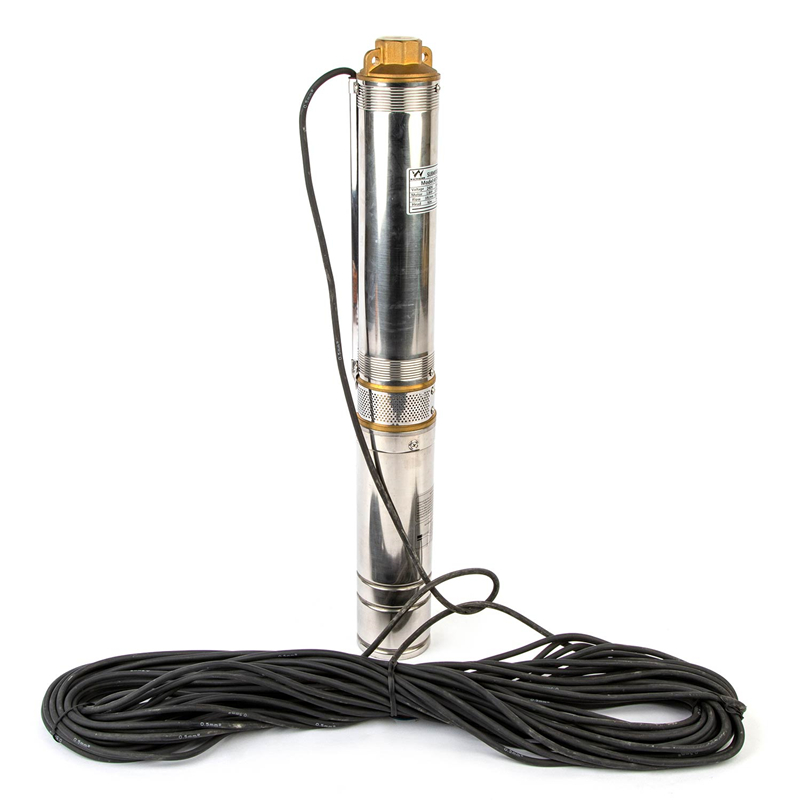
Comparing Water Well Pump Replacement Costs Across Different Models
When comparing water well pump replacement costs, it’s important to analyze the specifications and capabilities of different models. For example, submersible pumps are typically more expensive than jet pumps but offer greater efficiency and longer lifespan, making them a worthwhile investment in the long run.
Key factors to consider include:
Material: Pumps made from high-grade stainless steel or thermoplastic tend to have higher upfront costs but offer better durability and corrosion resistance, which can lead to lower long-term maintenance costs. Performance Ratings: Look for pumps with higher flow rates and better head ratings, as these will impact the pump's efficiency and longevity. Higher performance ratings may come with a higher initial cost, but they can reduce operational costs over time. Brand Reliability: Established manufacturers like Larissa Motor, known for producing high-quality electromechanical products, often provide greater assurances regarding performance and durability, which can justify a higher price point.By carefully comparing these factors, buyers can make informed choices that balance upfront costs with long-term operational efficiency.