Choosing the Right Submersible Pump for Your Project

Get a Professional Sourcing Quote

Our pump experts will review your request and reply within 12 hours.
Choose Your Needs Optional Business Type
Customization Requirements Optional
Email
Name
Company Name & Website
Message
0/1000

submersible pump

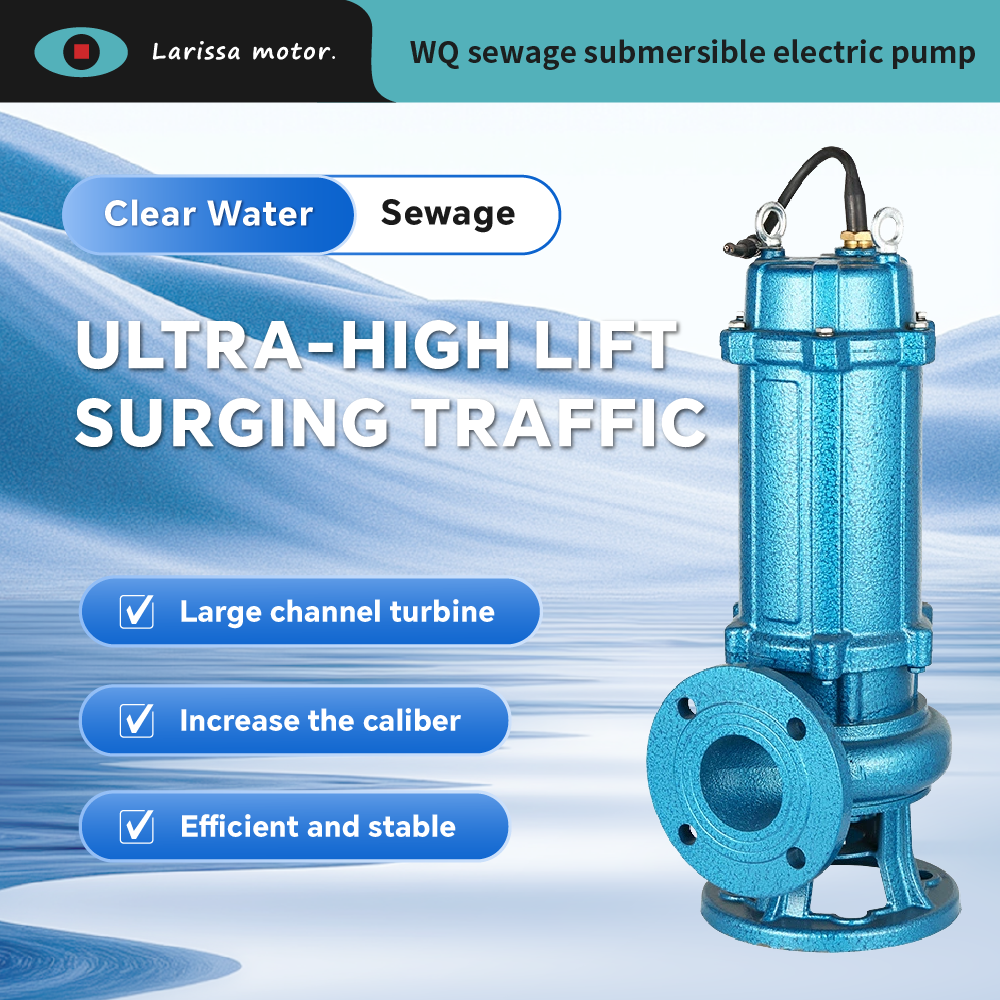
Submersible  pumps  are essential components in various industrial  and commercial applications, designed to  operate  while submerged in  liquids.  As a  B2B buyer,  you  may have concerns regarding performance, reliability, and  compatibility with  your specific application. This article will guide  you in understanding how to choose the right  submersible pump for your project needs, key  specifications  to consider, the benefits of  bulk orders,  and applications across  various  industries. For instance, exploring options like Solar Pumping Systems can enhance your project efficiency.
Key Specifications to Consider When Sourcing Submersible Pumps

Key Specifications to Consider When Sourcing Submersible Pumps

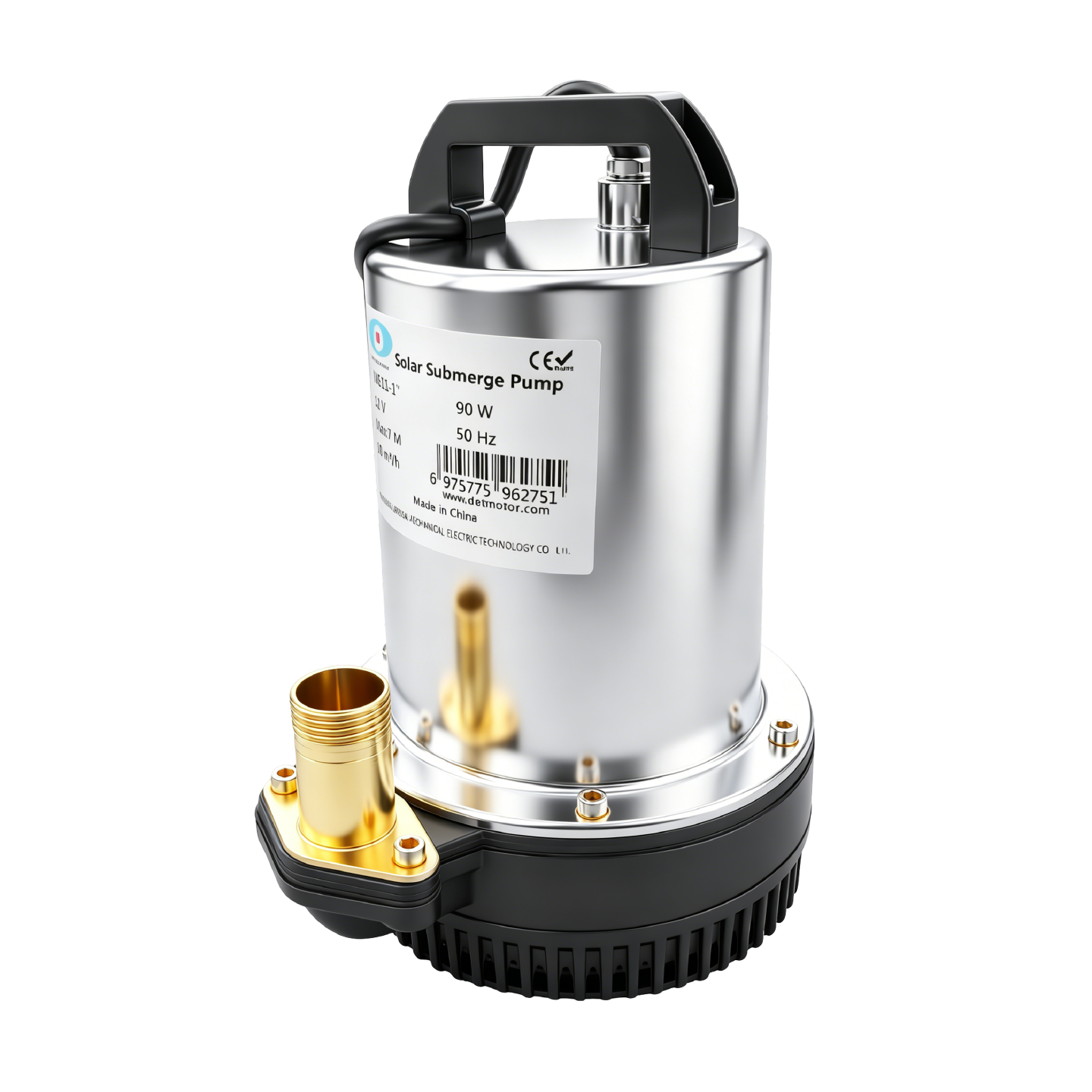
When sourcing submersible pumps, several  key specifications must be  evaluated to  ensure optimal performance:

Motor Power: The motor's horsepower determines the pump's efficiency and its ability  to handle  the required flow rate and head  pressure. A higher horsepower may be necessary for applications with  significant resistance.

Sealing Mechanism:  The type of sealing used (e.g.,  mechanical seals, lip seals) is crucial for  preventing leakage and protecting the motor from water damage. Proper sealing extends the pump's lifespan and performance.

Pump Size and  Design: The physical dimensions of the pump should fit within the installation space. Additionally, the  design should accommodate the specific fluid dynamics involved in your application.

Operating Temperature: Ensure the pump can operate  effectively within the temperature range of the liquids  being pumped. This is  particularly important for applications involving  hot or chemically aggressive  fluids.

Certifications and  Standards: Verify  that the pump complies with relevant industry  standards and certifications, such as ISO or CE, to ensure quality and reliability.
Benefits of Bulk Orders for Submersible Pumps

Benefits of Bulk Orders for Submersible Pumps

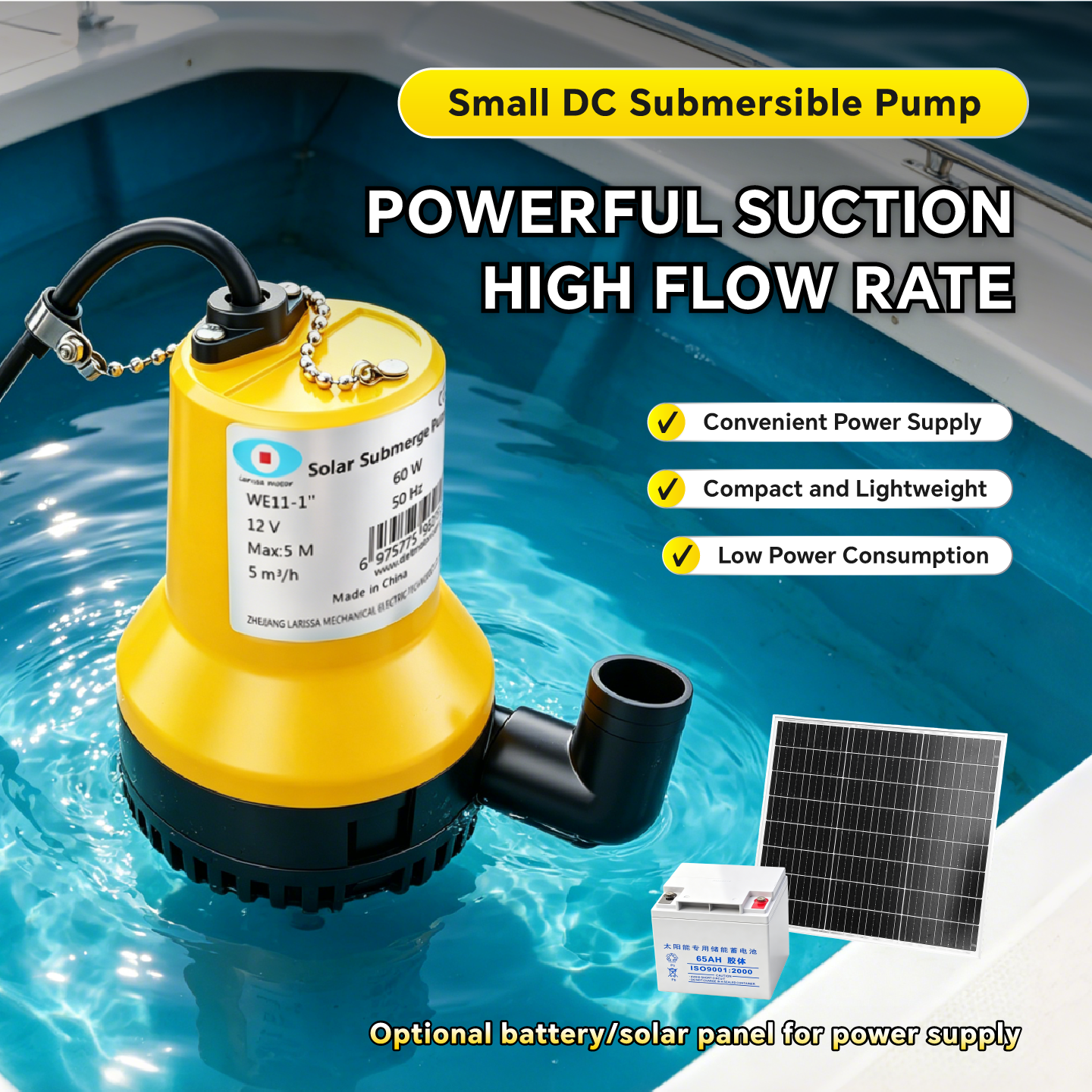
Ordering submersible pumps in  bulk  can provide significant advantages for businesses,  including:

Cost  Savings: Bulk purchasing often  leads  to reduced unit costs, which can significantly lower overall project expenses. Manufacturers may offer discounts for large  orders, making it a budget-friendly option.

Consistent Quality: Sourcing a larger quantity from a single  supplier ensures that all pumps meet the same quality standards and specifications, reducing the risk of  inconsistencies between  batches.

Streamlined Logistics: Managing fewer shipments  simplifies  logistics and  inventory  management. This can help prevent delays in project timelines  due  to unexpected supply chain disruptions.

Customization  Options: When ordering  in bulk, suppliers may be more  willing to accommodate specific customization requests, ensuring that the pumps meet your unique operational requirements. For example, Industrial & Mining projects may benefit from tailored solutions.

What to Know

What to Know

Before finalizing your submersible pump  order,  consider these important factors:

Minimum Order Quantity (MOQ): Understand the  supplier's MOQ, as this will influence your purchasing decision. Larissa Motor's in-house manufacturing capabilities may allow for flexibility in order sizes.

Lead Time: Confirm the  estimated lead time for production and  delivery. Custom orders may require additional time for design  and testing, so plan accordingly to  avoid project  delays.

Sample Approval: Request samples  before committing  to a bulk order. Testing a  sample under actual operating  conditions can confirm  performance  and compatibility with your systems.

Quality Control Processes: Inquire about the supplier's quality control measures. Reliable manufacturers will have established protocols to ensure  that each pump meets performance and safety standards.

Warranty and Support: Understand the  warranty terms  and the level of technical support offered by the  supplier. This  can impact long-term maintenance and operational efficiency.

Applications of Submersible Pumps in Various Industries

Submersible pumps are versatile tools  utilized across numerous industries, including:

Water and Wastewater Management: Commonly used for dewatering, sewage pumping, and effluent  treatment, ensuring efficient drainage and sanitation.

Agriculture: In irrigation systems, submersible pumps deliver  water from wells  or reservoirs to fields, optimizing crop yield  and resource management.

Construction:  Essential in  construction sites for dewatering excavations, preventing water accumulation  that can hinder project progress.

Mining: Used  to pump out water from mines, submersible  pumps help maintain  safe working  conditions and enhance operational efficiency.

Chemical Processing: These pumps are crucial for transferring various chemicals safely, requiring specialized materials to withstand  corrosive properties.

Understanding the  specifications, advantages, and applications  of submersible pumps  is vital for making informed purchasing decisions. By carefully evaluating your project requirements and collaborating with experienced manufacturers like Larissa Motor, you  can  ensure that you  select  the most suitable pump for your needs.

How to Choose the Right Submersible Pump for Your Project Needs

Selecting the  right  submersible pump involves understanding your specific requirements,  including the type of liquid being pumped, the depth of  submersion, and the pump's  intended application. Consider the following factors when making your choice:

Application Type: Identify whether the pump will be used for dewatering, sewage, or chemical transfer, as each application may require different features  and specifications.

Flow Rate and Head  Pressure:  Determine the required flow rate (measured  in gallons per minute or liters per second) and the head pressure (the height the pump must lift the liquid). Ensure the pump can meet  these requirements without overloading.

Material Compatibility: Assess the materials used in the pump's construction. For corrosive liquids, materials like stainless steel  or specialized polymers may  be necessary to prevent degradation.

Power Supply: Evaluate the power  supply available on-site. Submersible pumps can  be powered by electricity, diesel, or solar energy, and the choice  will affect installation  and operational  costs. If you're considering solar options, Solar Water Pumps might be an effective solution.

Customization Needs: If your project has unique demands, consider working with  a  manufacturer like Larissa Motor, which  offers customization options to meet specific performance criteria.

Get a Professional Sourcing Quote

Our pump experts will review your request and reply within 12 hours.
Choose Your Needs Optional Business Type
Customization Requirements Optional
Email
Name
Company Name & Website
Message
0/1000

Related product categories