Submersible Sump Pumps: Essential Insights for B2B Buyers

Get a Professional Sourcing Quote

Our pump experts will review your request and reply within 12 hours.
Choose Your Needs Optional Business Type
Customization Requirements Optional
Email
Name
Company Name & Website
Message
0/1000

submersible sump pump

Understanding the intricacies of  submersible sump pumps  is crucial  for B2B buyers across various sectors. These pumps  are essential for  efficiently managing water in basements, construction  sites, and industrial applications.  As a  purchasing  manager or  engineer,  your  primary concerns  likely  encompass  product performance, installation requirements, common  operational issues, and the overall  cost of ownership. This article aims to demystify these aspects, providing you with  practical  insights to make informed purchasing  decisions regarding submersible sump pumps.
Installation Guidance for Submersible Sump Pumps in Projects

Installation Guidance for Submersible Sump Pumps in Projects

Proper installation  of submersible sump pumps is crucial for optimal performance and longevity. Before  installation, assess the placement location to  ensure it is below the water table level. The sump pit should be large enough to accommodate the pump and allow for proper drainage. Typically, a pit diameter of 18 inches and  a depth of at least 24 inches is recommended.

It's essential to follow the manufacturer’s guidelines during installation,  particularly  regarding electrical  connections. Ensure that the  pump  is wired to a GFCI-protected circuit to prevent electrical hazards. If the pump requires a float switch, verify that it is installed  correctly to  prevent pump cycling  issues.

Additionally, consider the discharge  piping. Use rigid PVC piping for durability and ensure that the discharge line has an  appropriate slope to allow for  efficient drainage. If your project involves a high  head application, confirm  that the pump’s specifications suit the vertical lift required. For example, the Heavy-Duty Industrial Boiler Feed Water Pump for Hot Water Circulation & Heating Systems is designed for such applications.

Finally, always conduct a test run  after installation to ensure the pump operates  correctly. This will help identify any installation issues that need to be addressed before the  pump is put into regular service.
Common Problems with Submersible Sump Pumps and Solutions

Common Problems with Submersible Sump Pumps and Solutions

Submersible sump pumps, while reliable,  can encounter several common issues.  One frequent problem is pump failure  due  to overheating, often caused by running the  pump dry. To mitigate this risk,  install a float  switch that will turn off the pump when  water levels are low.

Another issue can arise from clogs in the pump or discharge line, particularly when debris enters the&nbsp; sump pit.&nbsp; Regular maintenance, including cleaning the pump&nbsp; and checking the&nbsp; pit for obstructions, can&nbsp; help prevent this problem. </p>

Vibration and noise can also be indicators&nbsp; of issues within the pump. These&nbsp; symptoms often signal that the impeller is damaged or that the pump is&nbsp; not correctly seated&nbsp; in the sump pit. In such cases, inspect the pump and, if necessary, consult the manufacturer for guidance or replacement parts.

Understanding these&nbsp; common pitfalls will enable you to take proactive measures, ensuring that your submersible sump pump operates&nbsp; efficiently and&nbsp; reliably.

Material Advantages of High-Quality Submersible Sump Pumps

Material Advantages of High-Quality Submersible Sump Pumps

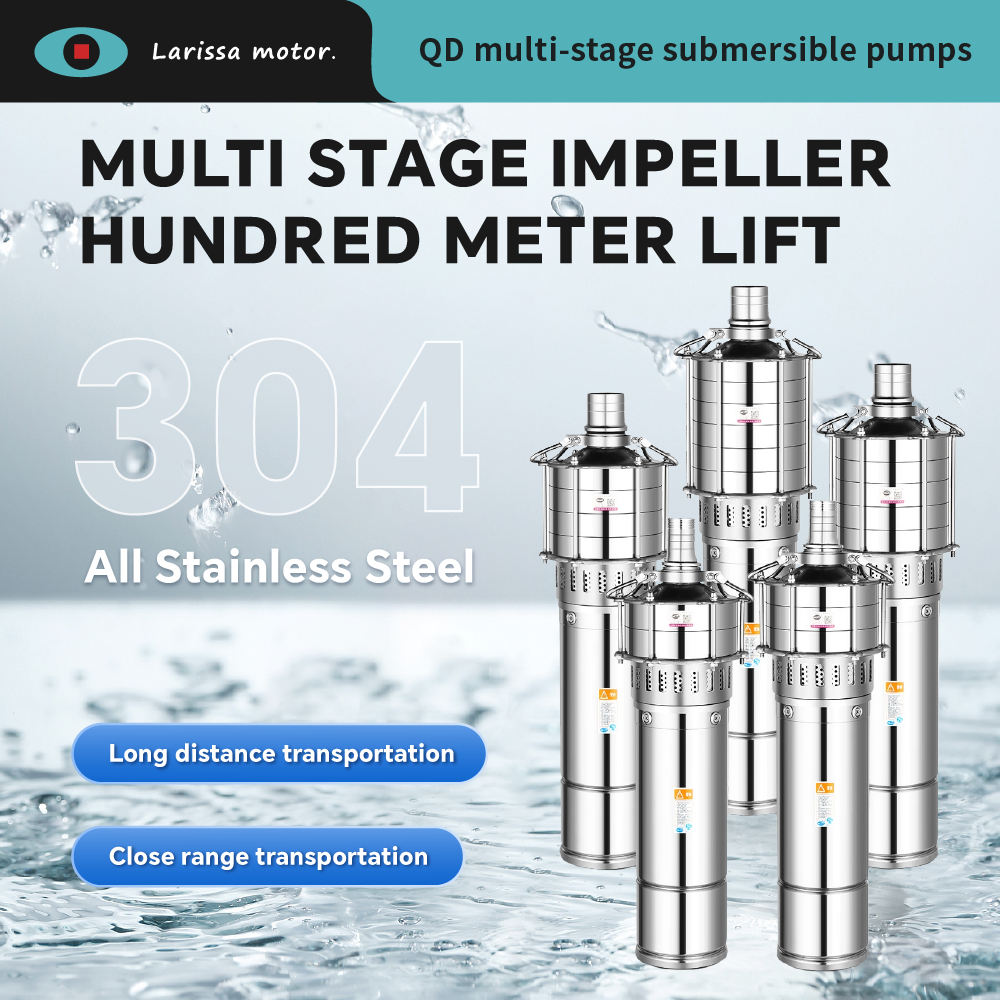
The materials used in submersible sump pumps play a crucial role in their performance&nbsp; and durability. High-quality&nbsp; pumps are typically constructed from materials such as&nbsp; stainless&nbsp; steel, cast iron, or durable thermoplastics. Each material offers distinct advantages.

Stainless steel is known&nbsp; for its corrosion resistance, making it ideal for applications involving chemical exposure or harsh environments. Cast iron, on&nbsp; the other hand, provides robustness and&nbsp; superior thermal&nbsp; conductivity,&nbsp; suitable for high-performance&nbsp; needs.&nbsp; Durable&nbsp; thermoplastics are lightweight and resistant to rust, making them a&nbsp; popular&nbsp; choice for residential applications.

When selecting a pump, consider the material's compatibility with the liquids it will handle. For example, if the pump will be&nbsp; used in environments with abrasive&nbsp; or corrosive substances, opting for a more resilient material will extend the pump's lifespan.&nbsp; Consulting with manufacturers like Larissa Motor can provide&nbsp; insights into the best material options&nbsp; for your&nbsp; specific application.

Applications of Submersible Sump Pumps in Various Industries

Submersible sump pumps find applications across multiple industries,&nbsp; each with unique requirements.&nbsp; In construction, these pumps&nbsp; are&nbsp; essential for dewatering excavated sites, ensuring&nbsp; safe&nbsp; working conditions. Their ability to manage large volumes&nbsp; of water quickly makes them invaluable during rainy seasons or when dealing with groundwater.

In the residential&nbsp; sector, sump pumps are&nbsp; commonly used to prevent basement flooding,&nbsp; protecting homeowners from water&nbsp; damage and mold growth. They are often equipped with backup systems&nbsp; to ensure&nbsp; continued operation during&nbsp; power outages.

In&nbsp; industrial settings, submersible pumps are utilized to manage wastewater and stormwater runoff.&nbsp; Their robust&nbsp; construction allows them to handle abrasive materials and chemicals, making them&nbsp; suitable for manufacturing and processing plants.</p>

Understanding the specific applications of submersible sump pumps can help you&nbsp; identify the right pump for your needs. Consider factors such as pump capacity, material,&nbsp; and any specialized features that may be necessary for your industry.

Understanding the Cost Factors of Submersible Sump Pumps

When evaluating the cost&nbsp; of&nbsp; submersible&nbsp; sump pumps, multiple factors come into play. First, the&nbsp; type of pump can&nbsp; significantly influence pricing. For instance, pumps with advanced features, such as variable speed controls&nbsp; or automated operation, generally come at a higher price. Additionally, the material used in the pump's construction — whether it's thermoplastic, stainless steel, or cast iron&nbsp; — can affect both&nbsp; the initial cost and long-term durability.

Another important consideration is&nbsp; the pump’s capacity and power rating. Higher capacity pumps, which can handle greater volumes of water, typically cost more. Furthermore, the complexity of the design and any customization requirements can also lead to&nbsp; variations in price. For&nbsp; manufacturers like&nbsp; Larissa Motor, who focus on advanced design and customization, the ability to&nbsp; tailor a product to meet&nbsp; specific application needs can result in a higher invoice but&nbsp; potentially lower maintenance costs and enhanced performance over&nbsp; time. For instance, the DC CPM Centrifugal Water Pump for Solar Irrigation & Agricultural Water Transfer showcases such customization.

Finally, don’t overlook the total&nbsp; cost of ownership. This includes installation expenses, maintenance, and energy consumption. Pumps designed for energy&nbsp; efficiency may have a higher upfront cost but can lead to significant savings in operational costs over time. A thorough understanding of these factors can help you forecast your budget&nbsp; more accurately.

Get a Professional Sourcing Quote

Our pump experts will review your request and reply within 12 hours.
Choose Your Needs Optional Business Type
Customization Requirements Optional
Email
Name
Company Name & Website
Message
0/1000

Related product categories