EN
EN

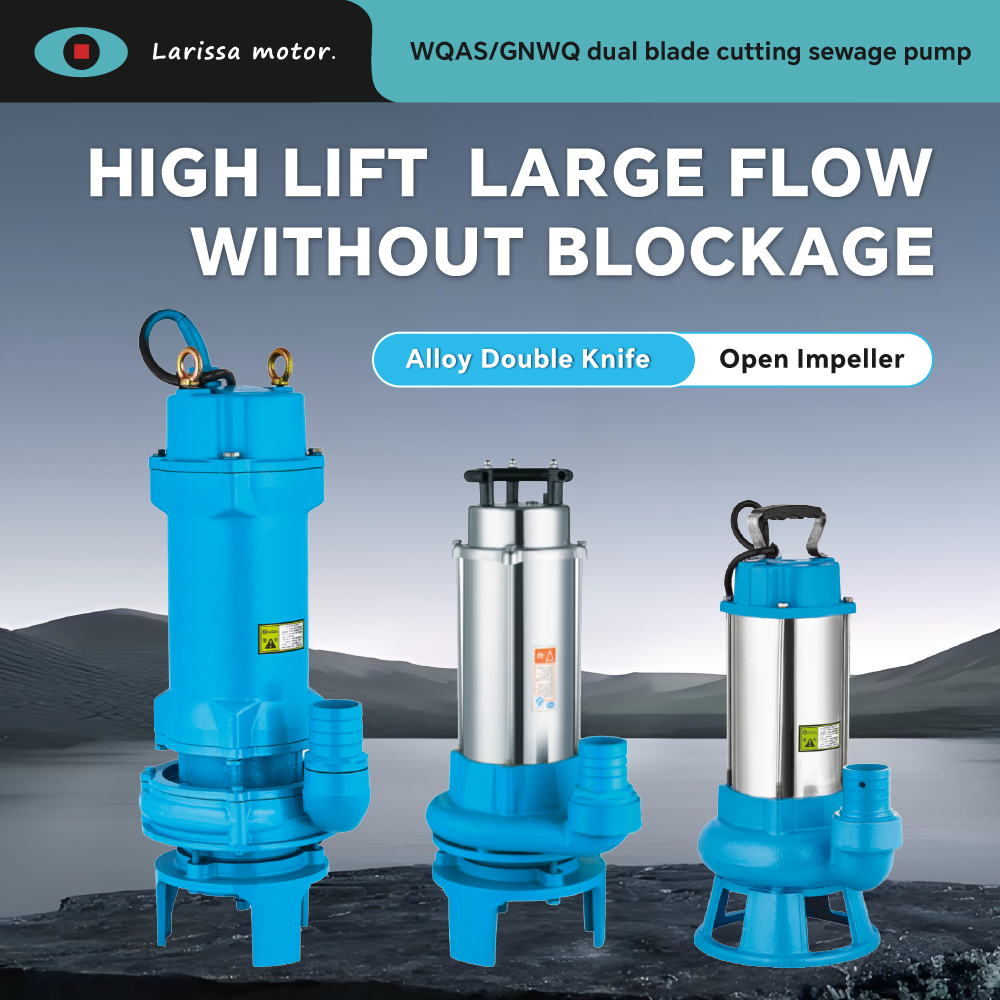
A sump pump is a vital component in managing water accumulation in basements and crawl spaces, helping prevent flooding and water damage. Understanding sump pump cost and the factors that influence pricing is essential for B2B buyers such as purchasing managers, contractors, and engineers. This article will guide you through selecting the right sump pump for your project needs, key considerations for contractors, material importance, common installation issues, and solutions that enhance your purchasing decisions.
What Buyers Should Know
When evaluating sump pumps, it's crucial to consider the total cost of ownership, which goes beyond the initial purchase price. Factors such as energy efficiency, maintenance requirements, and longevity should influence your decision. Look for pumps with durable construction and reliable performance, as these will likely reduce long-term operational costs. For example, the Heavy-Duty Industrial Boiler Feed Water Pump for Hot Water Circulation & Heating Systems is designed to withstand rigorous conditions and deliver consistent performance.
Understanding warranty options and service agreements is also vital. A longer warranty can indicate a manufacturer's confidence in their product's quality. Buyers should verify the manufacturer's quality control processes, as these directly impact the pump's reliability. Larissa Motor employs stringent quality control measures to ensure that every unit meets international standards, enhancing trust in the product.
Additionally, be aware of the minimum order quantity (MOQ) and lead times, as these can vary significantly between suppliers. Knowing these details upfront will help streamline your purchasing process.