Key Specifications for Sourcing Trash Pumps

Get a Professional Sourcing Quote

Our pump experts will review your request and reply within 12 hours.
Choose Your Needs Optional Business Type
Customization Requirements Optional
Email
Name
Company Name & Website
Message
0/1000

trash pump

Understanding the nuances of trash pumps is  essential for professionals in various industries, whether you're a  purchasing manager,  a  product manager, or an engineer. Trash pumps  are specialized pumps designed  to handle solids and debris  in fluids, making them critical for  applications like construction, wastewater management, and municipal operations. Key  buyer concerns typically revolve around performance, durability, cost, and  compatibility  with existing  systems.  This article aims  to  provide  a comprehensive  understanding of trash pumps, including key specifications  to  evaluate, cost factors, common problems  and solutions, applications across industries, and a comparison of top models.
Understanding the Cost Factors for Wholesale Trash Pumps

Understanding the Cost Factors for Wholesale Trash Pumps

Pricing for wholesale trash pumps can vary  widely based on several factors. Understanding these  cost determinants  can aid purchasing managers in making informed decisions.

Manufacturing Complexity: The complexity of the design and the materials used significantly influence costs. Pumps with advanced features, such as variable speed controls or custom impellers, may have  higher upfront costs  but  can  offer improved efficiency and longevity.

Production Volume: Wholesale pricing often benefits from economies of scale. Larger  orders  typically lead to reduced per-unit costs. Buyers should consider  their anticipated needs to maximize cost savings.

Customization: Many  manufacturers, including Larissa Motor, offer customization options to meet  specific application needs. While this  can increase the initial cost, tailored features can improve performance and reduce long-term operational costs.

Shipping  and Logistics: The cost of  shipping can impact overall expenses, particularly for large pumps or bulk orders. Factors such as distance from the manufacturer and shipping method  can affect the total cost.

Market Demand: Fluctuations in market  demand can influence pricing. Understanding  current market conditions and trends  can help buyers negotiate better deals and anticipate future costs.

By  considering these factors, buyers can better evaluate the total cost of ownership and make informed purchasing decisions.
Common Problems with Trash Pumps and Their Solutions

Common Problems with Trash Pumps and Their Solutions

Trash  pumps, while robust, can face several  operational challenges. Understanding  these common problems and their solutions can help buyers maintain efficiency and reduce downtime.

Clogging: Clogs are one of the most frequent issues,  especially when handling large solids. To mitigate this, buyers should ensure the  pump's solids handling capacity matches the expected debris size. Regular maintenance, including routine cleaning, can also help prevent clogs.

Overheating: Overheating can occur  if a pump is run dry or if the cooling system is inadequate. Users should ensure that the pump  is  always submerged in  fluid and should monitor operational temperature.  Implementing thermal protection can also help prevent damage.

Seal Failure: Seal failure can  lead to leaks, resulting in operational inefficiencies. Buyers should choose pumps with high-quality seals suited for the specific fluids being pumped. Regular  inspection and  maintenance of seals can prevent this issue.

Vibration and Noise: Excessive  vibration can indicate an imbalance  or misalignment. Conducting regular inspections and ensuring  proper installation can help mitigate these problems. Choosing  pumps designed for quiet operation can also be beneficial in noise-sensitive environments.

Understanding these common problems ensures that buyers can take proactive  measures to maintain  their pumps and  minimize unexpected failures.

Exploring Applications of Trash Pumps in Various Industries

Exploring Applications of Trash Pumps in Various Industries

Trash pumps find applications across  multiple industries, each with  unique requirements.

Construction: In construction, trash pumps are essential for dewatering sites, removing excess  water caused by rain or excavation. Their ability to handle solids makes  them ideal for muddy or debris-laden water.

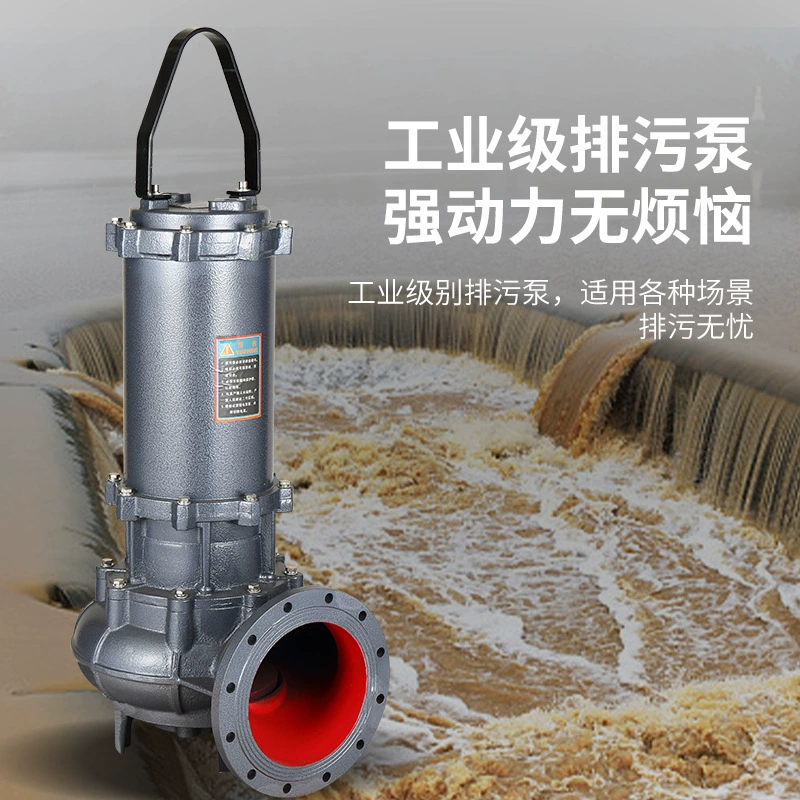
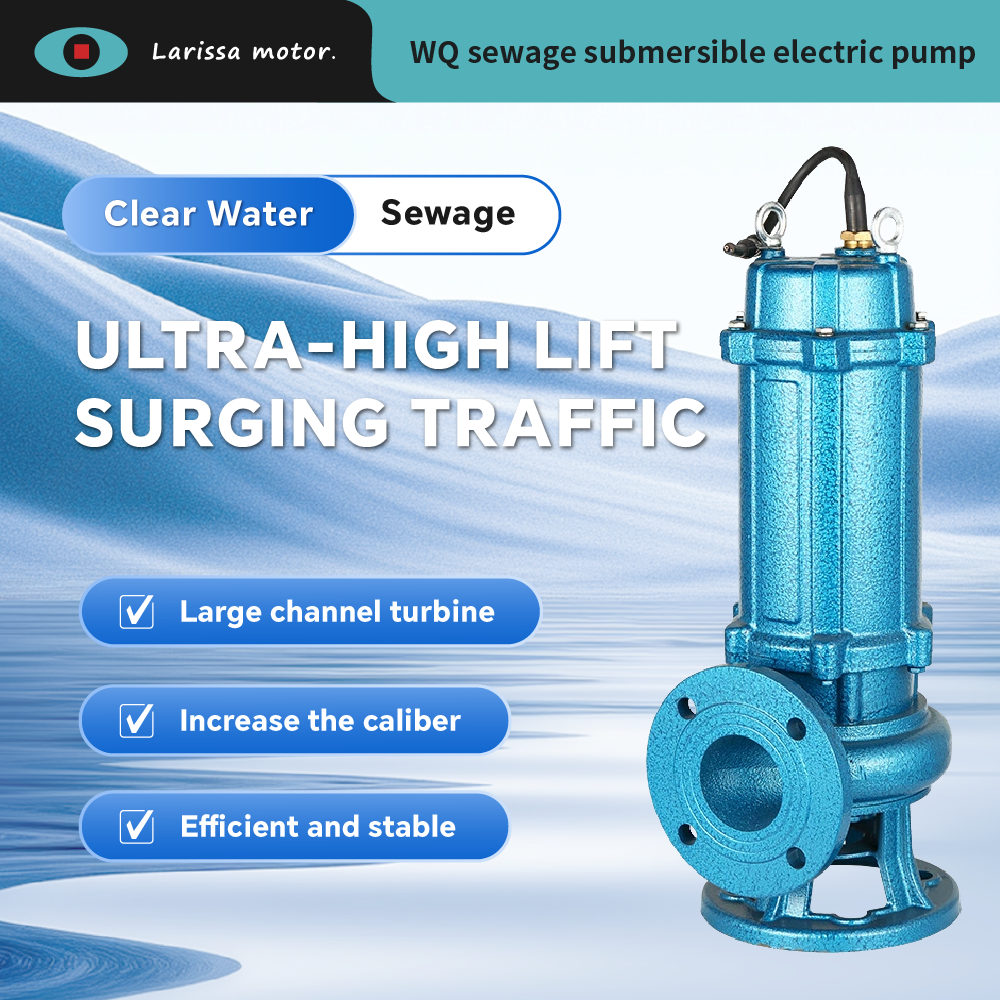
Wastewater Management: Municipalities use trash pumps in  wastewater treatment plants to move sewage and sludge.  Their robust design allows them to handle the challenging conditions  often found in wastewater applications, similar to the functionality of a Efficient Cutter Submersible Sewage Pump.

Mining: In mining operations, trash pumps are used to remove excess water from pits and shafts.  Their durability and capacity to handle abrasive  materials make them suitable for this harsh environment.

Flood Response: During flood events,  trash pumps are critical for  emergency response  efforts. Their portability  and ability to move large volumes of  water quickly can mitigate damage and accelerate recovery efforts.

Agriculture: In agriculture, trash pumps can be used  for irrigation and drainage, helping to manage water levels in  fields.  Their versatility allows for effective water management  in various farming operations.

By understanding the applications of trash pumps,  buyers can better assess their needs and  select the appropriate models for their specific contexts.

Comparing Features of Top Trash Pump Models for Buyers

When evaluating  trash pumps, comparing  features across models is crucial for making an informed decision. Here's a look at some important features to consider:

Power and  Efficiency: Compare the horsepower ratings and fuel efficiency across models. More powerful pumps may be necessary for heavy-duty applications, while  efficiency is  critical for reducing operational costs.

Portability: Some models come  with wheels or frames for  easy transport. If mobility is a concern, look for units that are lightweight and designed for easy  movement.

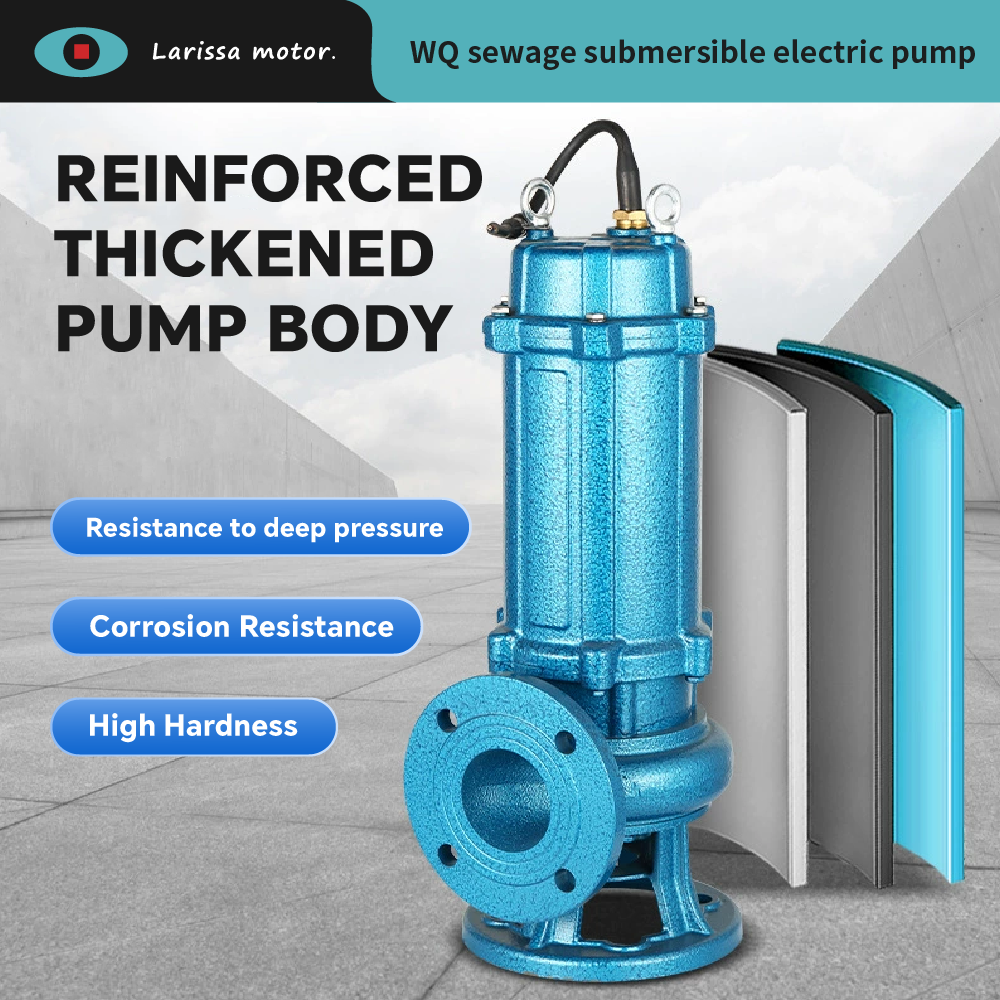
Durability: Examine  the materials used in  construction. Pumps made from corrosion-resistant materials or with protective coatings may have longer lifespans, especially in harsh environments.

Ease of Maintenance: Look  for  models with easy access to components  for maintenance. Features like quick-release impellers or accessible filters can significantly reduce downtime.

Warranty and Support: Consider the warranty offered by the manufacturer and the availability of customer support. A solid warranty indicates  confidence in product  quality, while responsive support  can assist with any issues that arise.

By comparing these features, buyers can make informed choices that align with their operational needs, ensuring they select the most suitable trash pump  for their applications.

Key Specifications to Evaluate When Sourcing Trash Pumps

When sourcing trash pumps, several critical specifications  must be evaluated to ensure they meet your operational requirements.

Flow  Rate: This refers to the volume of fluid the pump can move in a given time, typically measured in gallons per minute (GPM) or liters per minute (LPM). A higher flow rate is essential for applications needing rapid  fluid removal, such as in  construction sites or emergency  flood response.

Solids  Handling Capacity: Trash pumps are designed to handle solids, and this capacity is defined by the maximum particle size  the pump can  manage. Buyers should verify the pump's impeller design  and casing size to ensure it can handle the expected debris.

Material Construction:  The  material of  the pump is crucial for determining its durability and compatibility with the fluids being pumped.  Common materials include cast  iron, stainless steel, and  thermoplastic. Each material has its advantages; for instance, stainless steel is ideal for corrosive environments, while cast iron offers strength and longevity.

Power Source: Trash pumps can be powered by electricity, gasoline, or  diesel. The choice  of power source can affect operational costs and suitability for specific environments. Electric pumps are often quieter and require less maintenance, while gasoline or diesel pumps are preferred for remote locations.

Lift Capacity: This is the maximum height a pump can lift fluid vertically. It's crucial for applications where the discharge point is significantly higher than the fluid source. Buyers should ensure  the pump's lift capacity aligns with their operational needs.

Understanding these specifications will help buyers select the right trash pump for their specific application,  ensuring efficiency and  reliability. For instance, when considering options, models like the ZW Self-priming Centrifugal Sewage Pump can be a great choice for wastewater management.

Get a Professional Sourcing Quote

Our pump experts will review your request and reply within 12 hours.
Choose Your Needs Optional Business Type
Customization Requirements Optional
Email
Name
Company Name & Website
Message
0/1000

Related product categories