Choosing Submersible Fountain Pumps for Projects

Get a Professional Sourcing Quote

Our pump experts will review your request and reply within 12 hours.
Choose Your Needs Optional Business Type
Customization Requirements Optional
Email
Name
Company Name & Website
Message
0/1000

fountain pumps submersible

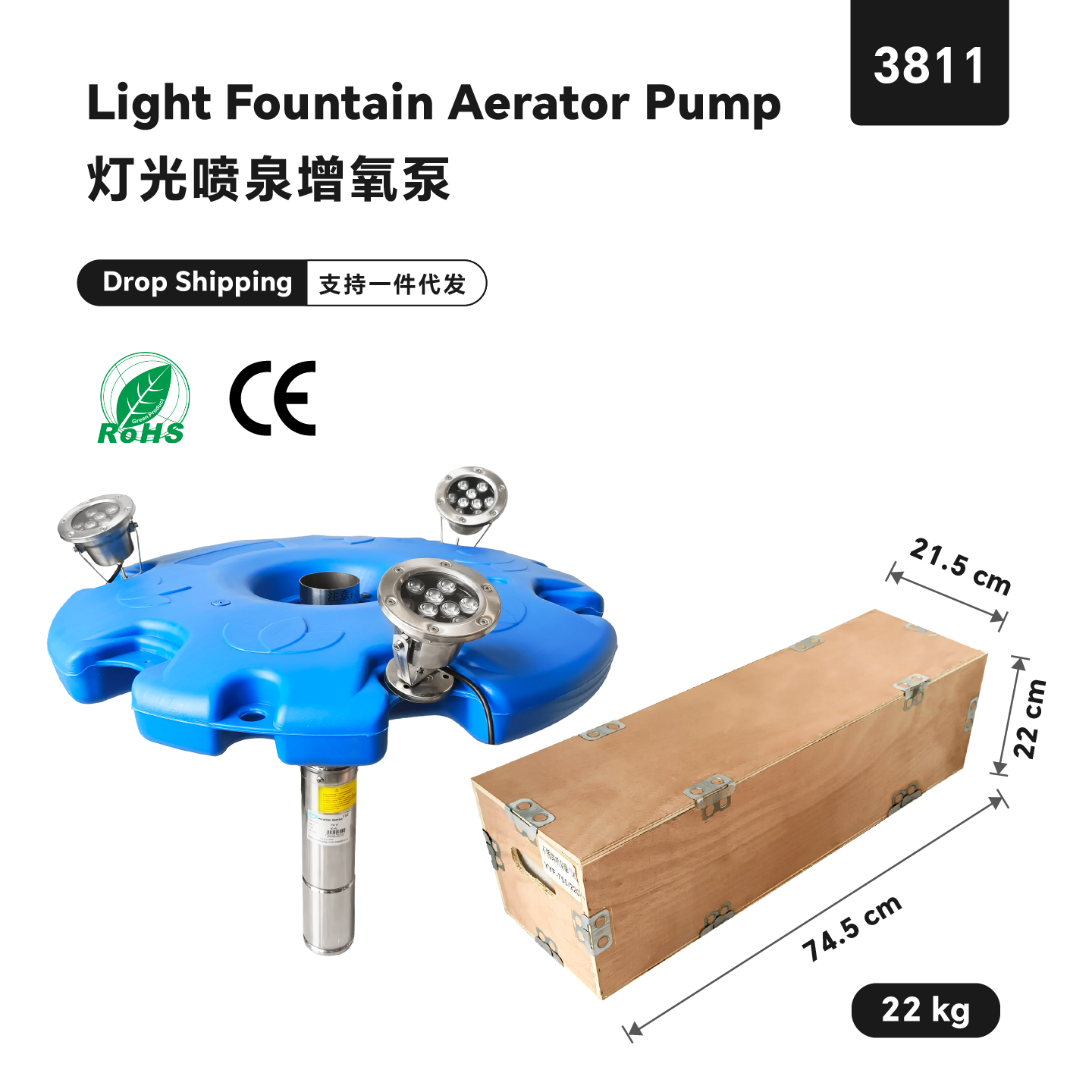
When  selecting fountain pumps  submersible  for a project,  it’s  crucial to understand various  aspects that ensure optimal  performance and  compatibility  with specific applications. These pumps are designed to operate  underwater, providing  an efficient solution  for  water circulation in fountains, ponds,  and other water features. This  article addresses key concerns for B2B buyers,  such as technical specifications, supplier reliability, cost factors, installation guidance,  and common issues encountered with  these  pumps.
 
Where to Find Reliable Suppliers for Wholesale Fountain Pumps

Where to Find Reliable Suppliers for Wholesale Fountain Pumps

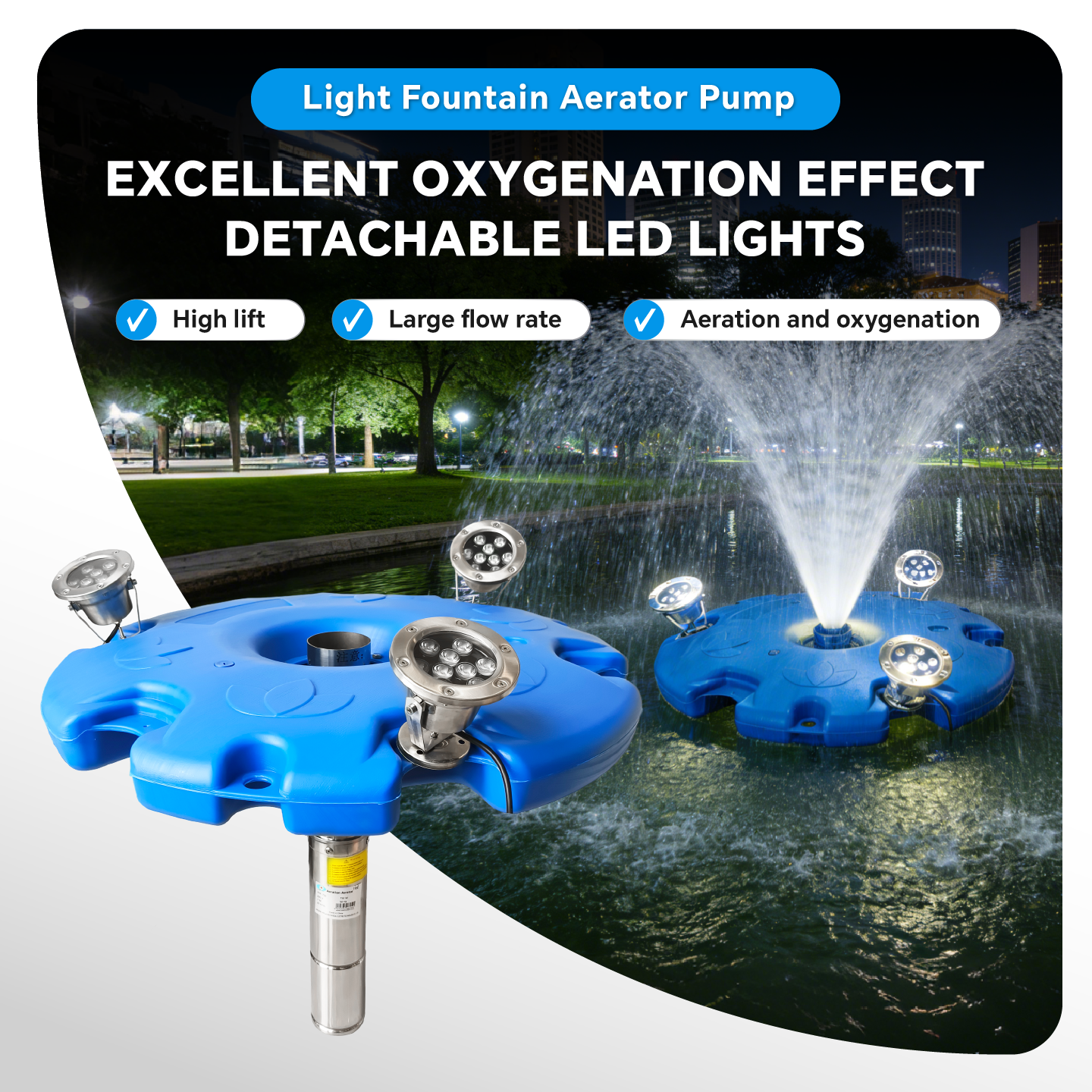
Finding reliable suppliers for  wholesale  fountain pumps submersible  requires a strategic approach. Start by researching manufacturers with a strong reputation  in the industry, such as Larissa Motor, known  for its high-quality  electromechanical products. Consider suppliers  that offer customization  options,  as this  can enhance the pump's compatibility with  your specific project  needs.

Utilize online B2B marketplaces, industry-specific trade shows, and professional networks to identify  potential suppliers. Read  reviews and testimonials  from previous clients to gauge their reliability and customer  service. Establishing communication with suppliers can also provide insights into their production capabilities, lead times, and quality  control processes.

When contacting suppliers, clearly outline your project requirements, including desired specifications,  quantities, and any  customization needs. This initial dialogue can help you evaluate their responsiveness and willingness to accommodate your needs. In addition, inquire about their experience in international markets if you  require export services, as this could impact shipping and compliance with regional standards.
Understanding the Cost Factors for Bulk Orders of Fountain Pumps

Understanding the Cost Factors for Bulk Orders of Fountain Pumps

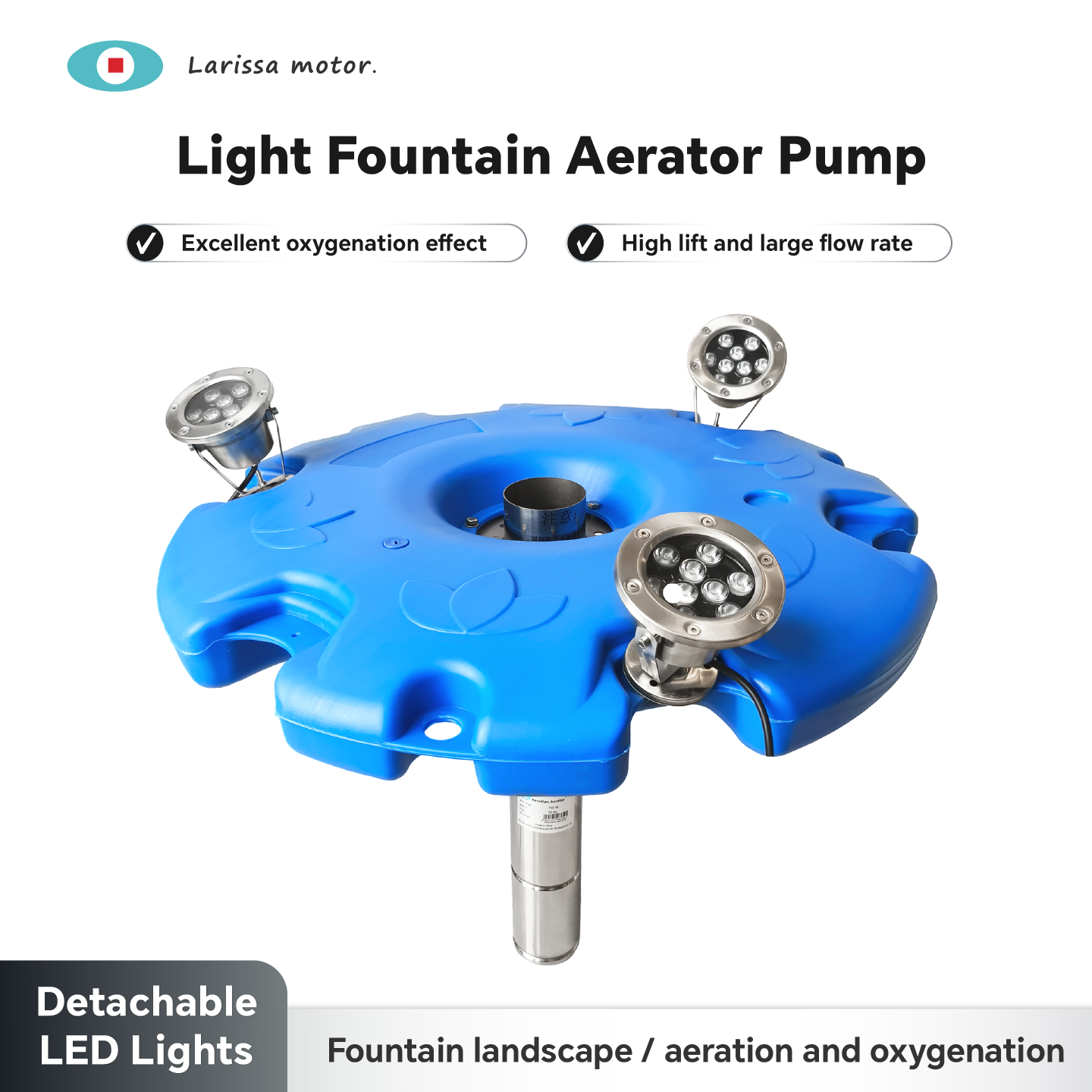
Cost  factors  for bulk orders of submersible  fountain pumps can vary based on several elements. The most significant factors include the  pump’s specifications, material quality, and  order volume. Generally, higher-quality materials and advanced features will  increase the initial purchase price.  However, investing in durable pumps  can lead to lower maintenance and replacement costs in the long run.

Volume pricing  is another essential consideration. Most manufacturers, including  Larissa Motor, offer discounts for larger orders, which can significantly reduce the per-unit cost. When negotiating prices, also inquire about minimum order  quantities (MOQs), as this can affect  your overall  budget.


Shipping costs  should not be overlooked, especially for international orders. Factors such as distance, shipping methods, and customs duties can  impact the total cost.  Ensure to account for  these expenses when calculating your budget for bulk  purchases. Lastly, consider the total cost of ownership, including installation and operational  costs, when evaluating pump options.

Installation Guidance for Efficient Use of Fountain Pumps

Installation Guidance for Efficient Use of Fountain Pumps

Proper installation is crucial for the efficient operation of  submersible  fountain pumps. Before installation, ensure  that the pump is suitable  for the specific water feature and that all necessary components,  including electrical connections and plumbing, are  in place. Review the manufacturer's installation guidelines carefully to  avoid issues during setup.

Begin by placing the pump in a stable, level position within the water source, ensuring  it is submerged  adequately to prevent air from entering the pump. The intake screen should be positioned away from debris to minimize clogging, which can  impair performance. When connecting the pump to the electrical supply, it's advisable  to utilize waterproof connections and circuit  protection to enhance safety.

After installation, conduct a  thorough inspection to ensure that all  connections are  secure and that the pump operates smoothly. Monitor the water flow and adjust  settings as  needed  to achieve the desired aesthetic in your fountain. Regular maintenance, including  cleaning the pump  and checking for wear, will prolong the pump's lifespan and maintain its efficiency.

Common Issues with Fountain Pumps and Their Solutions

Submersible fountain pumps can encounter various issues that may affect  their performance. One common problem is clogging, often caused by debris or sediment intake. Regular cleaning of the pump's intake screen can help prevent this issue. In cases where the pump becomes noisy  or vibrates excessively, it may indicate improper installation  or  that it is  not adequately submerged. Ensuring the correct  placement can  alleviate these symptoms.

Another issue is the pump failing to start or operating intermittently. This  may stem from electrical problems such as faulty connections or a tripped  circuit breaker. Always verify  the electrical supply and connections. If the pump continues to malfunction,  consult the manufacturer's support for troubleshooting advice or replacement options.

Lastly, if the  pump is not  providing adequate water flow, check for blockages in the discharge line or verify that the pump's specifications meet the requirements of your application.  Regular maintenance and inspections can help identify these issues early, ensuring the continuous operation of your fountain feature.

By understanding these key considerations,  B2B buyers can  make  informed decisions when selecting submersible fountain pumps for  their projects, ensuring efficiency  and reliability  in their applications.

Choosing the Right Submersible Fountain Pumps for Your Project Needs

Selecting the right submersible fountain pump  involves several critical  considerations. First, evaluate  the pump's flow rate, typically measured in gallons per minute (GPM) or liters per hour (LPH). This specification indicates  how much water the pump can circulate, which is essential for achieving the desired effect in your fountain or water  feature. A  pump with a higher flow rate is necessary for larger installations, while  smaller setups  can utilize  pumps with lower flow rates.

Another important factor is the pump's head height, which measures the vertical  distance the pump can lift  water. Ensure that the head height is  suitable for your fountain  design, as an  insufficient height may lead to inadequate water flow. Additionally, consider the materials used in the pump’s construction.  Corrosion-resistant materials, such as stainless steel or  high-grade plastics, are preferable for durability, especially in outdoor or harsh environments.

Compatibility with your fountain's electrical requirements is  also  vital. Confirm the voltage and wattage  specifications to ensure safe operation. Lastly, always account for the pump's energy efficiency, as  more efficient models can significantly reduce operational costs over time.

Get a Professional Sourcing Quote

Our pump experts will review your request and reply within 12 hours.
Choose Your Needs Optional Business Type
Customization Requirements Optional
Email
Name
Company Name & Website
Message
0/1000

Related product categories