Water Fountain Water Pump Specifications for Buyers

Get a Professional Sourcing Quote

Our pump experts will review your request and reply within 12 hours.
Choose Your Needs Optional Business Type
Customization Requirements Optional
Email
Name
Company Name & Website
Message
0/1000

water fountain water pump

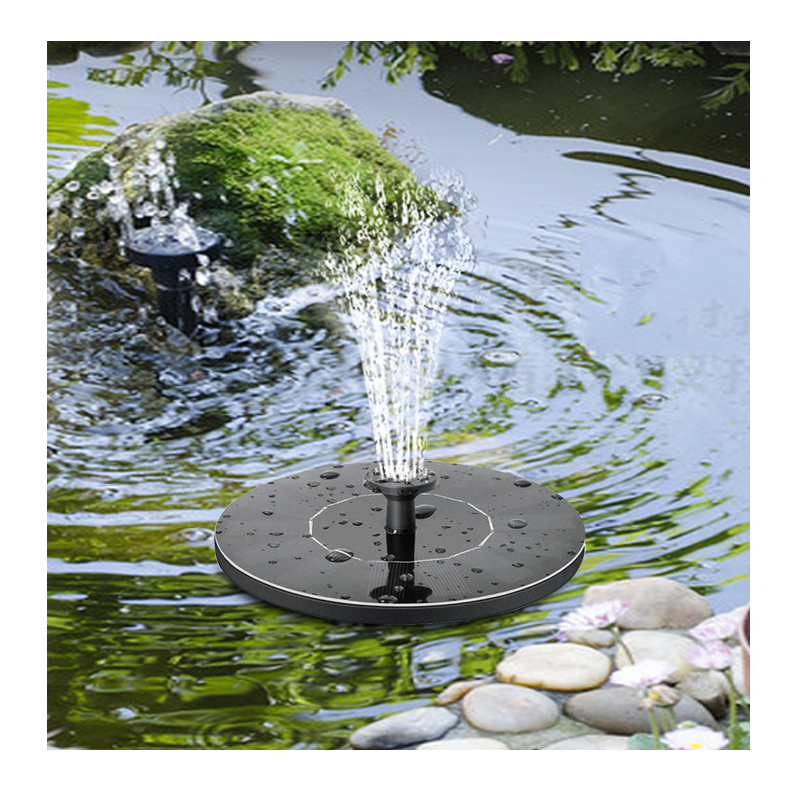
Water fountain water  pumps are essential  components that ensure the proper  circulation and movement of water, creating  a visually appealing and functional  fountain. For purchasing managers and engineers, understanding  the specifications and functionality of these pumps is  crucial for selecting the right product that  meets  both  performance and  durability requirements. , we will  explore key considerations for buyers,  including specifications, cost factors, common  issues, applications,  and material advantages,  helping you make informed  decisions in your  sourcing  process. For instance, understanding the role of Solar Pumping Systems can further enhance your options.
 
Cost Factors to Consider When Sourcing Water Fountain Pumps

Cost Factors to Consider When Sourcing Water Fountain Pumps

The cost of water fountain water pumps can vary significantly based on several factors. Understanding these can help buyers  budget effectively and avoid unexpected expenses.

Material  Quality: Pumps made from  high-grade materials  such  as  stainless steel or high-quality plastics typically have  a higher upfront cost but offer greater durability and resistance to corrosion, ultimately leading to lower long-term maintenance costs.

Customization: Custom-designed pumps may incur additional costs. Buyers should evaluate  the need for specific features—like adjustable flow rates or unique  fittings—against the potential benefits these features provide.

Brand Reputation: Established manufacturers with a strong  reputation, such as Larissa Motor, often offer products that meet international standards, which  may come at a premium but can  guarantee reliability  and quality.


Lead Time  and Shipping: Longer  lead times can lead  to increased costs due to delays in project timelines. It’s essential to factor in shipping costs, especially for international orders, which can affect the  overall budget.

By considering these  factors, buyers  can make more informed decisions that align with both their budget and project timelines.
Common Problems with Water Fountain Pumps and Their Solutions

Common Problems with Water Fountain Pumps and Their Solutions

Water fountain pumps can encounter various issues that may  disrupt their operation.  Identifying these common problems  and their solutions is crucial for maintaining efficient performance.

Clogging: Debris and algae buildup can clog the pump, reducing flow rate. Regular maintenance,  including cleaning  filters and inspecting pump components, can mitigate this issue.

Overheating:  Pumps  may overheat if they are running dry or are not adequately cooled by the water. Ensuring the pump is submerged to  the  recommended depth can prevent overheating.


Noise: Excessive noise from  a pump can indicate mechanical  issues or improper installation.  Ensuring that  the pump is securely mounted and checking for any loose components can help reduce operational noise.

Water Leaks: Leaks can arise  due to worn seals or improper connections. Regular inspections and  replacing any faulty parts promptly can help maintain pump integrity.

By being  proactive about  these potential issues,  buyers can enhance the longevity and reliability of their  water fountain pumps.

Applications of Water Fountain Water Pumps in Various Projects

Applications of Water Fountain Water Pumps in Various Projects

Water  fountain water  pumps are versatile and can be  used in a  wide range of applications, each requiring specific considerations.

Commercial Fountains: In retail spaces or public areas, decorative fountains enhance aesthetic appeal. Pumps used in these installations need to ensure consistent water flow and visual  impact.

Residential Fountains: Homeowners often install smaller  fountains for relaxation  and ambiance. Energy-efficient pumps are ideal for  these applications to minimize electricity  costs.

Landscape  Features: Water features in landscaping  projects, such as ponds or waterfalls, require pumps that can handle varying water levels and  provide sufficient pressure to create desired effects.

Aquatic Displays: In  aquariums or aquatic-themed exhibits, precise flow rates  are critical for maintaining aquatic health. Pumps must be  selected based on the  specific  water volume and species requirements.

Understanding these applications helps buyers  select pumps that not only  fit the aesthetic requirements but also meet the technical needs of  the project. For example, Industrial Water Pumps play a vital role in many of these settings.

Evaluating Material Advantages in Water Fountain Pump Designs

The materials used in water fountain pump construction significantly influence their  performance, durability, and  maintenance requirements. Here are some common materials and their advantages: 


Stainless Steel:  Pumps constructed from stainless steel offer excellent resistance to corrosion and wear. This makes them  ideal for outdoor  installations where exposure to elements is prevalent. They are also easier  to clean and maintain.

Plastic: While  typically less  durable than metal, high-quality  plastics can be lightweight and resistant to certain chemicals, making them suitable for  smaller, less  demanding applications. They are often more affordable and can be molded into various shapes.

Bronze: Bronze pumps provide a blend of strength and corrosion resistance, making them suitable for applications in saltwater environments  or regions with high  humidity.

When  sourcing pumps, buyers should consider the environmental conditions in which the pump will operate  and choose materials that will enhance longevity and reliability.

In summary, selecting a water fountain water pump requires careful consideration of  specifications, cost factors, common issues,  applications, and  materials. By understanding these elements, B2B buyers can  make informed decisions that ensure optimal performance and satisfaction in their projects.

Understanding Water Fountain Water Pump Specifications for Buyers

When evaluating water fountain  water pumps,  several specifications are critical  to ensure optimal performance. Key specifications to  consider include flow rate, head height, and power consumption.

Flow Rate: This measurement indicates the  volume of water the pump  can  move  in a given time, typically expressed in gallons per minute (GPM) or liters per minute  (LPM).  A higher flow rate is essential for larger fountains or those  with  multiple  water features.

Head Height: This refers to the maximum height the  pump can lift water. It's crucial to match the pump's head height with the fountain  design to ensure adequate water flow and pressure.

Power  Consumption: Understanding the  pump's energy efficiency  can help manage operational costs. Look for pumps with lower wattage that can still deliver required performance levels.

Buyers should also consider the pump's compatibility with their fountain's design and specific application requirements. For example, submersible pumps are ideal for submerged  applications,  while external pumps are better suited for larger or decorative fountains.

Get a Professional Sourcing Quote

Our pump experts will review your request and reply within 12 hours.
Choose Your Needs Optional Business Type
Customization Requirements Optional
Email
Name
Company Name & Website
Message
0/1000

Related product categories