EN
EN
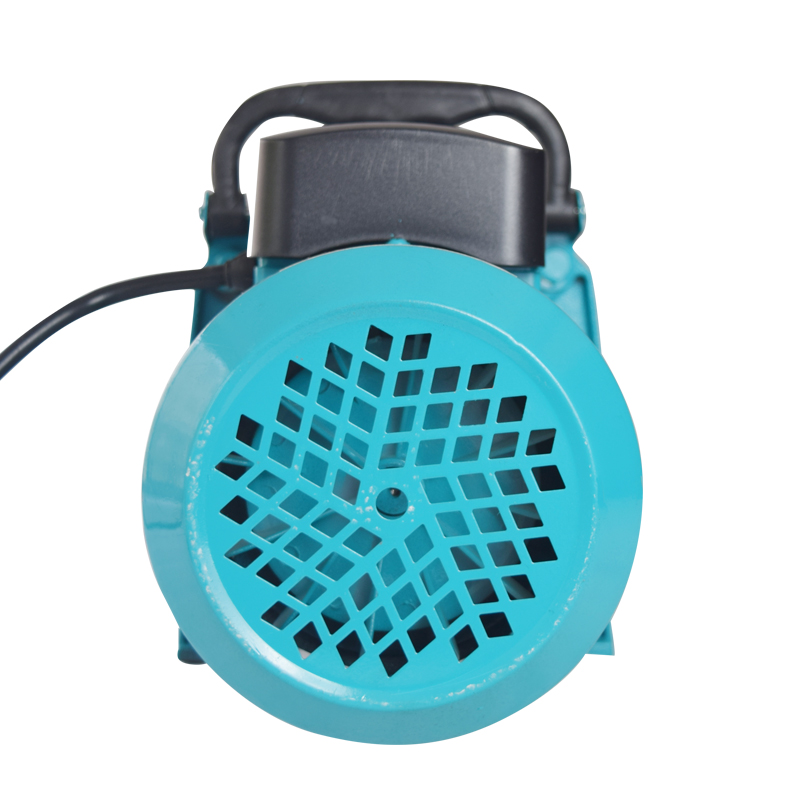
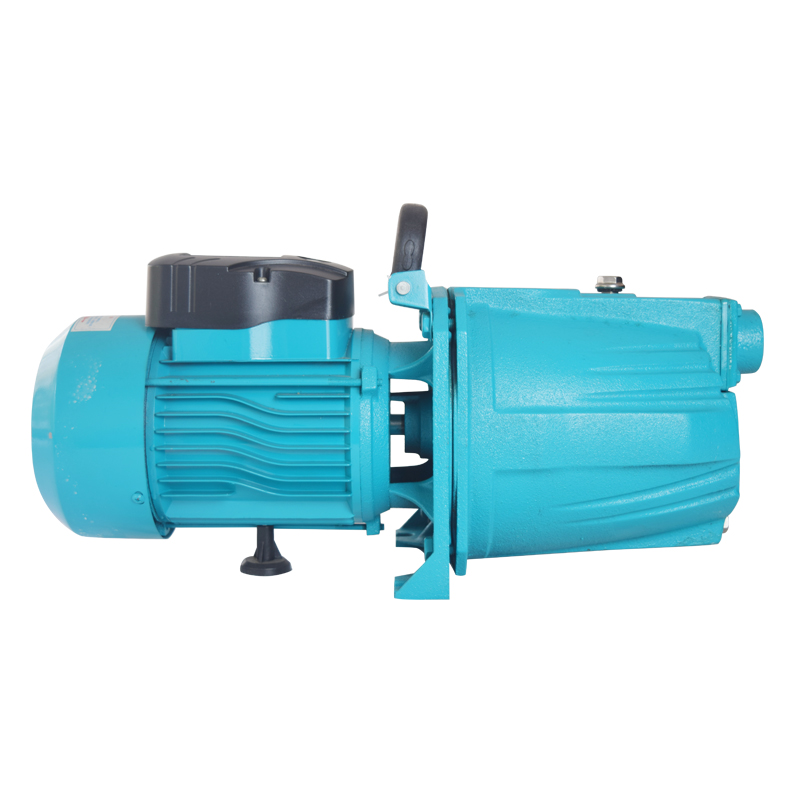
Ejector pumps for sewage are vital components in managing wastewater in various industrial and commercial applications. These pumps are designed to move sewage and wastewater from lower to higher elevation, ensuring efficient drainage and sanitation. Purchasing managers and engineers often have concerns regarding specifications, material quality, and supplier reliability. This article will provide essential insights into selecting the right ejector pump for your needs, covering key specifications, features, investment understanding, supplier sourcing, and expert insights on performance and materials.
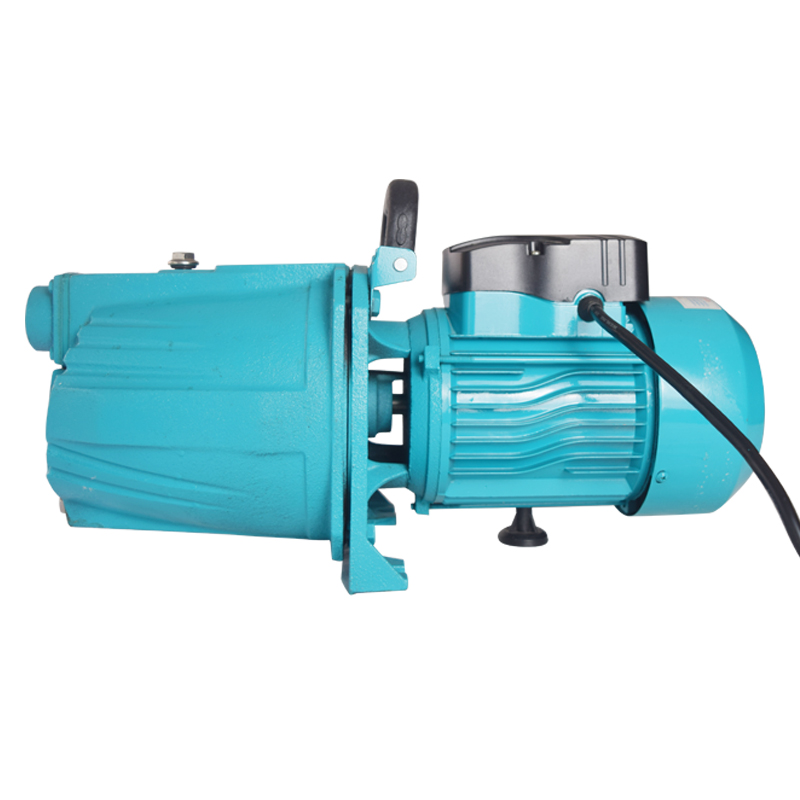
Features and Benefits for Contractors
Ejector pumps for sewage come with various features that can significantly benefit contractors and operators:
Automatic Operation: Many modern ejector pumps include automatic float switches or sensors that activate the pump when sewage levels rise, minimizing the need for manual intervention and reducing labor costs.
Durability: High-quality construction materials and design contribute to the pump's ability to withstand the harsh conditions often found in sewage applications, leading to reduced maintenance and replacement costs.
Customization: Manufacturers like Larissa Motor offer customization options, allowing contractors to tailor the pump specifications to specific project needs, ensuring optimal performance.
Compact Design: Many ejector pumps feature a compact design that makes them easy to install in tight spaces, which is often a critical consideration for contractors working in urban environments.
Noise Reduction: Some pumps are designed with noise-reducing features, which can be beneficial in residential areas or other sensitive environments where noise pollution is a concern.
These features not only improve operational efficiency but also enhance the overall project execution, making them an attractive choice for contractors. Furthermore, when looking for reliable options, consider Water Pump Accessories to complement your selection.