EN
EN
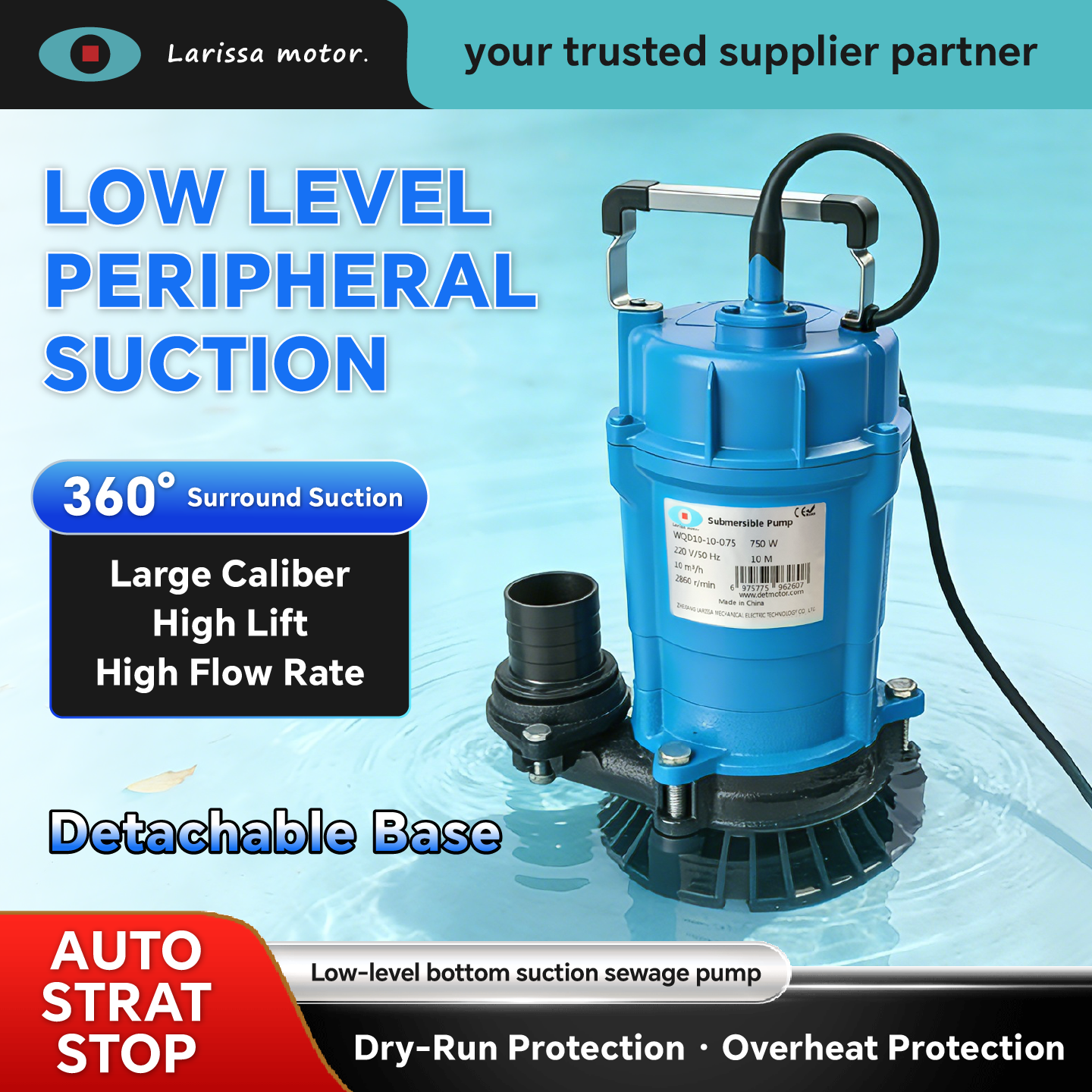
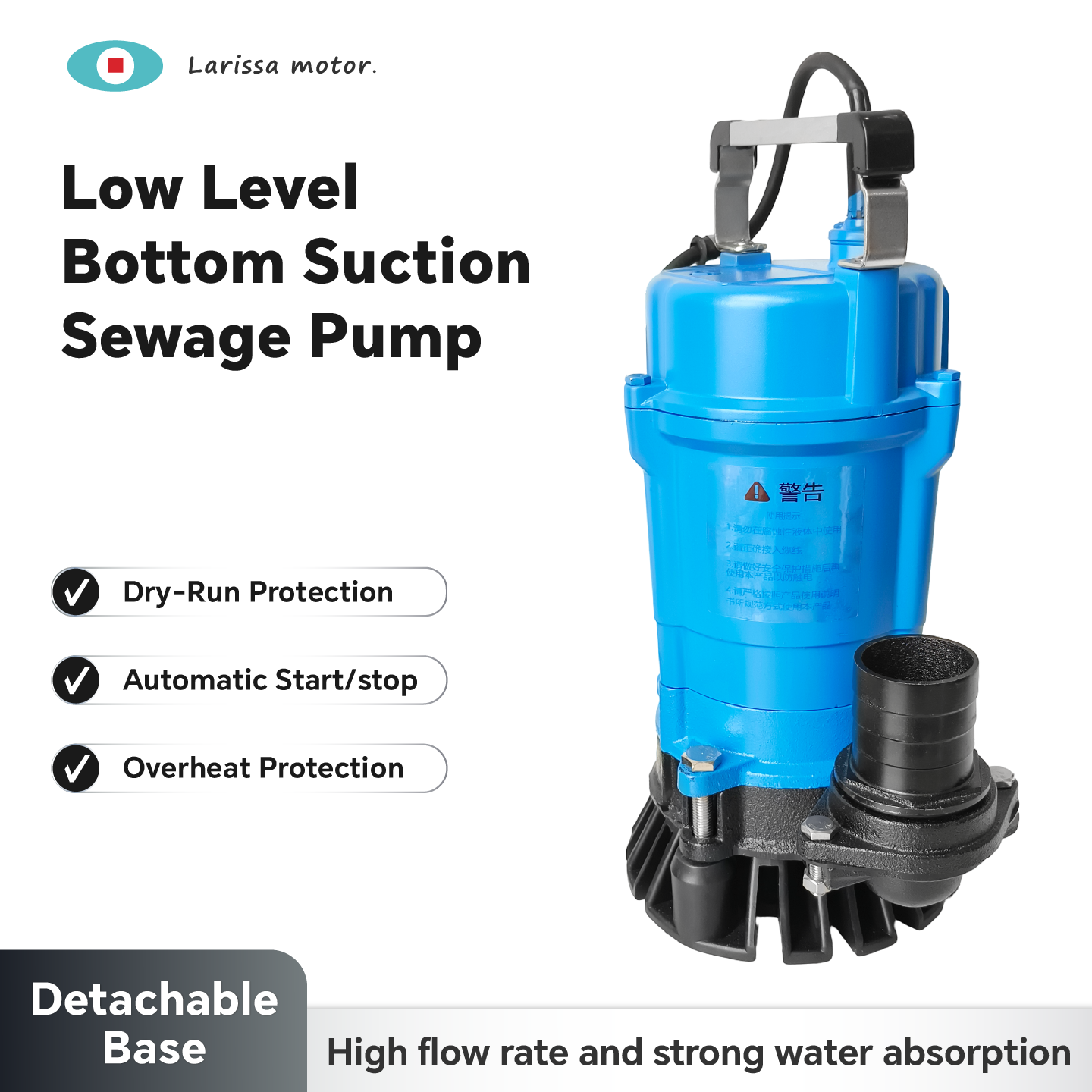
Sewage pumps are essential electromechanical devices designed to transport wastewater and sewage from lower to higher elevations, ensuring proper disposal and treatment. For B2B buyers, such as purchasing managers and engineers, the selection of sewage pumps involves critical considerations regarding performance, reliability, and cost-effectiveness. This article aims to provide a comprehensive understanding of key specifications, supplier evaluation, common challenges, and applications, enabling informed purchasing decisions.
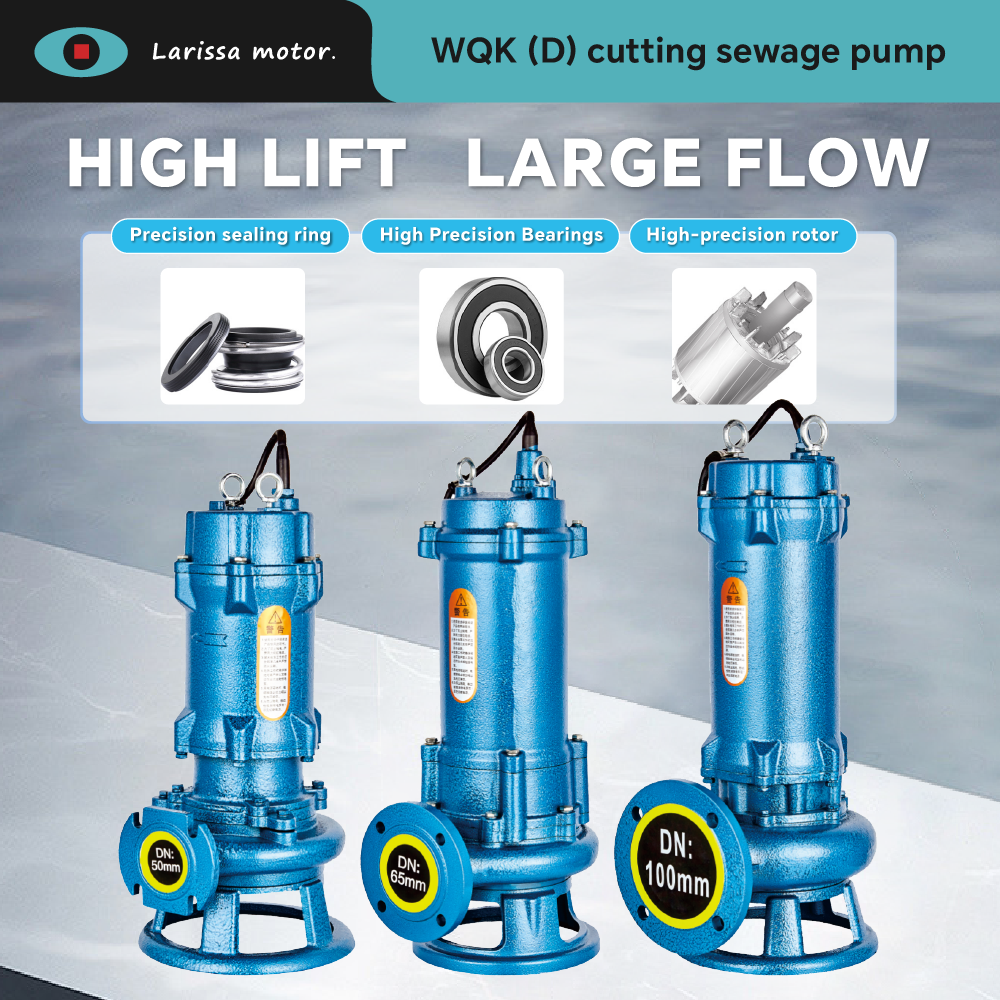
Finding Reliable Sewage Pump Suppliers
Choosing the right supplier is as critical as selecting the pump itself. Here are some key factors to consider:
Industry Experience: Suppliers with a long history in manufacturing sewage pumps are likely to have refined their processes and product offerings. Companies like Larissa Motor, with over 25 years in the industry, provide assurances of quality and reliability.
Customization Capabilities: Depending on the specific application, the ability to customize pump designs can be crucial. Suppliers offering tailored solutions can better meet unique operational demands.
Certifications and Standards: Ensure that the supplier adheres to international quality standards. Certifications can indicate a commitment to quality control and compliance with safety regulations.
Customer Support and Service: Reliable after-sales support, including maintenance services and technical assistance, is vital for long-term operational success. This support can minimize downtime and ensure efficient operation.
Market Reach: A supplier with experience in global markets, like Larissa Motor’s operations in Europe, can provide insights into compliance and performance expectations in different regions.
Evaluating suppliers against these criteria can help buyers find reliable partners for their sewage pump needs.