Choosing the Right Solar Submersible Pump

Get a Professional Sourcing Quote

Our pump experts will review your request and reply within 12 hours.
Choose Your Needs Optional Business Type
Customization Requirements Optional
Email
Name
Company Name & Website
Message
0/1000

solar submersible pump

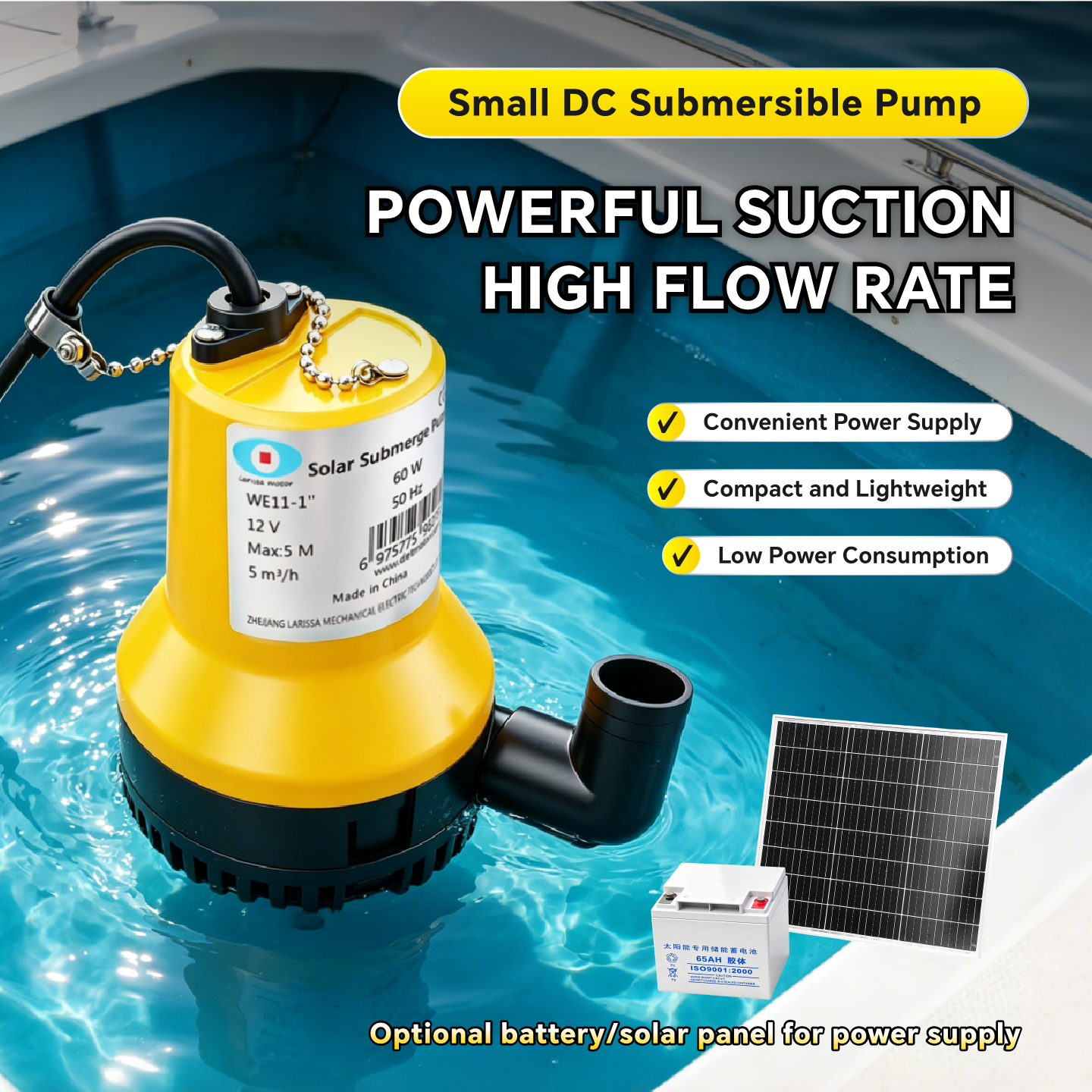
Solar  submersible  pumps are essential  devices  designed to operate underwater, drawing  water from deep wells or  boreholes  using solar energy as their power source. These pumps  are increasingly popular among B2B buyers, such as purchasing managers,  engineers, and distributors, due to  their energy  efficiency  and reduced  operational costs. This article  will provide insights into selecting  the right  solar submersible pump  for various applications, finding reliable suppliers,  best practices for usage, industry applications, and common issues with  these pumps along with their solutions.
Finding Reliable Suppliers for Solar Pumps

Finding Reliable Suppliers for Solar Pumps

Finding a dependable supplier for solar submersible pumps is  vital to ensure quality and  performance. Start by evaluating suppliers based on their experience  in the industry, manufacturing capabilities, and  product offerings.


When assessing  potential suppliers:

Check Certifications:  Ensure the  manufacturer meets international standards,  which can reflect  their  commitment to quality and safety. In-House Manufacturing: Suppliers like Larissa Motor, known for their in-house development, can provide greater control over product quality and customization  options. Customization Capabilities: A supplier that offers customizable solutions can better  meet your specific requirements, from  pump specifications to packaging methods. Export Experience:  Suppliers with a strong export market presence, particularly in Europe, often  have established  quality control processes  and can assure compliance with regional regulations.

Additionally,  request product samples to evaluate performance and durability before placing  a bulk order.
Best Practices

Best Practices

To maximize the  effectiveness and lifespan of solar submersible pumps, consider implementing the following  best  practices:

Regular Maintenance: Schedule  regular inspections and maintenance checks to ensure optimal performance. This  includes checking for wear and tear, cleaning filters,  and inspecting electrical connections. Proper  Installation: Ensure the pump is installed according to the  manufacturer's specifications. Incorrect installation can lead  to operational issues and reduced efficiency.  Solar Panel Orientation: Position solar panels to receive maximum sunlight exposure throughout the day. Regularly clean the panels to  remove dirt and debris that could block sunlight. Monitor Performance: Keep track of the pump’s  performance metrics, including flow rate and energy  consumption, to identify  potential issues early.

By  following these practices,  you  can  enhance the efficiency and reliability  of your solar  submersible pump system.

Applications of Solar Submersible Pumps in Various Industries

Applications of Solar Submersible Pumps in Various Industries

Solar submersible pumps find applications across diverse sectors, thanks to their versatility and efficiency. Key industries include:

Agriculture: Used for irrigation purposes, these pumps  help farmers access groundwater  while minimizing energy  costs. Livestock: Farmers can utilize solar pumps to provide reliable water  sources for livestock, ensuring hydration  in remote areas. Residential  Use: In  rural areas,  homeowners can rely on solar  pumps for domestic water supply, reducing dependence on  grid electricity. Industrial  Applications: Industries may  use solar pumps for water  supply in  manufacturing  processes, cooling systems, or wastewater management. For more insights on industrial applications, you can check out Industrial & Mining.

The  adaptability of solar submersible pumps makes them a valuable resource  for various  industries, contributing  to sustainability  and cost-efficiency.

Common Problems with Solar Submersible Pumps and Their Solutions

Despite their advantages,  solar submersible pumps can  encounter issues. Here are some common  problems and their solutions:

Insufficient Water Flow: This  can result from pump wear,  blockages, or incorrect installation.  Regular maintenance  and ensuring filters are clean can help mitigate this issue. Electrical Failures: Power disruptions or poor wiring can lead to  pump failures. Employing  qualified technicians for installation and maintenance can reduce the risk of electrical issues.  Solar Panel Performance:  If the solar panels are not producing adequate energy, check for  shading, dirt, or improper angle. Cleaning and repositioning  may be necessary to  optimize performance. Overheating: Continuous  operation without sufficient cooling can lead to overheating. Ensure the pump operates within specified limits and allow for breaks if  needed.

By proactively addressing these common issues, buyers can ensure the longevity and efficiency of their solar submersible pump systems.

Understanding the nuances  of solar submersible pumps can significantly enhance project outcomes. From selecting the right pump and finding reliable suppliers to implementing best practices and addressing common issues, informed decision-making is key  to  successful  operations.

How to Choose the Right Solar Submersible Pump for Your Projects

Selecting  the  appropriate solar submersible pump involves several key considerations. Firstly,  assess the  specific application—understanding whether the  pump will be used for irrigation, livestock watering, or  residential water supply can influence your choice. For example, if the pump is intended for agricultural purposes, you might want to explore options like Agricultural Water Pumps.

Key specifications to consider include:

Flow Rate: This is the volume of water  the pump can deliver, usually measured in liters per minute (L/min) or  gallons per minute (GPM). The required flow rate will depend on the water demand of your project. Head Height: This refers to the vertical distance the pump can lift water.  Ensuring the  pump can handle the required head  height  is crucial for  efficient operation. Power  Requirements: Solar submersible  pumps come with different power ratings; ensure the solar panel capacity matches the pump's voltage and wattage requirements. Durability and Material: Look  for pumps constructed from corrosion-resistant  materials, especially if  they will be submerged  in aggressive water conditions.

Understanding these factors can help you make an informed decision that meets your project’s  needs.

Get a Professional Sourcing Quote

Our pump experts will review your request and reply within 12 hours.
Choose Your Needs Optional Business Type
Customization Requirements Optional
Email
Name
Company Name & Website
Message
0/1000

Related product categories