Choosing the Right Pumps for Irrigation Projects

Get a Professional Sourcing Quote

Our pump experts will review your request and reply within 12 hours.
Choose Your Needs Optional Business Type
Customization Requirements Optional
Email
Name
Company Name & Website
Message
0/1000

pumps and irrigation

When it comes to pumps and irrigation, selecting the right equipment is crucial for ensuring efficient water management in agricultural and commercial applications. This article aims to address key concerns that B2B buyers, such as purchasing managers and engineers, often face when sourcing pumps for irrigation projects. We will provide practical insights on choosing the right pumps, evaluating quality, troubleshooting common issues, and understanding installation requirements, helping you make informed decisions for your irrigation needs.
 
Wholesale Options for Quality Pumps in Bulk Orders

Wholesale Options for Quality Pumps in Bulk Orders

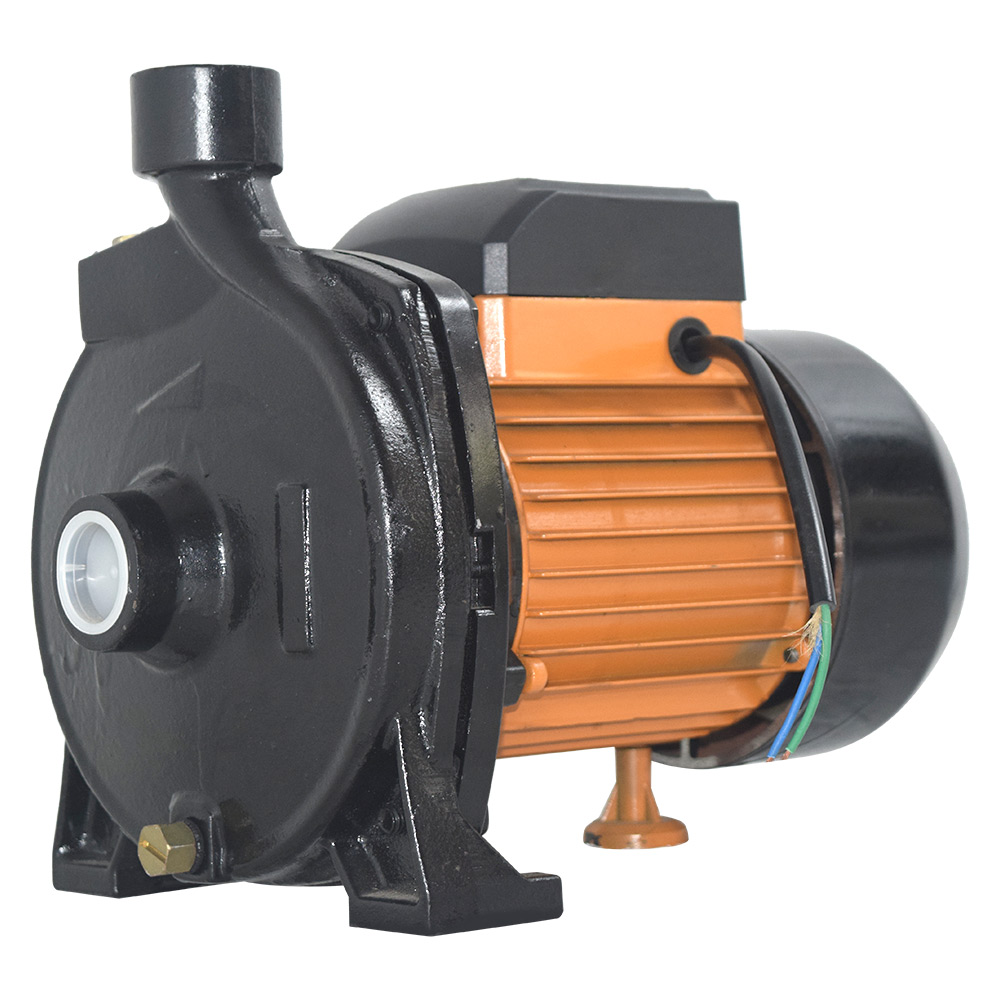
When considering bulk orders for pumps, it is vital to evaluate both pricing and supplier reputation. Bulk purchasing can lead to significant cost savings, but quality must not be compromised. Look for manufacturers like Larissa Motor, known for their high-quality electromechanical products.

Inquire about minimum order quantities (MOQ) and potential discounts for larger purchases. It’s also advisable to consider lead times, as custom pumps may require additional manufacturing time. Establishing a good relationship with your supplier can also facilitate better terms and faster turnaround times for future orders.
Key Quality Factors to Evaluate in Industrial Pumps

Key Quality Factors to Evaluate in Industrial Pumps

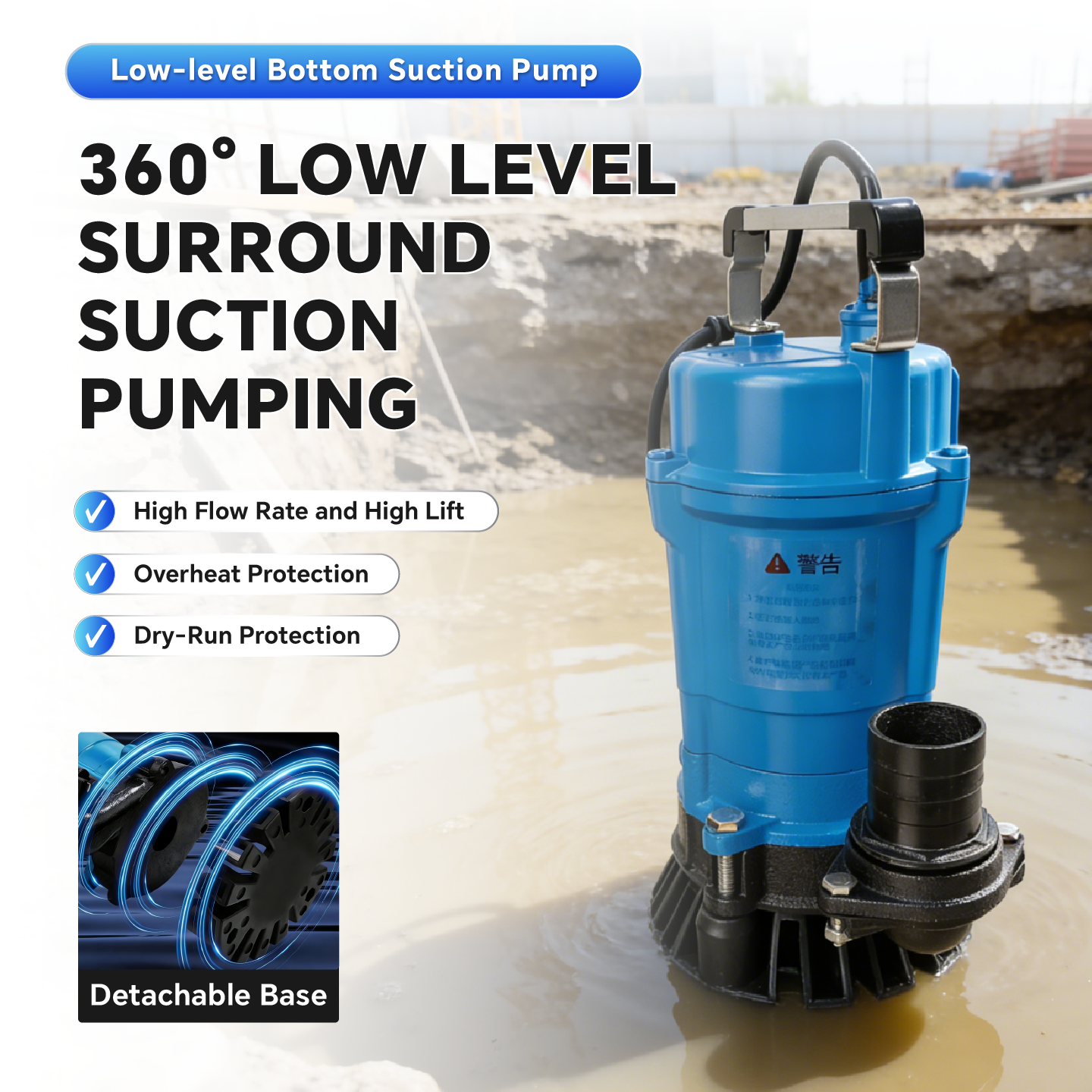
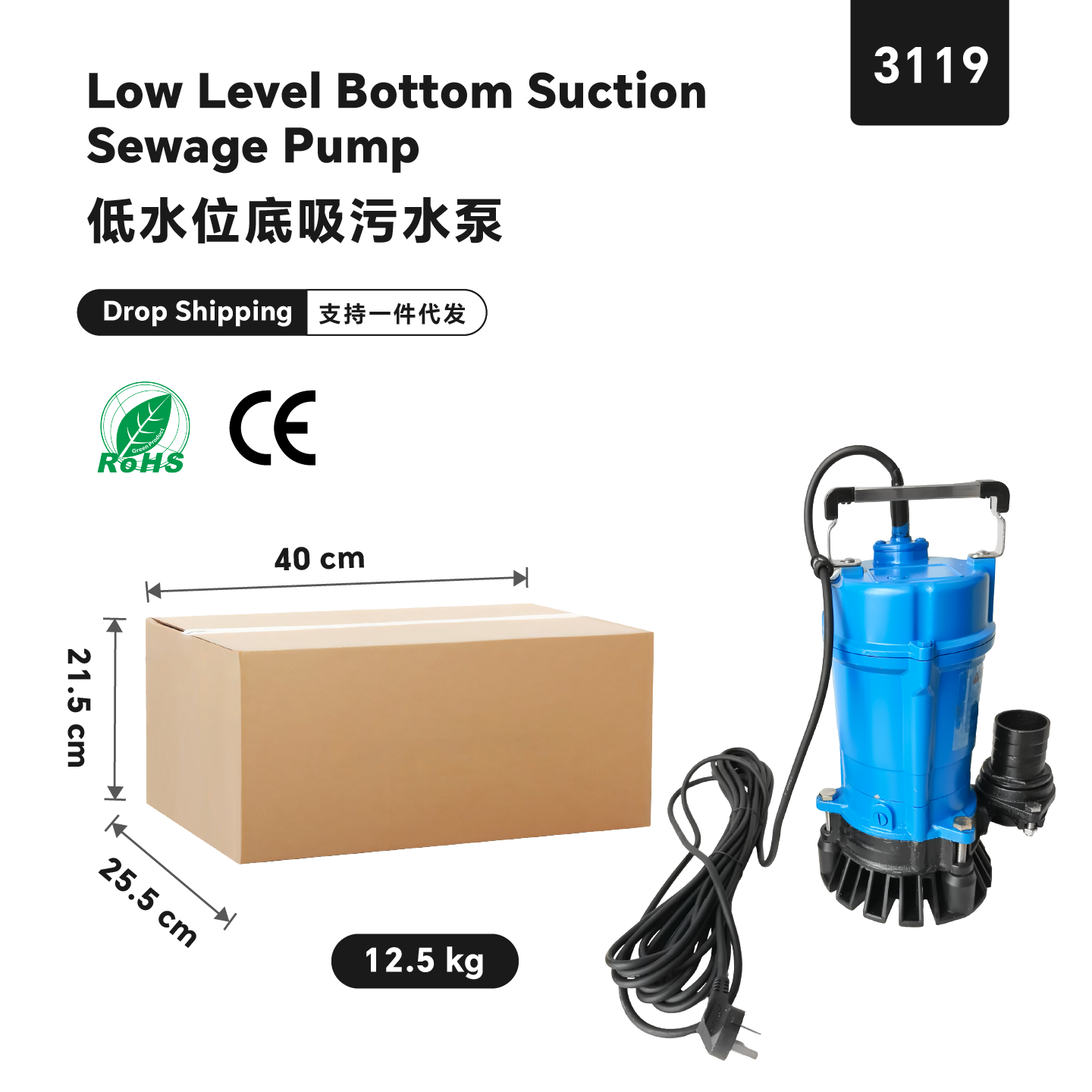
Quality assessment is critical when selecting pumps for irrigation to ensure durability and performance. Here are several key factors to consider:

Material Construction: The materials used in pump construction influence their durability and resistance to corrosion, especially in agricultural settings where exposure to chemicals and varying climates is common. Ensure that materials are suitable for the intended environment.

Performance Specifications: Review technical parameters such as pressure ratings, efficiency curves, and energy consumption. Pumps with higher efficiency not only save energy but also reduce operational costs over time.

Certification and Compliance: Check for relevant certifications that validate the quality and safety of the pumps. Compliance with international standards is crucial, especially for applications in global markets.

Quality Control Processes: Understand the manufacturer’s quality control measures. Comprehensive testing throughout the production process can prevent defects and ensure consistent performance.

Common Irrigation Pump Problems and Practical Solutions

Common Irrigation Pump Problems and Practical Solutions

Irrigation pumps can encounter several common issues that may affect their performance. Here are a few challenges and practical solutions:

Cavitation: This occurs when the pressure in the pump drops below the vapor pressure of the liquid, leading to the formation of vapor bubbles that can damage the pump. To address this, ensure that your pump is properly sized for the application and that the inlet conditions are optimized.


Clogging: Debris and sediment can obstruct pump components. Regular maintenance and the installation of appropriate filters can help prevent clogging, ensuring uninterrupted operation. You may want to consider using Water Pump Accessories to enhance your system's efficiency.

Overheating: This can result from inadequate cooling or excessive workload. Ensure that the pump is not oversized for the application and that water supply conditions are adequate.

Seal Failure: Worn or damaged seals can lead to leaks and reduced efficiency. Regular inspections and timely replacement of seals can mitigate this issue.

Installation Guidance for Efficient Pump Systems in Agriculture

Proper installation of irrigation pumps is essential for maximizing efficiency and longevity. Begin by carefully following the manufacturer’s installation guidelines. Here are some key considerations:

Site Preparation: Ensure the installation site is level and free of debris. The pump should be positioned close to the water source to minimize the risk of cavitation.

Piping Layout: Design the piping layout to minimize bends and restrictions, allowing for smoother water flow. Utilize appropriate pipe materials that can withstand the operational pressures.

Electrical Connections: Ensure that electrical connections are secure and comply with local regulations. Proper grounding is vital to prevent electrical failures.


Testing: Once installed, conduct thorough testing of the system to check for leaks, proper flow rates, and operational efficiency. This step is crucial before the system goes live to prevent costly downtime.

By adhering to these guidelines and focusing on the specific needs of your irrigation project, you can successfully implement an efficient pump system that meets your agricultural demands.

How to Choose the Right Pumps for Your Irrigation Projects

Selecting the appropriate pump for irrigation requires careful consideration of several factors, including flow rate, head pressure, and application type. Begin by determining the required flow rate, which is typically measured in gallons per minute (GPM) or liters per second (L/s). This will depend on the size of the area to be irrigated and the type of crops being grown.

Next, assess the head pressure, which indicates how high the pump can lift water. This is particularly important for systems that require water to be transported over significant elevations or distances. Understanding the specific irrigation method—whether drip, sprinkler, or surface irrigation—will also influence the type of pump you’ll need. For example, you might consider Irrigation Pumps that are specifically designed for these applications.

Customization options are essential for ensuring that the pump meets your specific project requirements. For example, Larissa Motor specializes in producing pumps tailored to meet diverse agricultural needs, providing buyers with the flexibility to adapt to various applications.

Get a Professional Sourcing Quote

Our pump experts will review your request and reply within 12 hours.
Choose Your Needs Optional Business Type
Customization Requirements Optional
Email
Name
Company Name & Website
Message
0/1000

Related product categories