EN
EN
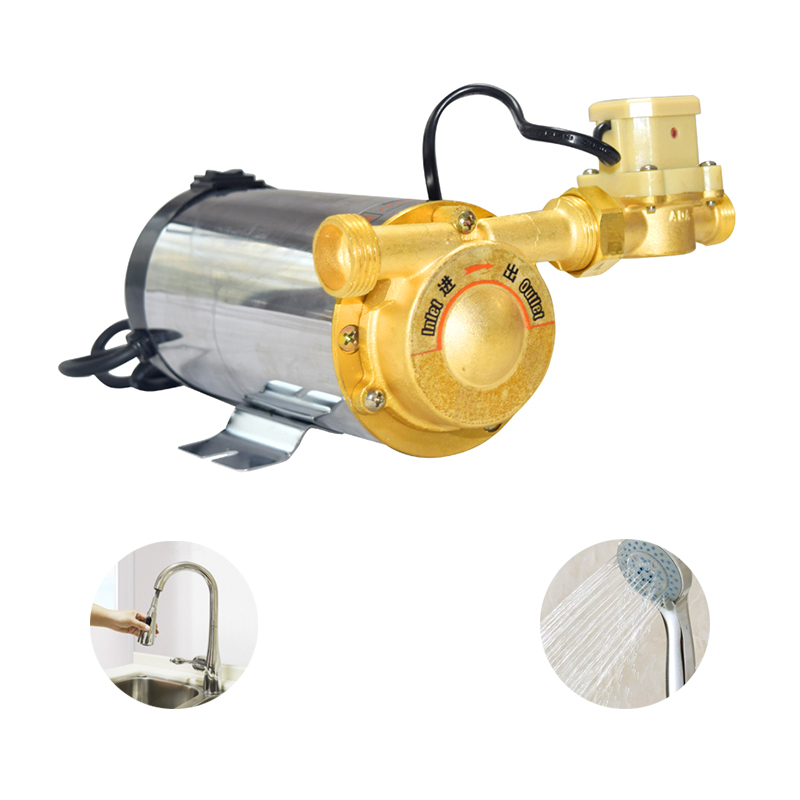
Pressure booster pumps are essential devices that enhance water pressure in various applications, ranging from residential to industrial use. For B2B buyers, the selection of a pressure booster pump involves considerations such as specifications, material compatibility, and supplier reliability. This article aims to provide insights into choosing the right pressure booster pump, understanding critical specifications, and exploring cost factors, helping purchasing managers and engineers make informed decisions for their projects.
What You Need to Know
Understanding the technical specifications of pressure booster pumps is vital for making the right purchasing decision. Key specifications include:
Pressure Rating: Indicates the maximum pressure the pump can handle. Ensure this matches your system's needs to prevent damage or inefficiency. Flow Rate: Measured in liters per minute (LPM) or gallons per minute (GPM), this tells you how much fluid the pump can move. Choose a pump that can sustain the flow rate needed for your application. Motor Power: The motor’s horsepower will affect performance and energy consumption. A higher horsepower often translates to better performance, but also higher operational costs. Efficiency: Look for pumps with high efficiency ratings to minimize energy consumption and operational costs.It's crucial to confirm these specifications with the manufacturer to ensure they align with your application needs. Misalignment can lead to inadequate pressure, increased energy costs, or premature pump failure.