Choosing Pump Pressure Boosters for Your Projects

Get a Professional Sourcing Quote

Our pump experts will review your request and reply within 12 hours.
Choose Your Needs Optional Business Type
Customization Requirements Optional
Email
Name
Company Name & Website
Message
0/1000

pump pressure booster

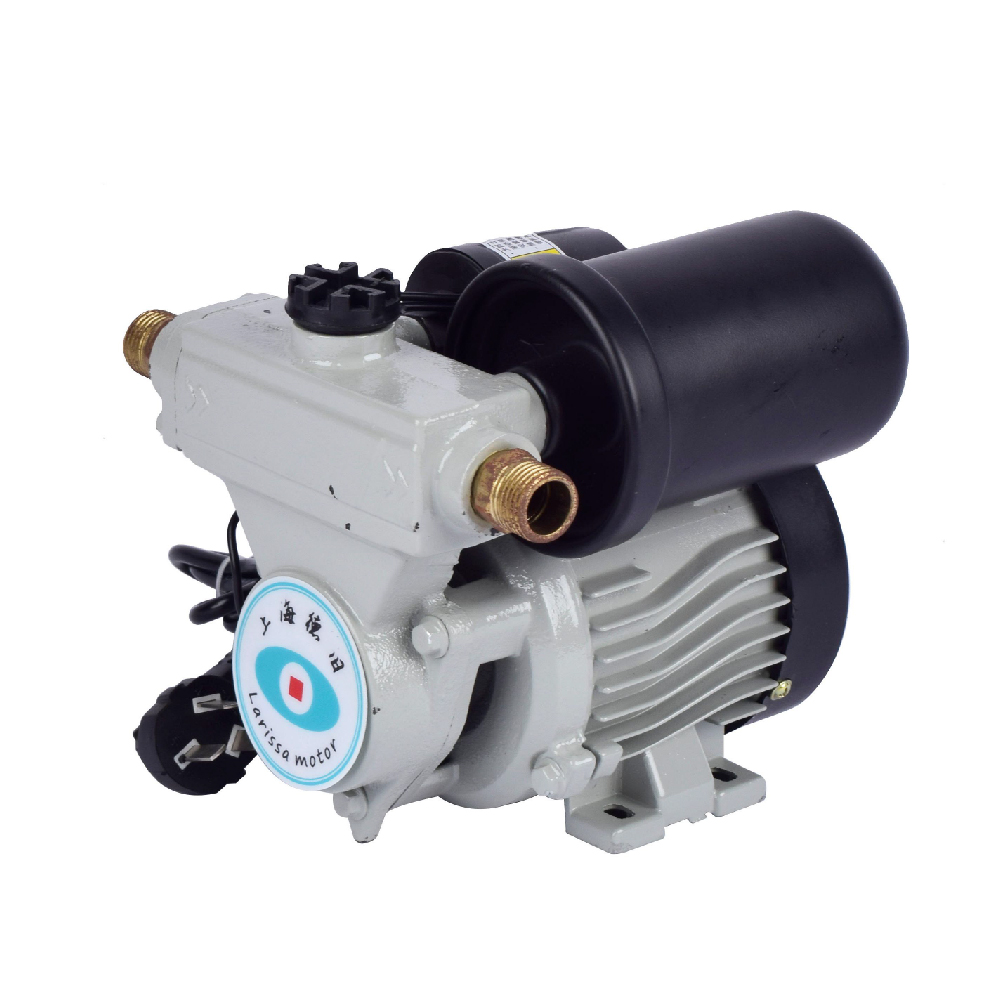
Understanding pump pressure boosters is crucial for B2B buyers in various industries,  particularly  those involved  in manufacturing, construction, and commercial operations. These devices enhance  water pressure in systems where natural pressure is insufficient, making  them essential  for applications ranging  from irrigation to  industrial processes.  As a  buyer, your main concerns likely include product specifications,  performance  reliability, and cost-effectiveness. This  article will  guide you through key  considerations  when  selecting and purchasing pump pressure boosters,  ensuring  that you make informed decisions for your projects.
 
How to Choose the Right Pump Pressure Booster for Your Projects

How to Choose the Right Pump Pressure Booster for Your Projects

Selecting the right pump pressure booster requires  a thorough understanding of your project requirements. Begin by assessing  the specific  application for which  the pump will be used. For instance, if you're installing a  booster for irrigation, consider the distance  from the  water source and the elevation change, as these factors will impact the required pressure and flow rate.

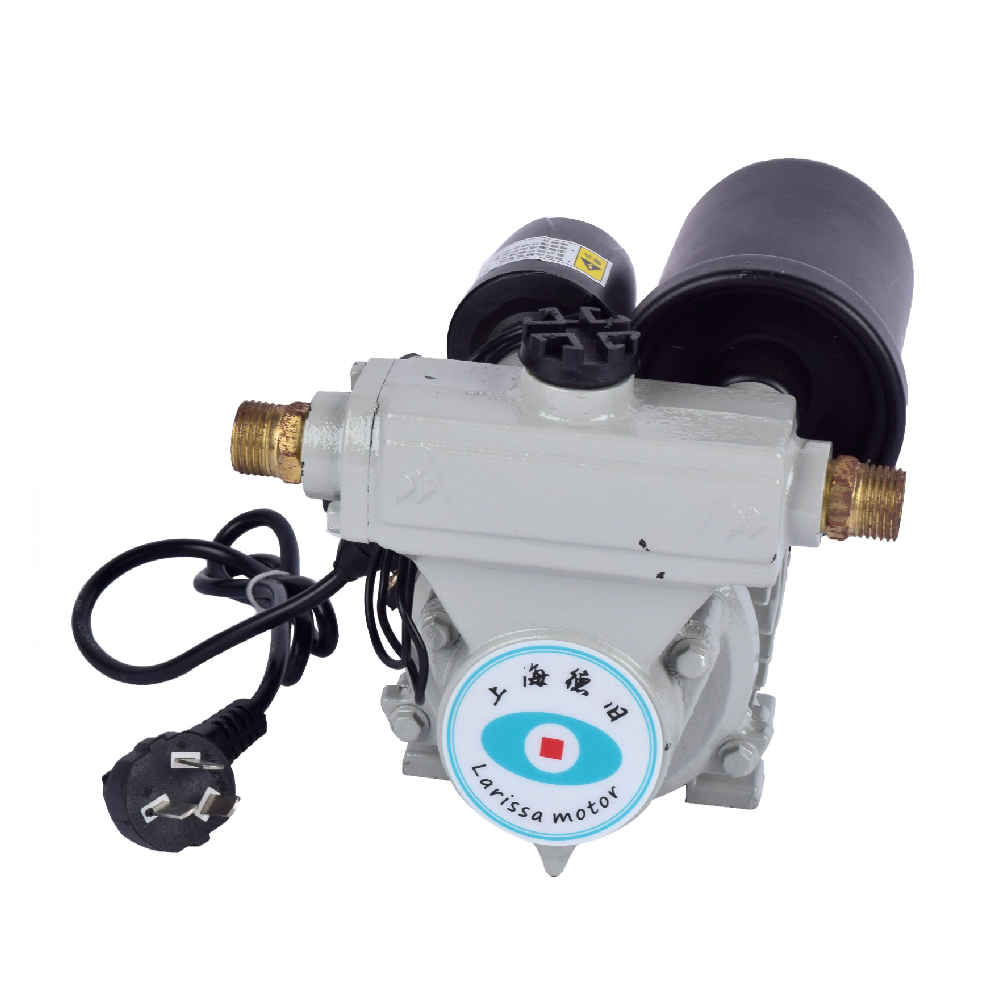
Next, evaluate the existing  system's compatibility with potential pumps. Ensure that the pump's dimensions and  connections align with your current plumbing setup to avoid costly modifications. Additionally, consider the operating environment. A pump  located in a harsh environment may require enhanced protective features or specialized  materials to ensure longevity.

Customization options are also a key factor in your decision-making process. Manufacturers like  Larissa Motor offer tailored solutions, enabling  buyers  to specify unique requirements  based on their applications. This can include adjustments to  pressure settings, flow rates, or material choices. Engaging with a manufacturer about  customization  capabilities can lead to  a more efficient and effective installation.
 
What to Look for in Pump Pressure Boosters

What to Look for in Pump Pressure Boosters

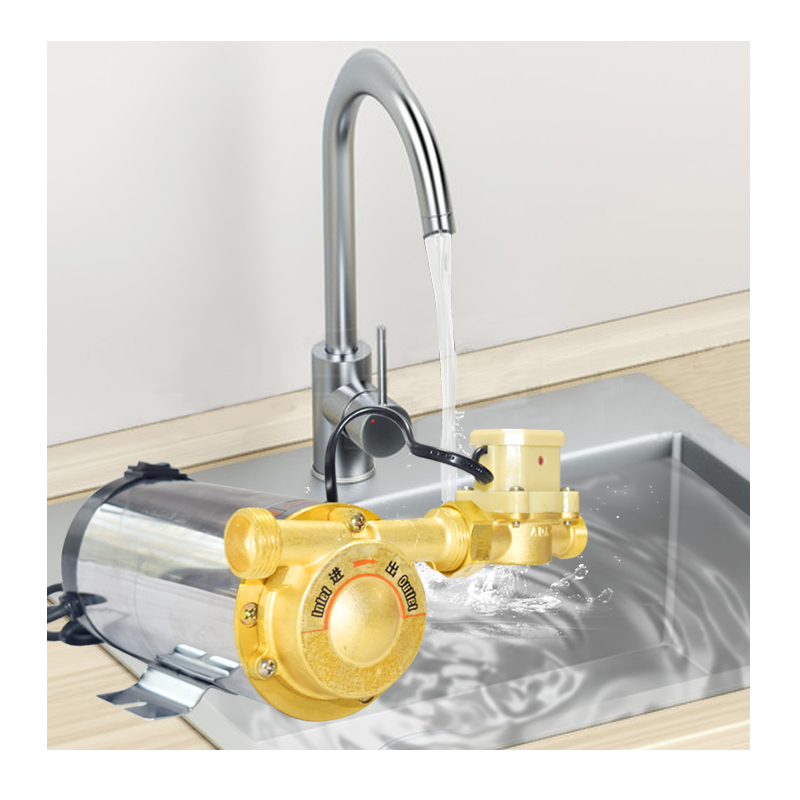
When evaluating pump pressure boosters, several features can significantly impact both performance  and longevity. First, look for energy efficiency. High-efficiency models can lead to reduced  operational costs, making them an attractive option  for long-term  use. Many modern pumps come equipped with variable speed drives (VSD),  which adjust  the motor speed  according to demand, further enhancing energy savings.


Next, consider the  ease of maintenance.  Pumps that feature accessible components and simple disassembly can save valuable time  and resources during service. Regular maintenance is  essential for ensuring optimal performance and extending the life of the equipment.

Quality certifications  also serve as indicators of reliability. Look for manufacturers that adhere to international standards, as this reflects a commitment to  quality and safety. Certifications  can include ISO standards or compliance with specific regional regulations, particularly if  you are exporting to  markets  like Europe.

Finally, assess the warranty and after-sales support offered by  the manufacturer. A robust warranty indicates confidence in the product and can provide peace of mind for  buyers investing in bulk orders.

Cost Considerations When Purchasing Pump Pressure Boosters in Bulk

Cost Considerations When Purchasing Pump Pressure Boosters in Bulk

Cost is a significant factor  when purchasing pump pressure boosters, especially for bulk orders. While the initial price  per  unit is  important, buyers should consider  the total cost  of ownership, which includes installation, maintenance, and energy costs  over the pump's lifespan.

When  negotiating pricing,  it’s beneficial to provide detailed information  about your intended  application and volume requirements. Manufacturers may offer discounts for larger orders or provide  incentives for long-term contracts, which can further reduce costs.  Additionally, buyers should inquire about  the minimum order quantity (MOQ) to  ensure that their purchasing plans  align with  the supplier's policies.

Another aspect to consider is the potential for custom features, which may affect the overall cost. While customized pumps  can better meet specific needs, they may come at a  premium price. Buyers should weigh the benefits of customization against their budget constraints and operational  needs.

Comparing Features of Top Pump Pressure Boosters for Contractors

For  contractors evaluating different pump pressure boosters, a feature comparison  can provide clarity  in making an informed decision. Consider creating a comparison  chart to analyze various models based on critical factors such as flow rate, pressure rating, energy efficiency, and maintenance  requirements.

When reviewing  specific models, pay attention to user feedback and performance  ratings. Real-world experiences can highlight  potential  issues or  advantages that  specifications alone may not reveal. This is particularly relevant  for  contractors who may face unique challenges in their projects.

Additionally, focus on the manufacturer's reputation and history  in the industry.  A manufacturer like Larissa Motor, with over two decades of experience and a commitment to producing high-quality products, is likely to offer  reliable solutions that meet international standards. This experience can be a significant advantage when evaluating long-term partnerships  for ongoing projects.

Investing time in understanding and comparing pump pressure boosters  will  ultimately lead to better choices that align with your operational goals, ensuring efficiency  and reliability in your applications.

Understanding Pump Pressure Booster Specifications for Wholesale Buyers

When evaluating pump pressure boosters, it's important to understand the key specifications that  affect performance and suitability for your  application. Common specifications include flow  rate, pressure rating, and material construction. The flow rate indicates the volume of water the pump can  move, typically measured in gallons per minute  (GPM) or liters per minute (LPM). A higher flow rate is essential for applications that require rapid water delivery, while a lower flow rate may suffice for  residential uses.


Pressure rating is another  critical specification, often expressed in pounds per square inch (PSI). It reflects the maximum pressure the pump can  handle, which is vital  for ensuring compatibility with existing  plumbing systems. Buyers  should verify that the pressure rating  meets their operational needs to avoid system failures.

Material construction plays a significant role in durability and resistance to  corrosion. Common materials include stainless steel and thermoplastics, each offering distinct advantages  depending on the application environment. Buyers should consider factors such as chemical exposure, temperature conditions, and moisture levels  when  selecting materials  for  their pump  pressure boosters. For instance, if you are considering a Solar Powered Deep Well Submersible Pump for Off-Grid Water Supply & Irrigation, understanding material construction is essential for its longevity.

Get a Professional Sourcing Quote

Our pump experts will review your request and reply within 12 hours.
Choose Your Needs Optional Business Type
Customization Requirements Optional
Email
Name
Company Name & Website
Message
0/1000

Related product categories