Household Water Pressure Pumps: A Comprehensive Guide

Get a Professional Sourcing Quote

Our pump experts will review your request and reply within 12 hours.
Choose Your Needs Optional Business Type
Customization Requirements Optional
Email
Name
Company Name & Website
Message
0/1000

household water pressure pump

Household water pressure pumps are essential devices designed to increase water pressure for various applications in residential and commercial settings. As a purchasing manager or product manager, understanding the specifications, cost factors, and sourcing options for these pumps is crucial. This article will guide you through comparing different models, evaluating costs, sourcing reliable suppliers, and identifying common issues and solutions, helping you make informed purchasing decisions.
 
Understanding the Cost Factors of Household Water Pressure Pumps

Understanding the Cost Factors of Household Water Pressure Pumps

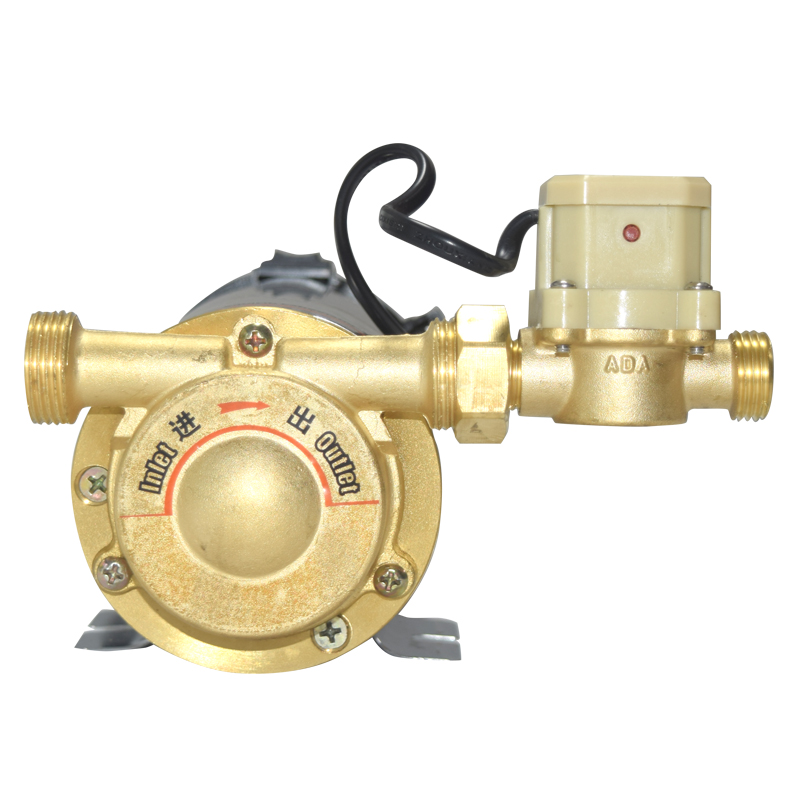
The cost of household water pressure pumps can vary significantly based on several factors. Firstly, the type of pump—submersible, jet, or booster—will affect pricing. Submersible pumps, for example, are often more expensive due to their complex design and capabilities in deeper installations.

Another key factor is the pump's specifications. Higher flow rates and pressure ratings typically lead to increased costs. Additionally, the materials used in manufacturing the pump can influence pricing. Pumps made from high-quality, corrosion-resistant materials may command a higher price but can save costs in the long run due to their durability.


Customization options also add to the cost. If your project requires specific features or configurations, be prepared for potential increases in both price and lead time. Lastly, consider the manufacturer’s reputation and warranty offered, as these can also impact the overall value of the investment.
Where to Source Reliable Household Water Pressure Pump Suppliers

Where to Source Reliable Household Water Pressure Pump Suppliers

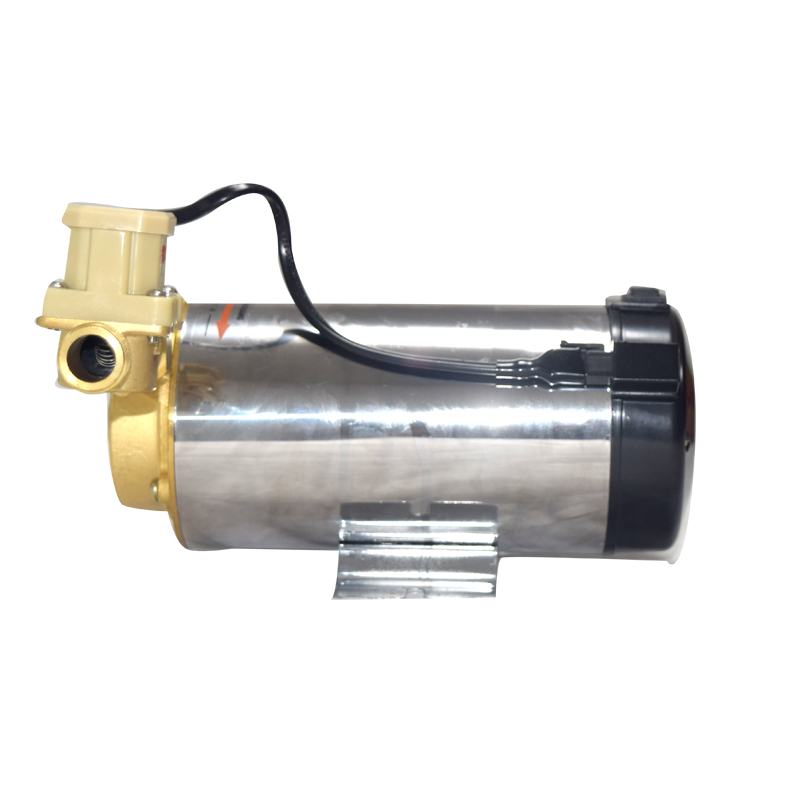
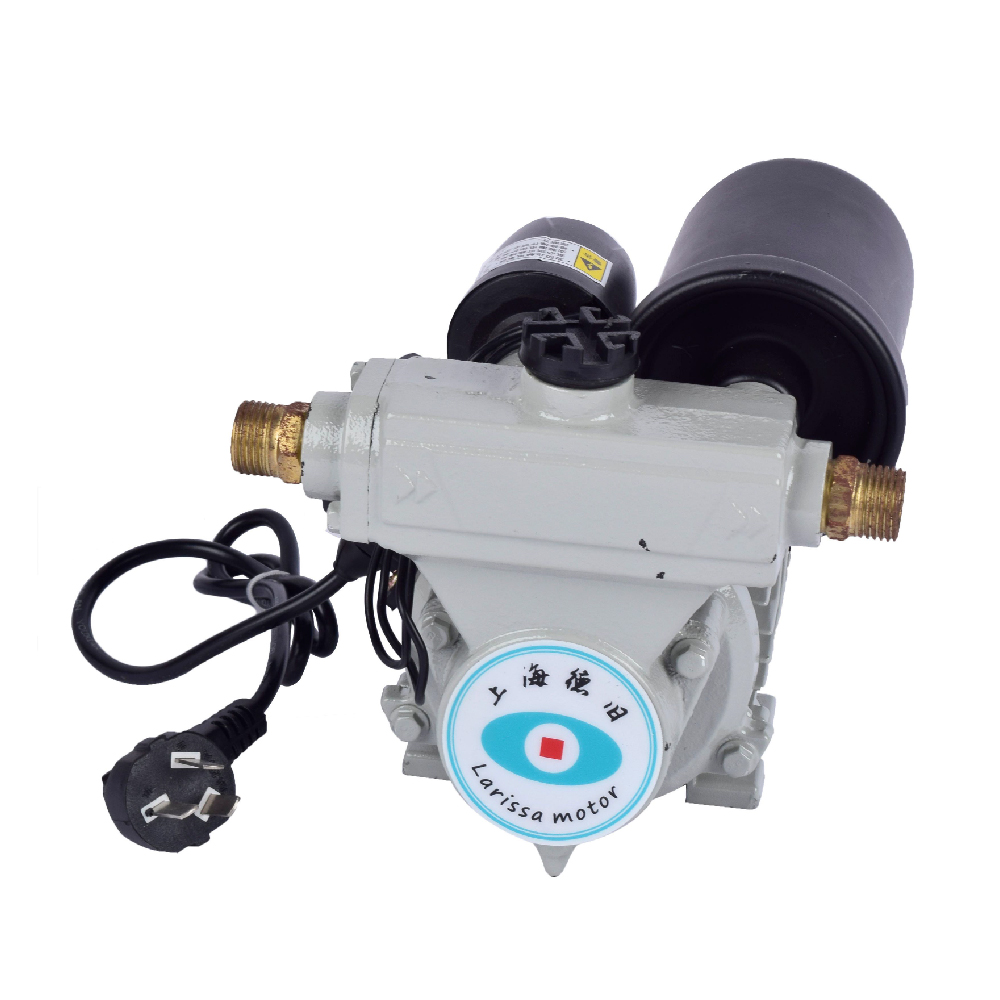
Finding reliable suppliers for household water pressure pumps involves several steps. Start by seeking manufacturers with a strong reputation in the industry. Look for companies that have been in operation for several years, as this often indicates stability and experience. Larissa Motor, known for high-quality electromechanical products since 1998, exemplifies a trusted manufacturer with a focus on customization and stable performance.

Next, evaluate the supplier's certifications and compliance with international standards, especially if you plan to export. Compliance with regulatory standards ensures that the pump will meet performance and safety criteria in various markets, including Europe.

Additionally, request samples before making a bulk purchase. Testing a sample unit allows you to assess the quality, performance, and suitability for your specific application. Finally, consider suppliers that offer comprehensive customer support, including technical assistance and warranty services, as this can enhance your overall purchasing experience.

A Buyeru2019s Guide

A Buyeru2019s Guide

When preparing to purchase a household water pressure pump, there are several critical pieces of information you should gather. Begin with determining your specific needs, including the required flow rate, pressure, and application. This will help you narrow down the options available to you. For example, if you need a solution for agricultural use, you might want to consider the Solar Powered Submersible Water Pump for Garden Irrigation & Small Farm Use.

Next, compile a list of potential suppliers and ask for detailed quotations. Be sure to include specifications such as the type of pump, model, and any customization requirements. You might also want to inquire about minimum order quantities (MOQs), lead times, and delivery options to ensure your project timeline is met.

Before finalizing your order, ensure you have clear agreements on warranty terms and after-sales support. It’s also wise to confirm the quality control processes the manufacturer uses, as this can significantly affect the pump's reliability and performance.

Common Problems with Household Water Pressure Pumps and Solutions

Despite their essential role, household water pressure pumps can encounter several common issues. One frequent problem is insufficient water pressure, which can arise from a variety of causes, including improper pump sizing, blockages in the intake, or wear and tear on internal components. To address this, ensure that the pump is correctly sized for your application and regularly maintain the intake to prevent clogs.

Another issue is pump cycling, where the pump frequently turns on and off. This can indicate a leak in the system or a faulty pressure switch. Regular inspection of the plumbing system and replacing worn-out components can alleviate this problem.

Lastly, noise during operation can be a concern. Excessive noise may indicate a mechanical issue or that the pump is not properly mounted. Ensuring that the pump is securely installed and considering vibration-dampening mounts can help reduce operational noise and extend the life of the pump.

By understanding these issues and their solutions, you can make informed decisions regarding maintenance and repairs, ensuring the longevity and effectiveness of your household water pressure pumps.

How to Compare Household Water Pressure Pumps for Your Projects

When comparing household water pressure pumps, start by evaluating their specifications, which typically include flow rate, pressure rating, and power consumption. The flow rate, measured in gallons per minute (GPM), indicates how much water the pump can deliver. A higher flow rate may be necessary for larger homes or applications requiring simultaneous use of multiple fixtures.

Next, consider the pressure rating, usually expressed in pounds per square inch (PSI). Ensure that the pump's pressure capabilities meet your requirements, as insufficient pressure can lead to poor performance in applications such as irrigation or multi-story water supply systems. Additionally, assess the power requirements; most household pumps operate on standard electrical voltages, so compatibility with existing electrical systems is essential.

Material quality also plays a significant role in performance and durability. Pumps made of stainless steel or reinforced plastics are often more resistant to corrosion and wear, increasing their lifespan and reliability. Finally, check for any customization options that may be available to tailor the pump to specific needs, such as size or additional features like variable speed control. For instance, consider exploring options like the DC CPM Centrifugal Water Pump for Solar Irrigation & Agricultural Water Transfer for specific applications.

Get a Professional Sourcing Quote

Our pump experts will review your request and reply within 12 hours.
Choose Your Needs Optional Business Type
Customization Requirements Optional
Email
Name
Company Name & Website
Message
0/1000

Related product categories