Pressure Pumps for Home Use: Quality & Supplier Guide

Get a Professional Sourcing Quote

Our pump experts will review your request and reply within 12 hours.
Choose Your Needs Optional Business Type
Customization Requirements Optional
Email
Name
Company Name & Website
Message
0/1000

pressure pump for home

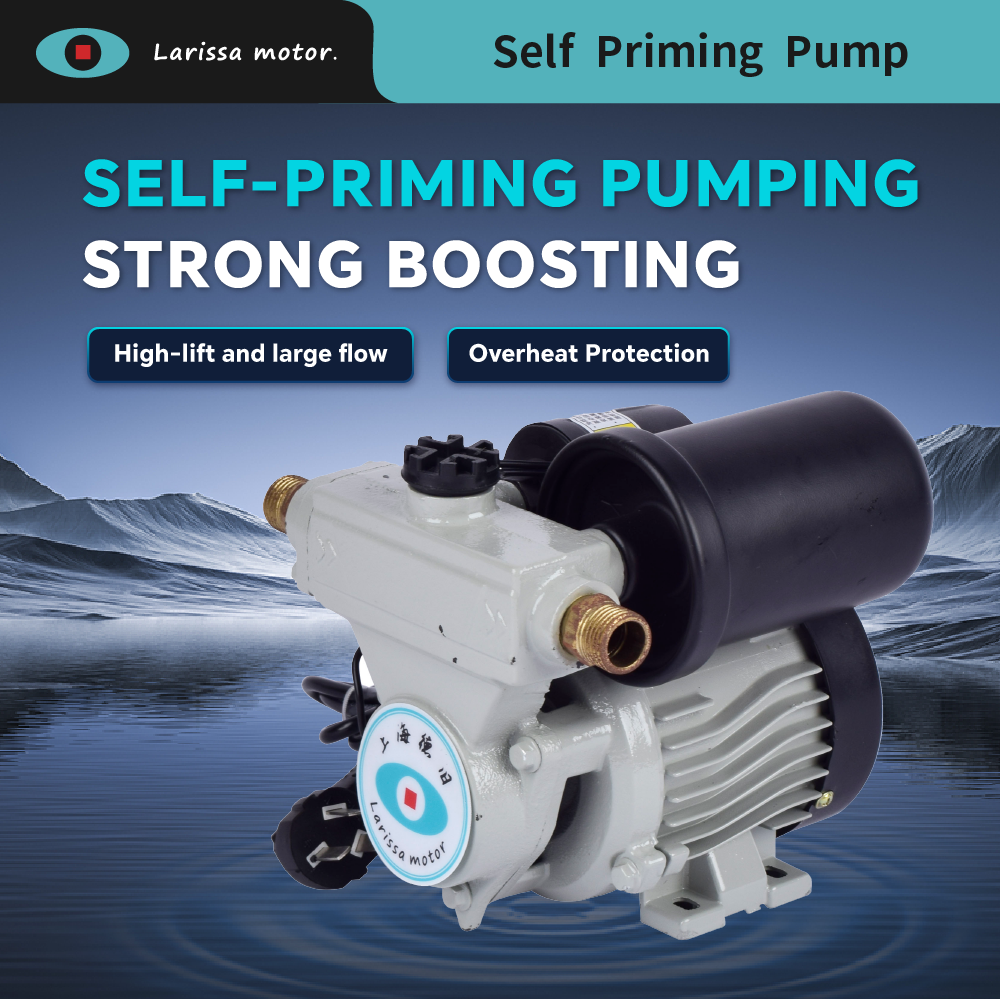
Pressure pumps for home use are essential  components  for  various applications, including water  supply systems,  irrigation,  and pressure  boosting. As  a B2B buyer,  your main concerns likely  include  product quality, performance, reliability, and  supplier credibility. This article  will guide you through  evaluating pressure pumps,  sourcing reliable suppliers, ensuring  optimal performance, addressing common issues, and understanding  the  material advantages of  high-quality pumps for residential  applications.
Sourcing Reliable Suppliers for Bulk Orders

Sourcing Reliable Suppliers for Bulk Orders

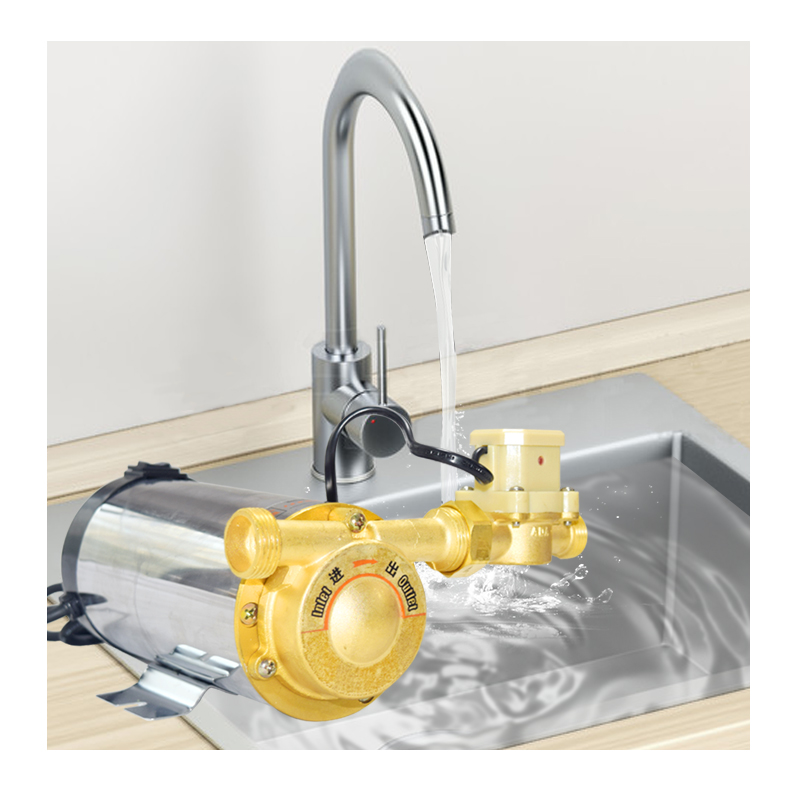
When sourcing suppliers for bulk orders of pressure pumps, it’s essential to consider  their manufacturing capabilities, customization options, and past performance  in  the industry. Start  by evaluating potential suppliers based on their experience  and reputation in the market. A manufacturer with  a long-standing presence, like Larissa  Motor, which has been producing high-quality electromechanical products since 1998,  often indicates reliability and expertise.

Request detailed product catalogs that include  specifications, available models, and customization options. This will help you identify whether the supplier can meet your specific  requirements,  such as  unique dimensions or materials. Don't hesitate to ask for sample products before committing  to larger orders; testing samples under actual  operating conditions is vital to ensure they meet performance expectations.

Additionally,  inquire about lead  times and  minimum order quantities (MOQ). Reliable suppliers should have a clear understanding of their production capacity and be able to provide timelines that match your project schedules. Establishing  a good communication  channel with  the supplier will help address any concerns promptly and foster a long-term partnership.
Ensuring Optimal Performance

Ensuring Optimal Performance

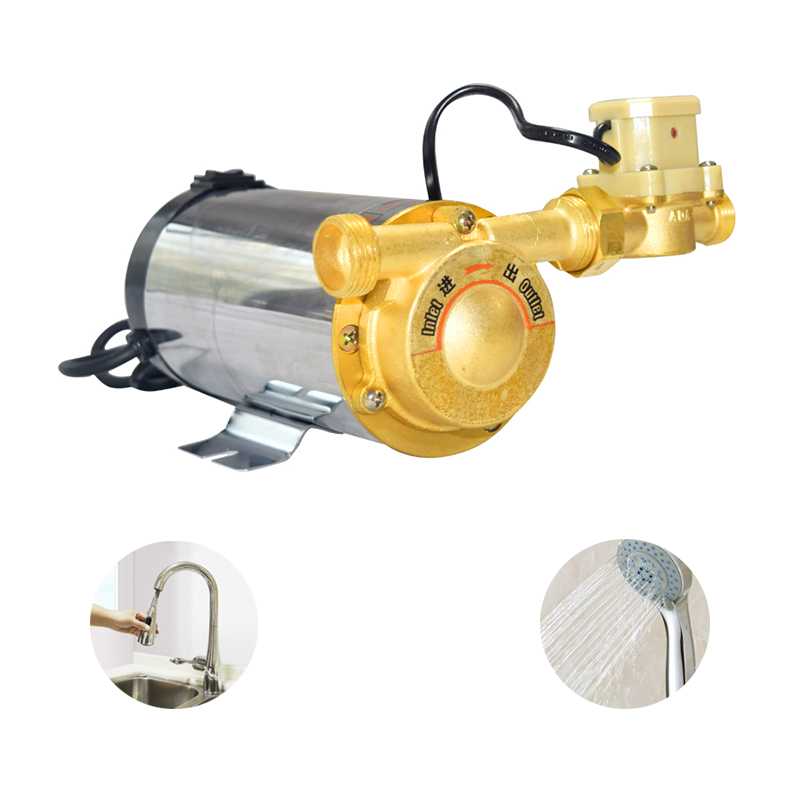
To  ensure optimal performance from your pressure pumps, regular maintenance and proper  installation practices are crucial. Begin  by following the  manufacturer's installation  guidelines carefully.  Incorrect  installation can  lead to operational inefficiencies and may void warranties.  

Regular  maintenance should include checking for  leaks, monitoring performance  metrics, and cleaning or replacing filters as needed. Additionally, inspect the pump's  motor and electrical connections periodically to prevent  failures. A well-maintained pump not only  operates more  efficiently but can also extend its lifespan significantly.

It’s also advisable to operate the pump within  its designed pressure and flow limits. Exceeding these limits may lead to premature wear or catastrophic  failure, resulting in costly repairs or replacements. Always refer to the pump's technical documentation  to  determine the optimal operating conditions.

 
Common Problems with Pressure Pumps and Effective Solutions

Common Problems with Pressure Pumps and Effective Solutions

Pressure pumps can encounter several common  issues,  including cavitation, overheating, and decreased performance. Cavitation occurs when the  pressure inside the pump  drops below the  vapor pressure of the liquid, leading  to the formation of vapor bubbles.  This can be mitigated by ensuring adequate suction head and avoiding excessive  flow  restrictions.

Overheating can occur due  to prolonged operation at high pressure or insufficient cooling. To prevent this, ensure that the pump has adequate ventilation and consider using thermal protection devices. Additionally,  regularly monitoring the  pump’s temperature can help detect issues  before they escalate.

If  you notice decreased performance, it may be  due  to  blockages or wear in the  impeller. Conduct routine inspections and clean any debris or scale buildup.  If performance issues persist, consult the manufacturer for potential repairs or recommendations  on replacement parts.

Material Advantages of High-Quality Pressure Pumps for Home Use

The materials used in manufacturing pressure pumps significantly impact their performance and longevity. High-quality pumps typically utilize corrosion-resistant materials such as  stainless steel or reinforced thermoplastics.  These  materials not only enhance durability but also improve the pump's ability to handle various water qualities and temperatures.

For instance, stainless steel pumps are ideal  for applications involving potable water, as they do not leach harmful substances. On the  other hand, thermoplastic  pumps are lightweight and resistant to chemical corrosion, making  them suitable for agricultural  applications where fertilizers or other chemicals  might be present. For more insights on agricultural applications, refer to Agricultural Water Pumps.


Moreover, consider  the  sealing  materials used in the pump's construction. High-quality seals prevent  leaks and ensure  consistent pressure maintenance. Rubber or silicone seals are commonly used for  their flexibility and durability,  but it’s essential to select the right type based on the operational temperature and fluid compatibility to avoid premature failure.

By  understanding these material advantages, you can make informed decisions that enhance the reliability  and efficiency  of your pressure pump systems for home use.

How to Evaluate the Quality of Pressure Pumps for Your Projects

When assessing the quality of pressure pumps  for home use, consider key specifications such as flow rate, pressure rating, and energy efficiency. The flow  rate, measured in gallons per minute (GPM), indicates how much water the pump can  move. A pump with a  higher  GPM is typically better suited for larger  applications, while a lower  GPM may  suffice for smaller tasks.  

Pressure rating is another critical factor, denoted in pounds per  square inch (PSI). Ensure  that the pump can handle the required pressure for your specific application without risk of failure.  Energy  efficiency, often indicated  by the pump’s motor rating and energy consumption, can significantly affect operational costs over time. A pump that meets international energy efficiency standards can save you money  in the long run. For more information on energy-efficient options, consider exploring Solar Pumping Systems.

In addition to  specifications, look for  certifications that validate the manufacturer's quality control processes. Certifications such  as ISO 9001 can indicate  a commitment to quality management. Furthermore, customer reviews and performance data can provide insights into real-world reliability  and durability.


Get a Professional Sourcing Quote

Our pump experts will review your request and reply within 12 hours.
Choose Your Needs Optional Business Type
Customization Requirements Optional
Email
Name
Company Name & Website
Message
0/1000

Related product categories