EN
EN
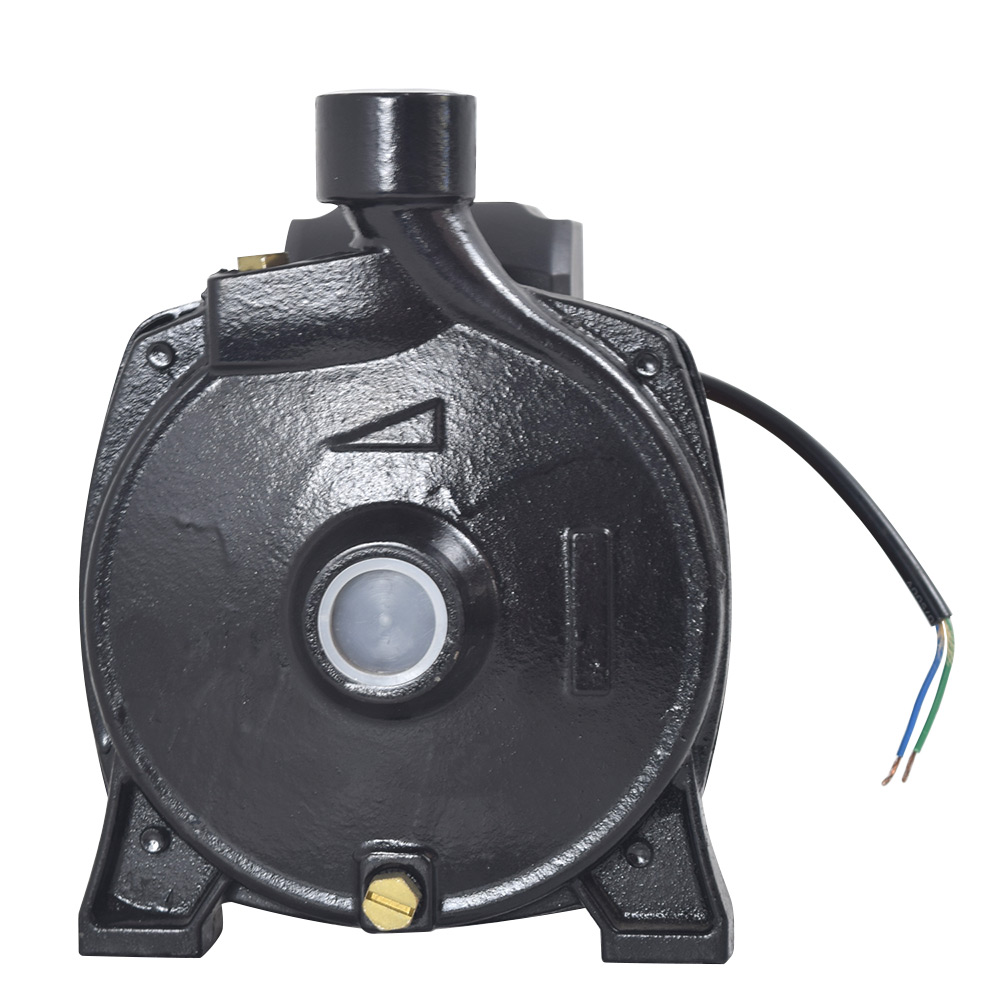
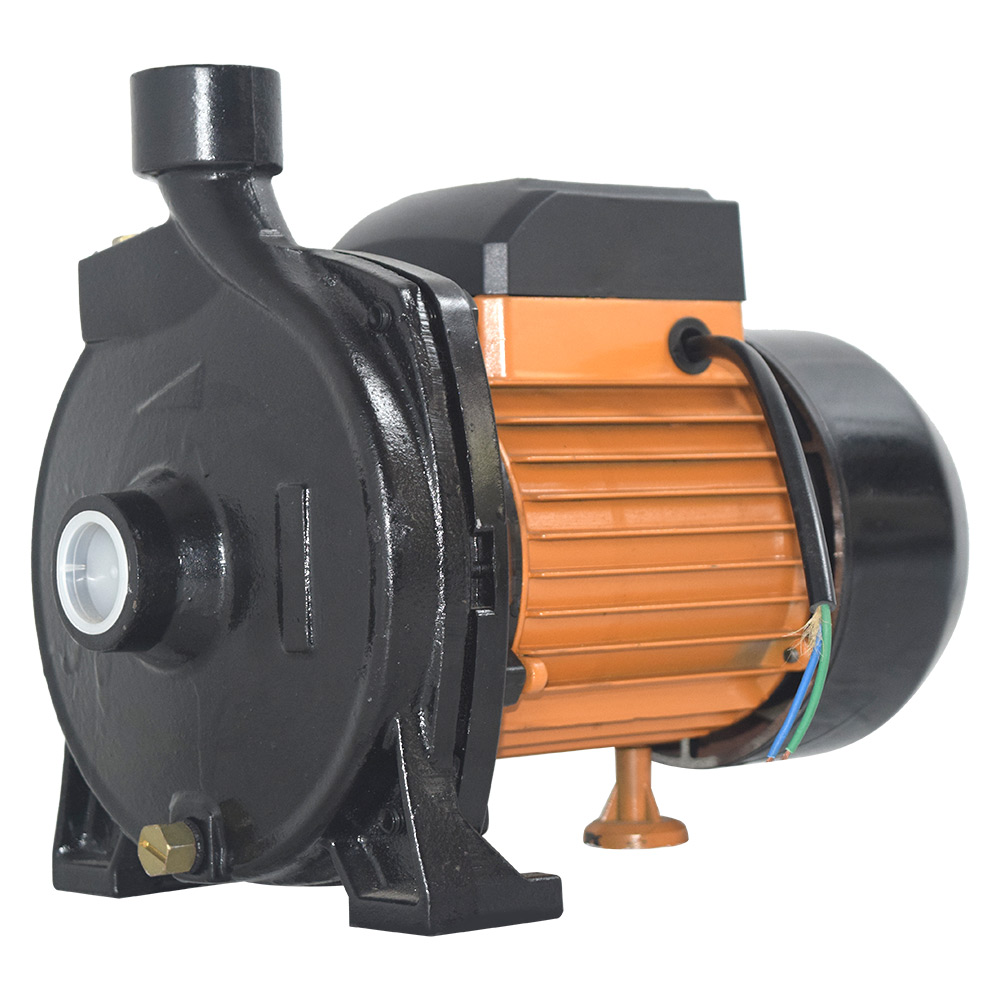
Irrigation pumps play a crucial role in optimizing water management for agricultural and industrial applications. As a B2B buyer, you may be concerned with selecting the right pump type, ensuring efficient installation, understanding cost implications, and identifying trusted suppliers. This article will guide you through essential considerations for purchasing irrigation pumps, providing insights into specifications, installation practices, cost factors, applications, and sourcing.
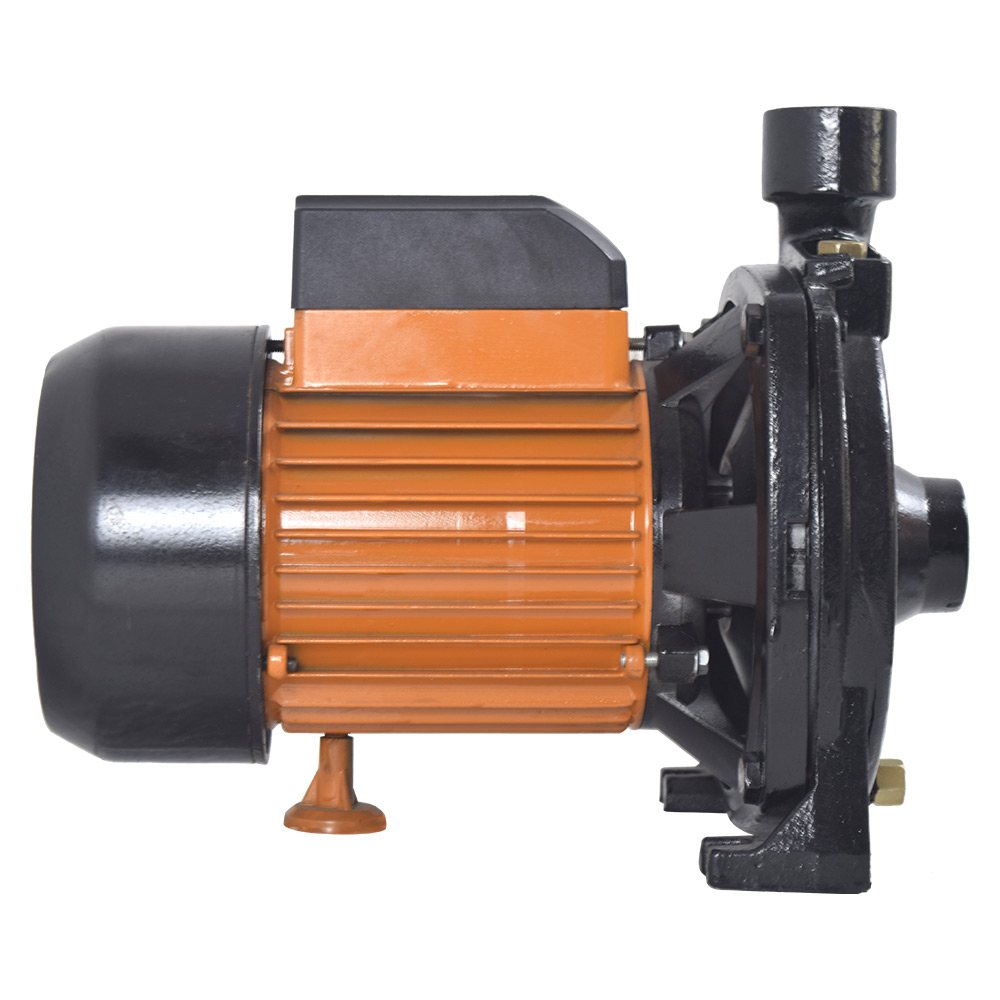
Installation Guidance for Efficient Irrigation Pump Systems
Proper installation of irrigation pumps is crucial for maximizing their efficiency and lifespan. Begin by ensuring that the installation site is prepared to accommodate the pump's specific requirements, including electrical connections and access to the pump for maintenance.
Positioning: Install the pump close to the water source to minimize suction lift, which can create pressure drops. Ensure the pump is level and stable to prevent operational issues. Piping: Use appropriately sized pipes to reduce friction loss. Larger diameter pipes can help maintain flow rates but may increase initial costs. Filters and Strainers: Incorporate filters to prevent debris from entering the pump, which can cause wear and reduce efficiency. Regular maintenance of these components is essential for long-term performance. Electrical Connections: Ensure that all electrical connections comply with local codes and that the pump is wired correctly to prevent overload or failure.Taking these steps will help create an efficient irrigation system, reducing downtime and maintenance costs while ensuring reliable water delivery.