Key Specifications for Turbo Pumps in Industry

Get a Professional Sourcing Quote

Our pump experts will review your request and reply within 12 hours.
Choose Your Needs Optional Business Type
Customization Requirements Optional
Email
Name
Company Name & Website
Message
0/1000

turbo pump

Turbo pumps  are essential devices  widely used in various industrial applications  to create high  vacuum environments.  As a  B2B buyer,  your concerns may  include ensuring the pump meets  specific performance metrics,  complies  with  industry  standards, and is  suitable for your  intended application. This article  will provide  a comprehensive overview of turbo pumps, focusing on key specifications,  common issues, and valuable insights  for distributors, helping you make informed  purchasing decisions.
Our Products

Essential Steps and Tips

Essential Steps and Tips

To ensure a successful turbo pump purchase,  follow  these essential steps:

Define Application Requirements: Clearly outline  the operational parameters, including  required  vacuum levels, gas types, and throughput needs. This will  help narrow  down suitable options.

Request Detailed Quotations: When  reaching out to suppliers, provide comprehensive information,  including desired specifications, quantities, and any customization needs.  This will help suppliers provide accurate pricing  and lead times.

Evaluate Supplier Expertise: Consider suppliers with  proven experience  in manufacturing turbo pumps. Check references and customer reviews to  assess their reliability and service quality.

Review Technical Documentation: Ensure the supplier provides detailed  product specifications, installation manuals, and maintenance guidelines.  Familiarize yourself with these documents  to aid in installation and operation.

Inspect Samples: If possible, request a sample of the turbo pump. This allows you to assess the build quality, dimensions, and  overall fit for your application before  placing  a bulk order.

Plan for Maintenance: Understand the maintenance requirements and expected lifespan of the turbo pump. Factor in maintenance costs and potential downtime into your purchasing decision.
Common Problems with Turbo Pumps and Effective Solutions

Common Problems with Turbo Pumps and Effective Solutions

Turbo pumps, while reliable, can encounter  several common issues.  Here are a few problems and their solutions:

Insufficient Vacuum Level: If the pump fails to achieve the desired vacuum level, it may be due  to leaks in the system or  incorrect installation. Ensure all  connections are sealed and verify that  the pump is correctly aligned with  the vacuum chamber.

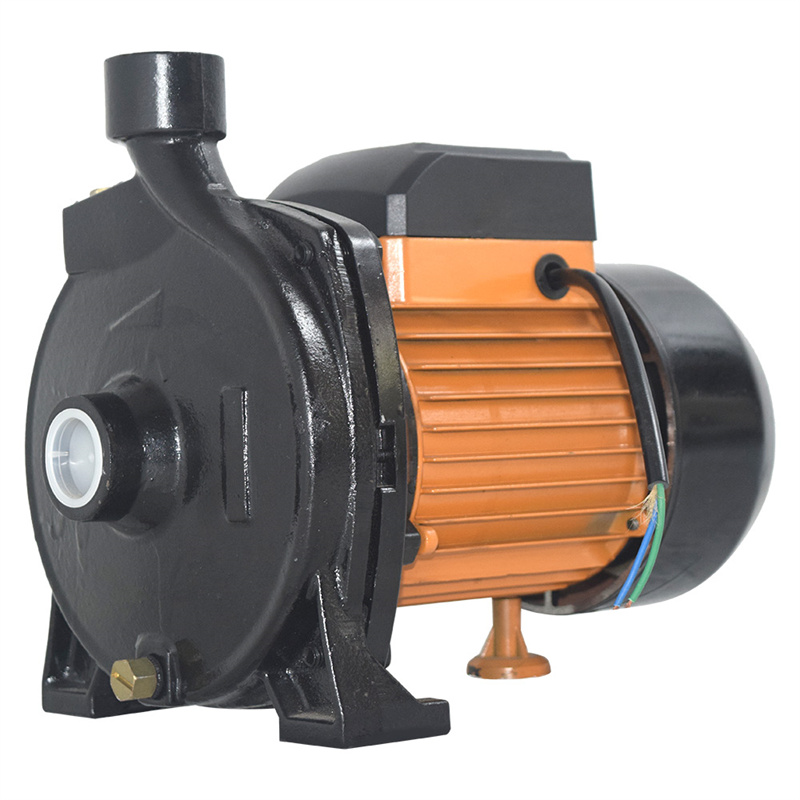
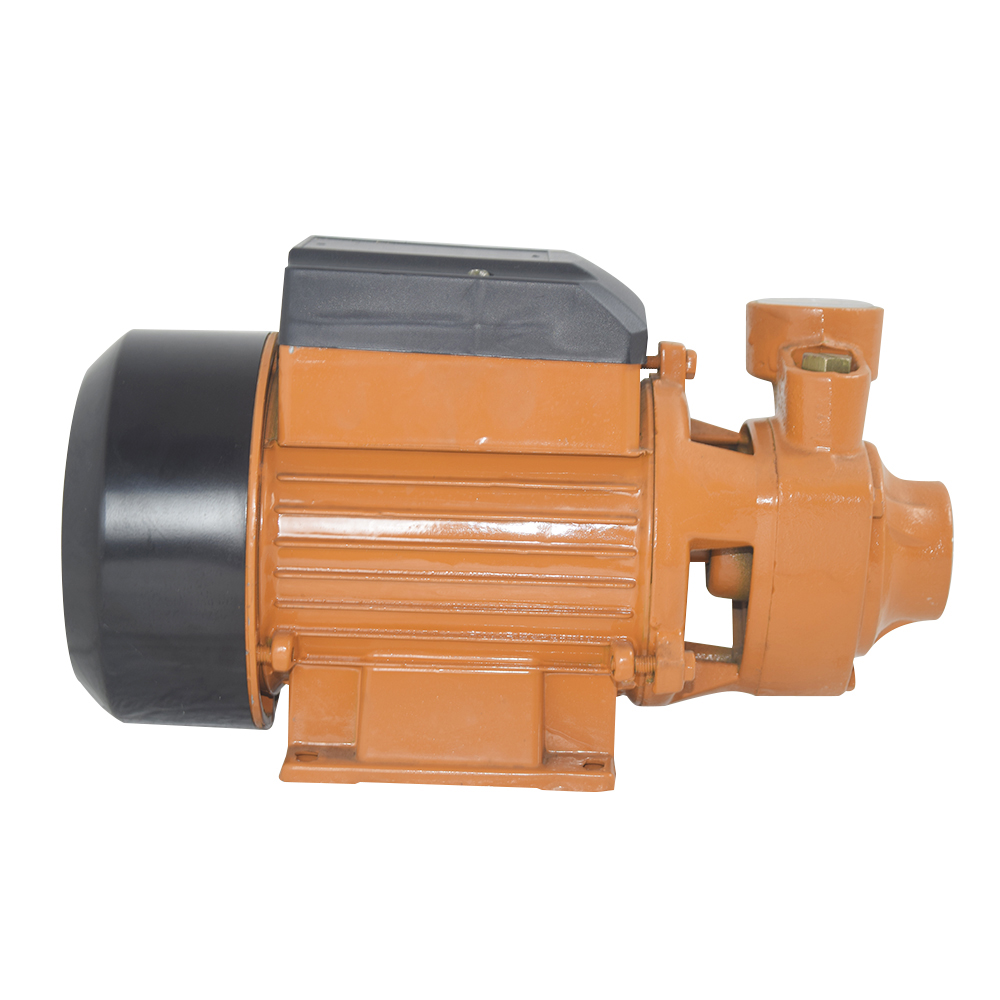
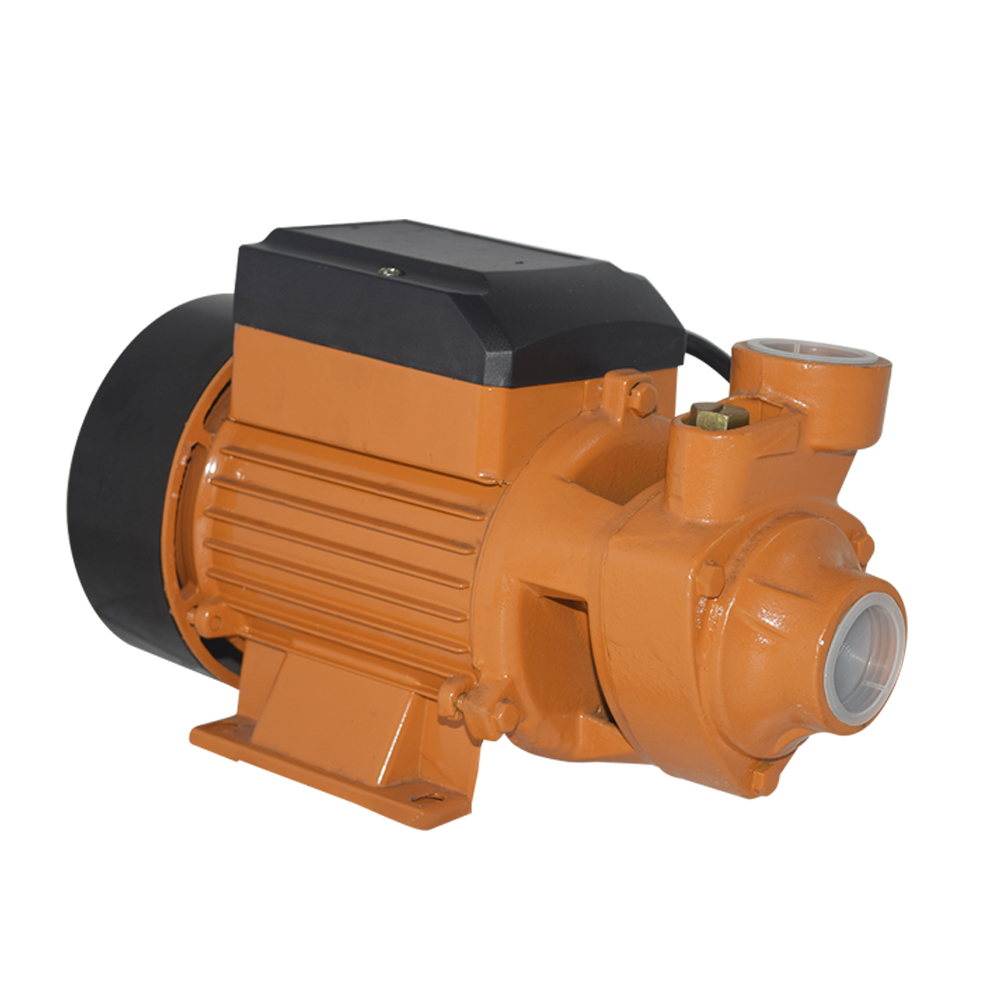
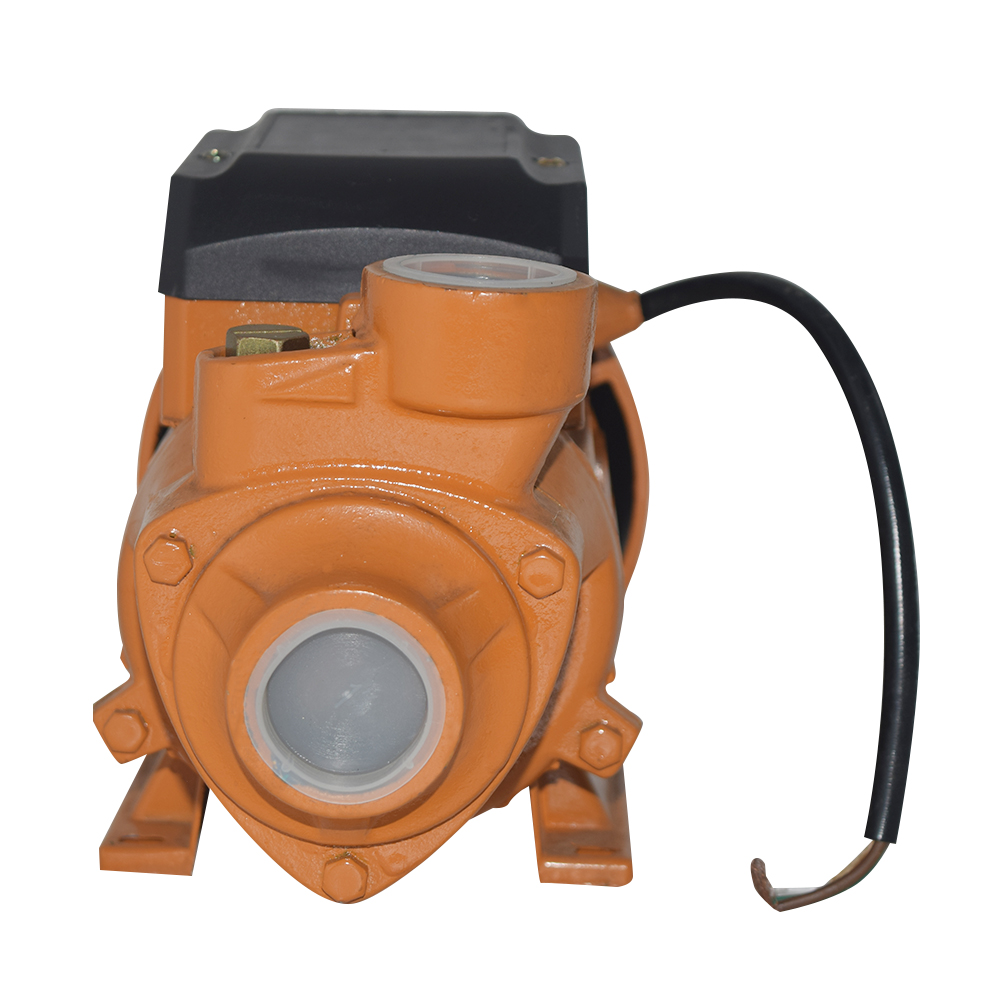
Overheating: Overheating can result from inadequate cooling or excessive gas load. Ensure the cooling  system is functioning correctly and consider using a pump with higher  gas throughput if necessary. For instance, the DC CPM Centrifugal Water Pump for Solar Irrigation & Agricultural Water Transfer is designed for high throughput.

Noise  and Vibration: Unusual noise or vibration can indicate mechanical issues or imbalances.  Regular maintenance, including checking for  worn  bearings or misalignments, can help  mitigate these  problems.

Electrical Failures:  Power supply fluctuations can lead to pump failures. Ensure stable  electrical supply and consider using surge protectors in the setup.

Contamination: Contaminants can affect performance and lead to damage. Regularly inspect filters and ensure the gas being pumped is  free from particulates.

Features and Benefits for Distributors

Features and Benefits for Distributors

Distributors can benefit significantly  from offering turbo  pumps due  to their advanced  features and market demand:

Customization Options: Manufacturers, like Larissa Motor,  provide customization capabilities to  meet  specific customer needs. This flexibility allows distributors to cater to a broader range of applications and  industries.

Stable  Performance: With a focus on advanced design and quality manufacturing, turbo  pumps provide reliable performance in demanding environments, making them a valuable addition to any distributor's product lineup.

International Standards  Compliance:  Turbo pumps  manufactured by reputable companies are  designed to meet international  standards, which can be a strong selling point for distributors operating in global markets.

Strong Market Demand: Turbo pumps are  widely used in industries such  as semiconductor manufacturing, pharmaceuticals, and  research laboratories, ensuring  a steady demand for distributors.

Technical  Support and Training: Partnering with experienced manufacturers can provide distributors with the necessary training and technical support, helping them to effectively sell and service turbo pumps.

What You Need to Know

Before  purchasing a turbo pump, keep these essential considerations in mind:

Lead Time and Availability: Understand the lead times for production and shipping, especially if you have tight project timelines. Communicate your requirements clearly to avoid  delays.

Minimum Order Quantity (MOQ): Be aware of  the supplier's MOQ, as this  can affect your purchasing  strategy. If you require a smaller quantity, inquire about options for sample  orders or lower  MOQs.

Quality  Control Processes: Investigate  the manufacturer's quality control measures. A robust quality assurance system can significantly reduce the likelihood of defects  and ensure consistent performance.

Packaging and Shipping:  Ensure the manufacturer has appropriate packaging methods  to protect the turbo pump during transit. Discuss shipping options to find  the most economical and reliable solution.

Regulatory Compliance:  If  your application involves specific regulations (such as those in the pharmaceutical industry), confirm that the turbo pump complies with relevant standards  and certifications.

By keeping these factors in mind, you can make a more informed decision when selecting a turbo  pump that meets your operational needs and  quality expectations.

Key Specifications to Consider

When selecting a turbo pump, several specifications are critical to ensuring optimal performance and  compatibility with your systems:

Pumping Speed: This is measured in  liters per second (L/s) and indicates the volume of gas the pump  can move.  Buyers should assess the pumping speed required for their specific  application, as insufficient speed can lead to inadequate vacuum levels.

Ultimate Pressure: This refers to the lowest pressure the pump can achieve  and is essential for applications requiring high vacuum. Evaluating the ultimate pressure helps ensure the pump will meet your operational needs.

Gas  Throughput: This specification measures the amount of gas that can pass through the pump  without causing performance degradation. Understanding gas throughput is crucial for applications that involve varying gas loads.

Motor Type and Power: The type of  motor (e.g., brushless DC motors) impacts the efficiency and reliability of the pump. Ensure  the motor specifications align with your operational requirements.

Cooling Method: Turbo pumps can  be  air-cooled or water-cooled. The choice of cooling method can  affect installation requirements and long-term maintenance.

Materials of Construction: The  materials used in the  pump (such as stainless steel or aluminum) can impact its chemical compatibility and durability. Confirm the materials are suitable  for the  gases handled in your application.

Control Interface: Many turbo pumps feature advanced control  systems that allow for integration  with existing automation systems. Ensure compatibility with your control systems to facilitate ease of operation.

Get a Professional Sourcing Quote

Our pump experts will review your request and reply within 12 hours.
Choose Your Needs Optional Business Type
Customization Requirements Optional
Email
Name
Company Name & Website
Message
0/1000

Related product categories