EN
EN
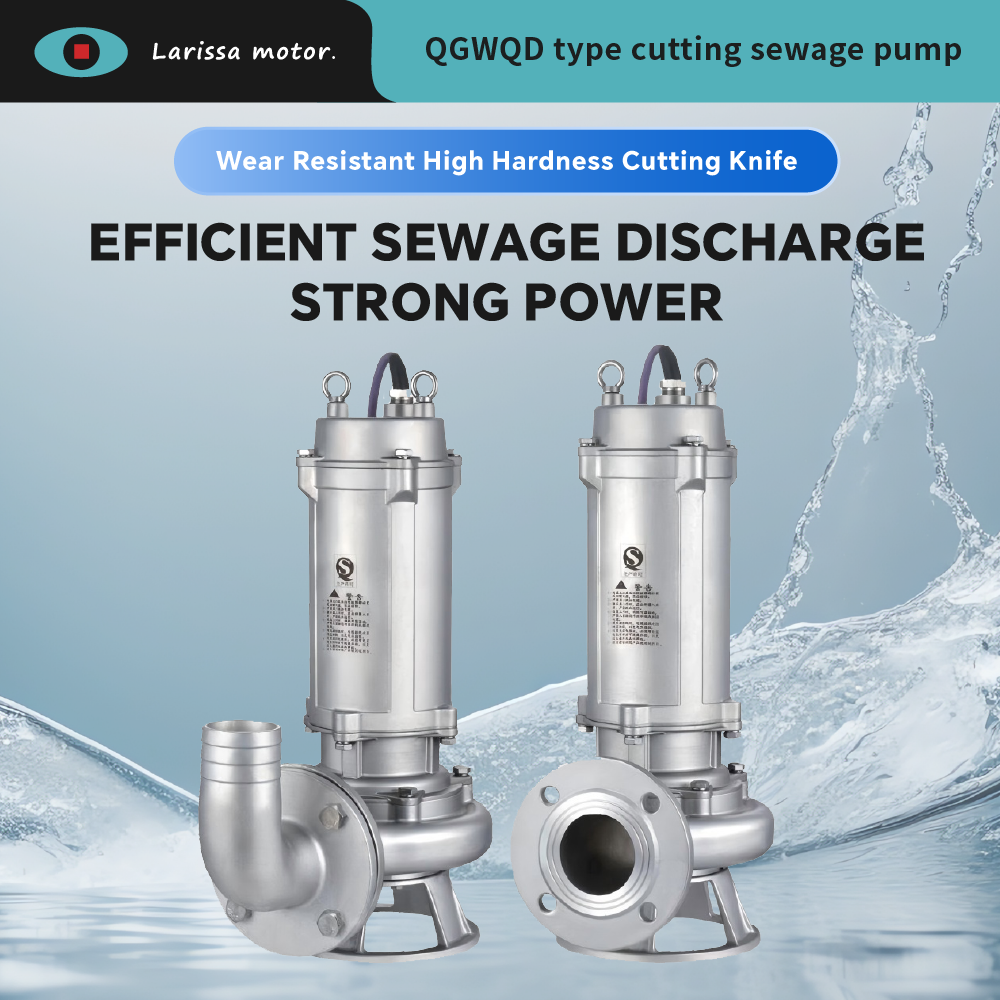
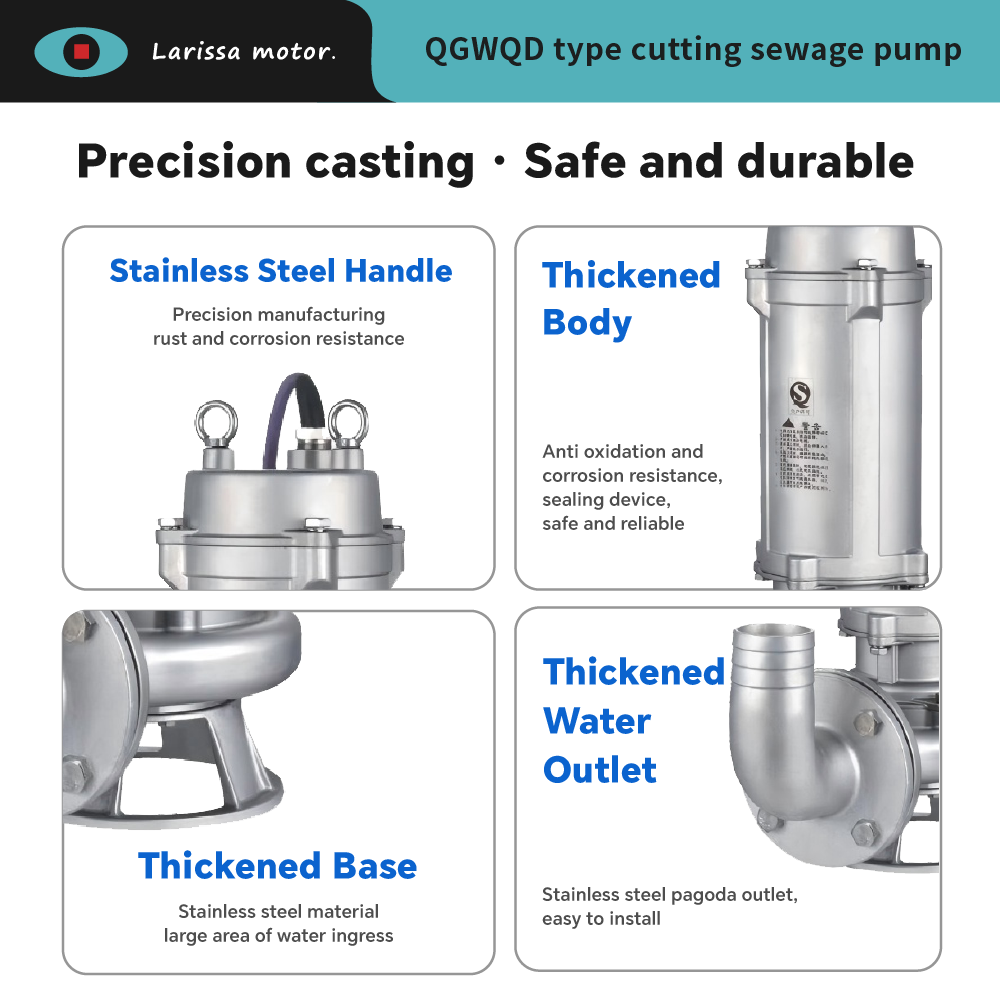
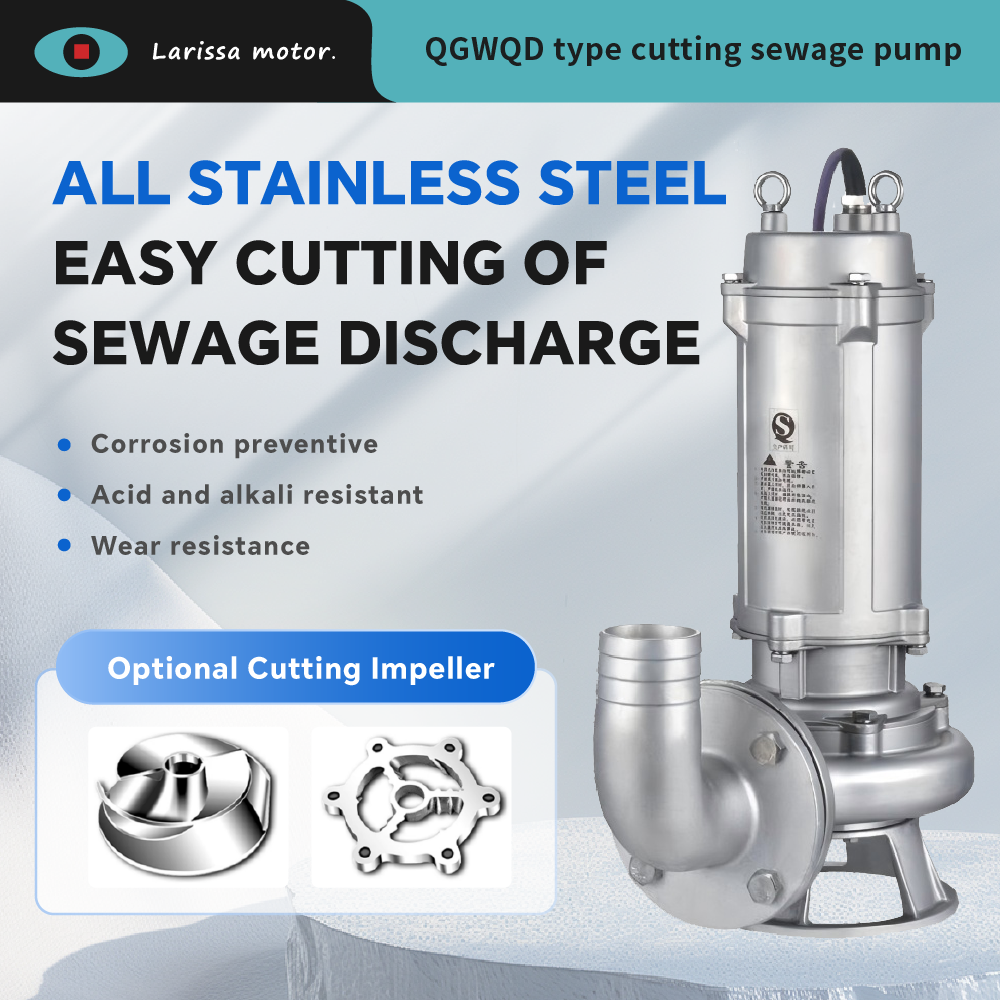
Effluent pumps are essential components in various industrial and commercial applications, designed to effectively transport wastewater and sewage from one location to another. For B2B buyers, key concerns often include reliability, performance, and compliance with industry standards. This article will delve into critical aspects of sourcing, quality control, and material selection for effluent pumps, providing valuable insights for purchasing managers, engineers, and product managers.
Best Practices and Tips
When purchasing effluent pumps, there are several best practices to keep in mind:
Understand Your Application: Clearly define the application for which the pump will be used. Different applications may require different pump types, materials, and features.
Request Detailed Quotations: Provide potential suppliers with detailed information about your requirements, including pump specifications, desired performance, and any customization needs. This helps in obtaining accurate quotations and avoiding surprises later.
Evaluate Quality Control Processes: Ask about the manufacturer’s quality control processes. A reliable supplier should have robust testing procedures to ensure that each pump meets the necessary performance and safety standards.
Check for Certifications: Verify that the manufacturer holds relevant certifications that demonstrate compliance with industry standards. This is crucial for ensuring the product's reliability and safety.
Consider Lead Times: Discuss lead times early in the purchasing process. Understand the manufacturer's capacity to meet your delivery schedule and factor this into your planning.