Choosing the Right Booster Pump for Your Applications

Get a Professional Sourcing Quote

Our pump experts will review your request and reply within 12 hours.
Choose Your Needs Optional Business Type
Customization Requirements Optional
Email
Name
Company Name & Website
Message
0/1000

booster pump

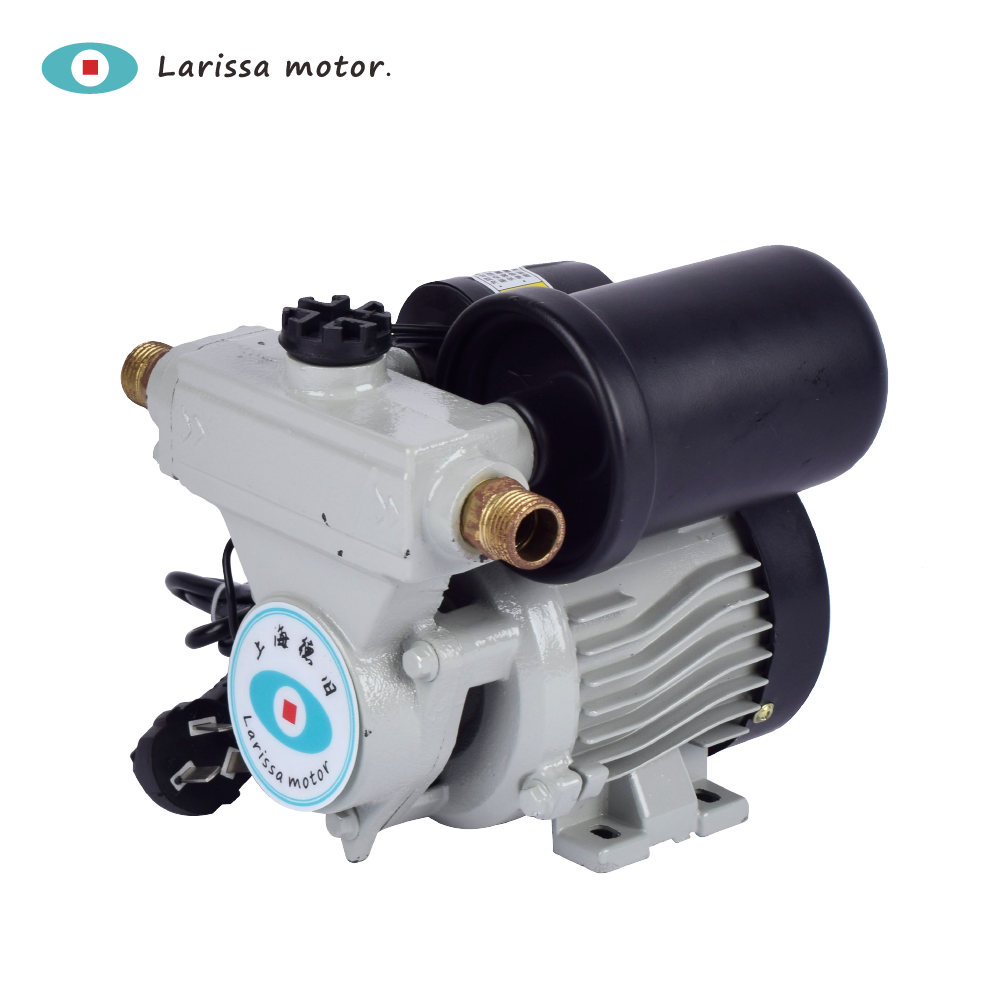
Understanding  booster pumps is essential  for professionals in various  industries, as  these devices play a  crucial role in enhancing water pressure for a range  of  applications. Whether you're a  purchasing  manager, engineer, or product manager, selecting the right booster  pump can  directly impact  operational efficiency and project  costs. This article will guide you through important considerations such as specifications,  common issues, applications,  and how to effectively  compare options, ensuring you  make an informed  decision  tailored to your  specific needs.
Understanding Booster Pump Specifications for Optimal Performance

Understanding Booster Pump Specifications for Optimal Performance

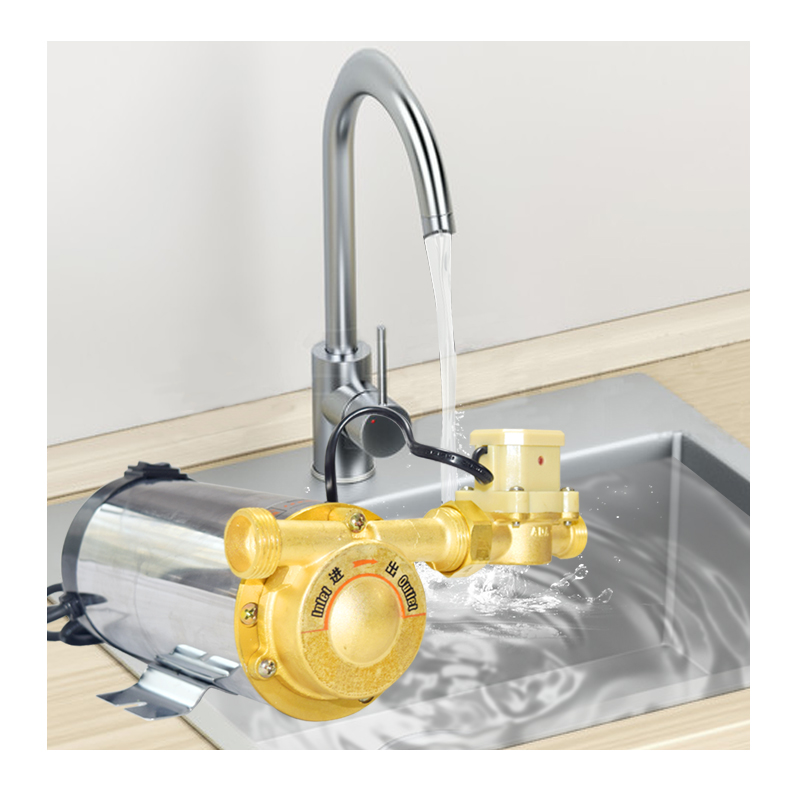
Understanding  the specifications of a booster pump is  vital for  ensuring optimal performance. Key specifications to  evaluate include:


Flow  Rate: Measured in gallons per minute (GPM) or liters per minute (LPM), this indicates the volume of fluid the pump can move within a specific time frame. The required flow rate should align  with your application needs.

Pressure Rating: This specification indicates the maximum pressure the pump can  handle. Exceeding this limit can lead to  pump failure. Assess your system's  pressure  requirements and choose a pump that meets or exceeds  them.

Motor Power: The motor's horsepower (HP) rating impacts the pump's overall efficiency and performance. Ensure  that the motor is adequately sized for your application to avoid overheating  or  operational inefficiencies.

Material  Composition:  The  materials used in the construction of the pump, including the casing and impeller, should be  compatible with the fluid to avoid corrosion or wear. Common materials include stainless steel, cast iron, and various plastics.

Evaluating these specifications will help ensure that the booster pump  you choose will operate efficiently in your specific industrial environment.
Common Problems with Booster Pumps and Effective Solutions

Common Problems with Booster Pumps and Effective Solutions

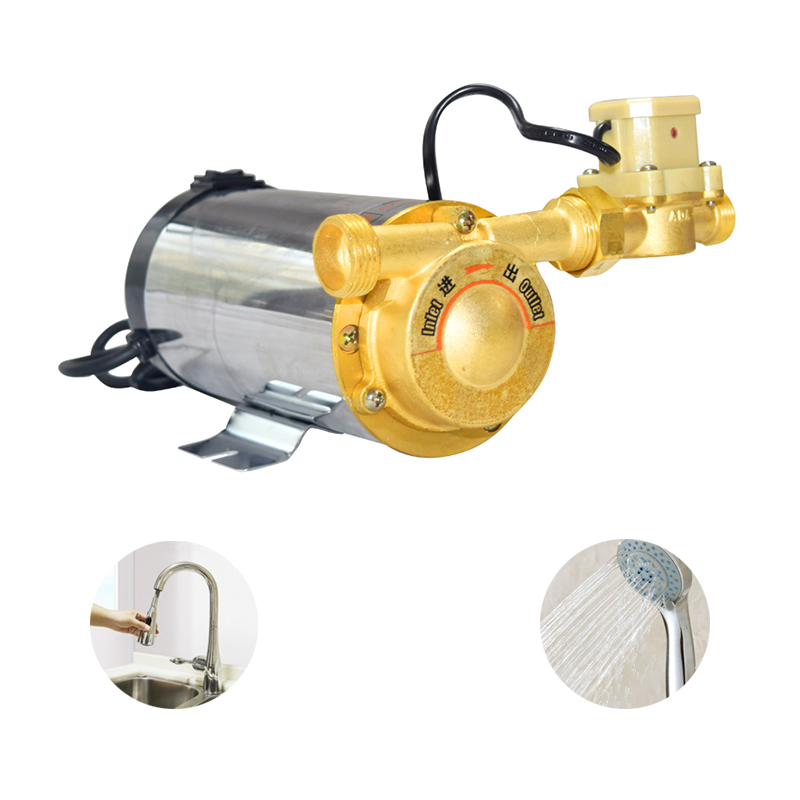
Booster pumps can encounter various issues that affect their performance. Common problems include:

Cavitation: This occurs when the pump  experiences low  pressure  at the inlet,  leading  to vapor bubble formation. It can  cause significant  damage to the impeller. To  mitigate this, ensure that the  pump is installed at the correct elevation and that the  inlet conditions  match the manufacturer's specifications.

Vibration and Noise: Excessive vibration can indicate misalignment or wear in the  pump components. Regular  maintenance checks can help identify and rectify these issues before they escalate.

Seal Failures: Seals can wear out over time, leading to leaks. Monitoring for  leaks and replacing seals as  needed is  crucial for  maintaining pump integrity.

Overheating: This can occur due to insufficient lubrication  or flow rate discrepancies.  Ensure that the pump is properly sized for your application and that the cooling system is functioning effectively.

Implementing a regular maintenance schedule  and addressing issues promptly can enhance the lifespan and reliability of your booster pump.

Exploring Diverse Applications of Booster Pumps in Various Industries

Exploring Diverse Applications of Booster Pumps in Various Industries

Booster pumps are utilized across various sectors, including:

Water Supply Systems:  In municipal water systems, booster pumps  help maintain adequate pressure for distribution networks, ensuring residents have reliable access  to water.

Agriculture: These pumps are essential for irrigation systems, enabling farmers to  deliver water efficiently to crops,  particularly in regions with limited water supply. For effective farm irrigation, consider the Portable Solar Water Pump for Farm Irrigation & Remote Area Water Transfer.


Fire Protection Systems: Booster pumps are critical for fire  suppression systems, ensuring that sufficient water  pressure is  available to  combat fires effectively.

Industrial Processes:  In manufacturing  settings, booster pumps enhance the efficiency of cooling  systems, process water  systems,  and chemical transport.


Understanding the specific demands of your industry will  guide you in selecting the  most suitable booster  pump for your needs.


How to Compare Booster Pumps for Your Next Project Purchase

When comparing booster pumps for your next project, consider the following factors  to make  an informed choice:

Performance Specifications: Assess the  flow rate, pressure rating, and  motor power as discussed  earlier. Ensure  that these  align with your project requirements.

Material and Construction Quality: Investigate the materials used in the pump's construction. Pumps  made from high-quality materials will typically offer better durability and  reliability.

Customization Options: If your application has unique requirements, consider suppliers that offer customization capabilities. Larissa Motor  specializes in  tailoring products to meet  specific needs, ensuring optimal performance.

Manufacturer Reputation: Research the manufacturer’s history, experience, and customer feedback. A  company with a solid track record in producing reliable booster pumps is more likely to  meet your quality expectations.

Support  and Warranty: Look for manufacturers that provide comprehensive support and warranty options. This can be vital for addressing any issues that  may arise after purchase.

By considering these factors,  you can systematically evaluate  different booster pump options, ensuring  that you make  a choice that aligns with your operational requirements and budget constraints.

Choosing the Right Booster Pump for Your Industrial Applications

When selecting a booster pump,  the first step  is identifying your specific requirements. Consider factors such as the  desired flow rate, pressure boost, and the fluid being pumped. Booster  pumps  come  in various types, including  centrifugal and  positive displacement pumps,  each  suitable for different applications. For instance, centrifugal pumps are ideal for transferring large  volumes of low-viscosity fluids, while positive displacement pumps are better  for  high-viscosity liquids  or applications requiring higher pressure. For high-pressure applications, you may want to consider the Horizontal Multistage Centrifugal Pump for High Pressure Water Supply Systems.

It's also essential to  assess  the pump's  compatibility with your existing system. Check for the required inlet and outlet sizes, and ensure that the  pump's  materials are suitable for the fluid's chemical properties to prevent degradation or failure. Larissa Motor, since 1998, has honed its manufacturing capabilities to customize electromechanical products, ensuring that their booster pumps meet diverse industrial needs effectively.


Get a Professional Sourcing Quote

Our pump experts will review your request and reply within 12 hours.
Choose Your Needs Optional Business Type
Customization Requirements Optional
Email
Name
Company Name & Website
Message
0/1000

Related product categories