Understanding Deep Well Pump Price and Selection

Get a Professional Sourcing Quote

Our pump experts will review your request and reply within 12 hours.
Choose Your Needs Optional Business Type
Customization Requirements Optional
Email
Name
Company Name & Website
Message
0/1000

deep well pump price

Deep well pumps are essential  for  extracting water  from  deep underground sources, and understanding the  factors that  influence deep well pump  price is  crucial for buyers in the  B2B sector. This  article aims to  provide insights into selecting the appropriate deep well  pump,  evaluating  quality standards, sourcing reliable  suppliers,  and considering a contractor's perspective. By  addressing these topics, purchasing managers and  engineers can make informed decisions that  align  with their project needs.
What Buyers Should Know

What Buyers Should Know

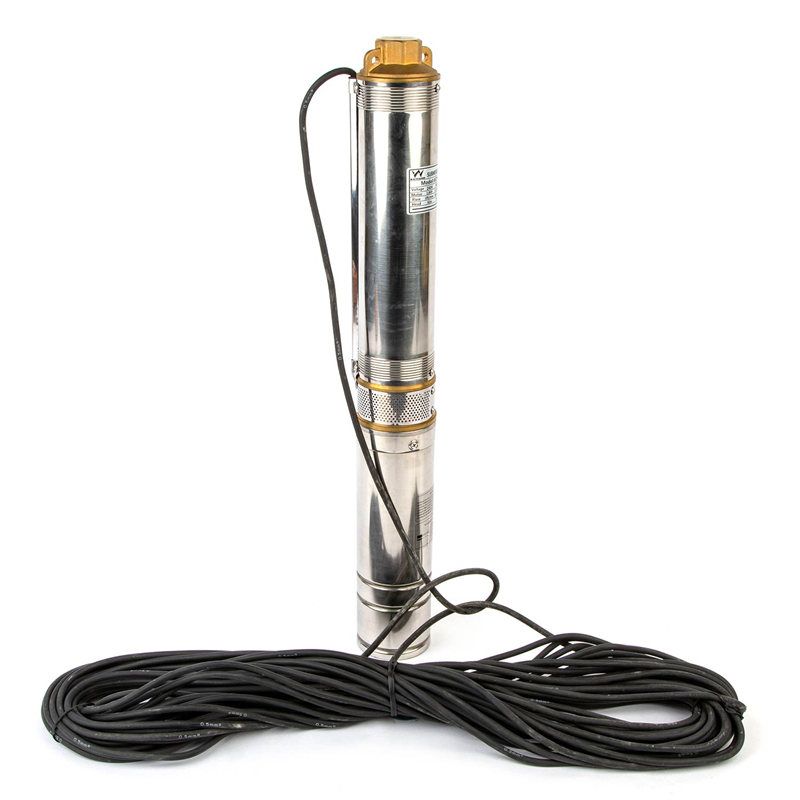
When  evaluating deep well pumps, buyers should be aware of several critical points that can impact  their purchasing decisions:

Quality Standards: Ensure that the pumps comply with international quality standards, such as ISO or ANSI. These certifications indicate that the product has undergone rigorous testing and meets performance expectations.

Pricing Factors: Understand that  deep  well  pump prices  can vary widely based on specifications,  materials, and customization options. Factors  such as pump size, horsepower, and additional features will influence overall  costs.

Minimum Order Quantity (MOQ): Many  manufacturers have  a minimum order  quantity, which can affect pricing and lead times. Ensure you are  clear about these requirements when discussing potential purchases.

Lead Time and Delivery: Ask  about the lead time for production and delivery, as this can vary based on order size and customization. Understanding this timeline is essential for project planning.

Quality Inspection: Buyers should  establish quality inspection  protocols to ensure that the pumps meet specified performance criteria before  accepting delivery. This may include visual inspections, pressure tests, and performance  evaluations.

By addressing these factors early in the purchasing process, buyers can mitigate risks and ensure that the pumps they acquire meet their operational needs.
Evaluating Quality Standards in Deep Well Pumps for Distributors

Evaluating Quality Standards in Deep Well Pumps for Distributors

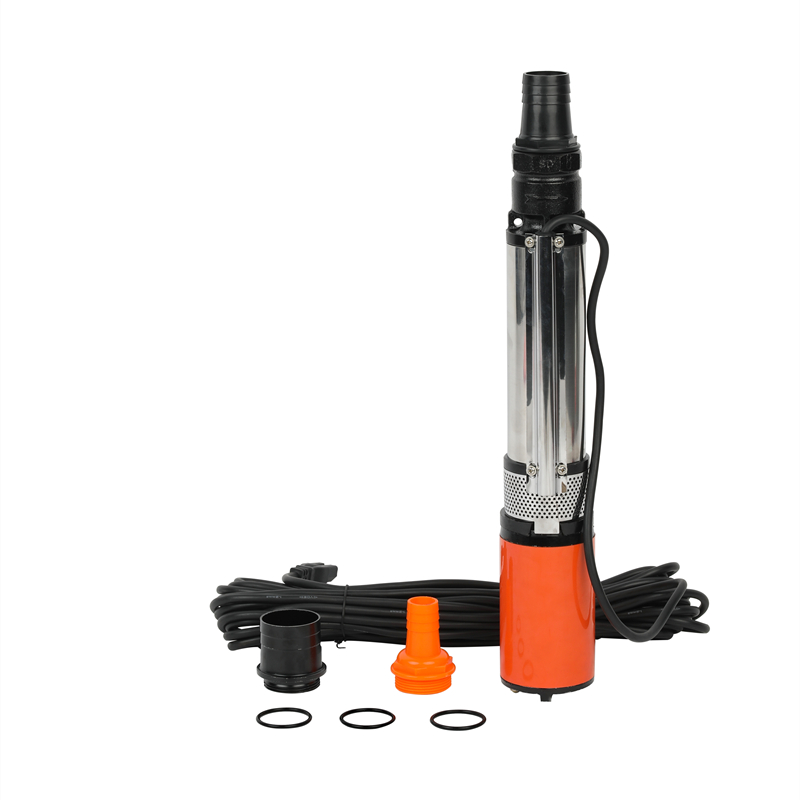
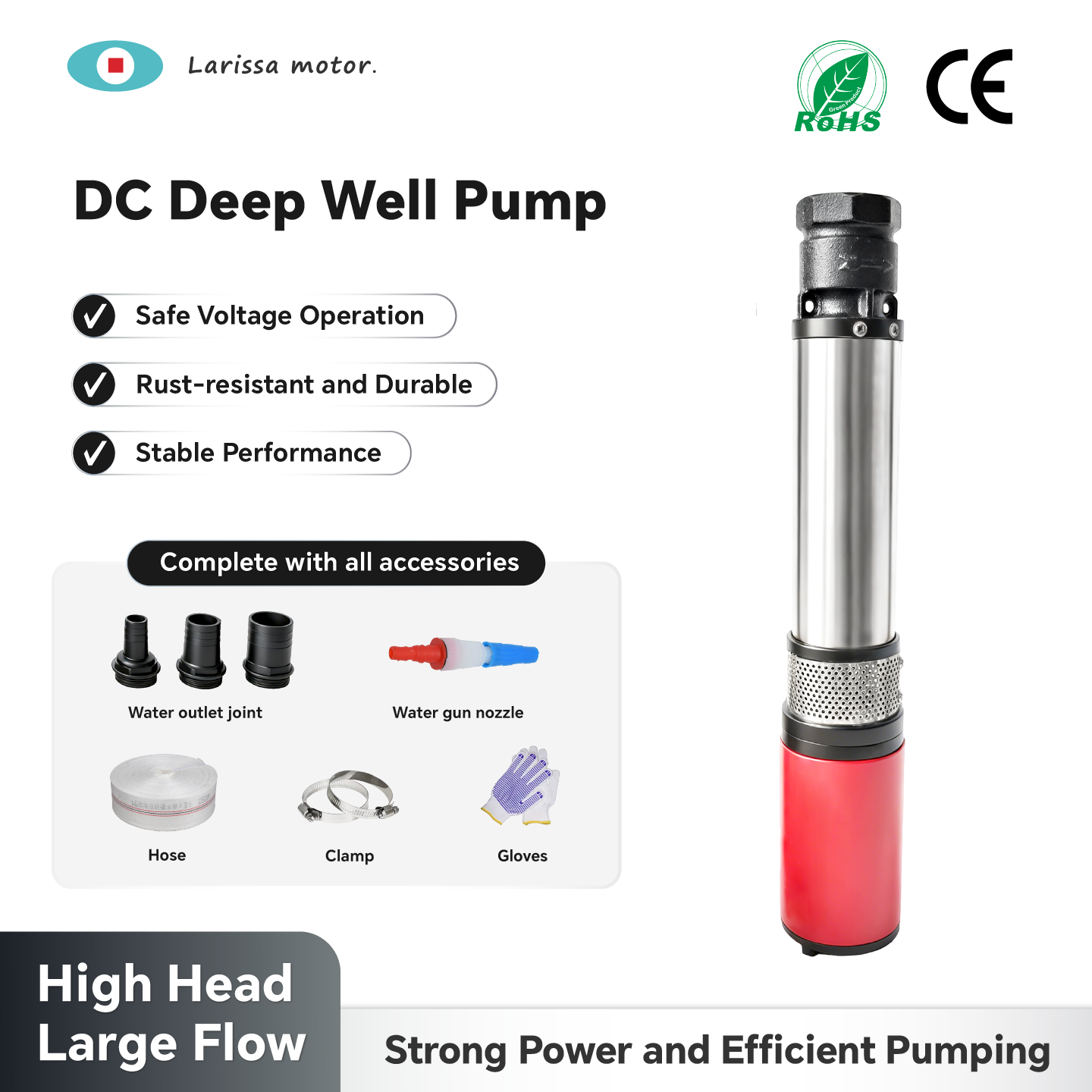
Distributors play a vital  role in ensuring that deep well pumps meet  the necessary quality standards for the market. Here are essential considerations for evaluating quality  standards:

Industry Certifications: Look for pumps that have  undergone certification  by recognized  organizations. Certifications can provide assurance  of compliance with safety, performance, and  efficiency standards.

Material Quality: Assess the quality of materials used  in the pump’s construction. High-quality materials like corrosion-resistant  alloys enhance durability and performance, particularly in challenging environments.

Performance Testing: Ensure that the manufacturer conducts comprehensive  performance  testing on their pumps. This  should include tests for flow rate, efficiency, and  operational stability under various conditions.

Warranty and Support: A robust warranty can be an indicator of a  manufacturer’s  confidence in their product quality. Additionally, consider the level of technical support and customer service provided post-purchase.

User Reviews and Case Studies: Seek feedback from other  distributors or end-users regarding their experiences with specific pump models. Case studies  can also provide insights into real-world performance and reliability.

Distributors should prioritize these quality standards to build trust with  their customers and ensure that the pumps they offer perform reliably across different applications.

Where to Source Reliable Suppliers for Deep Well Pumps

Where to Source Reliable Suppliers for Deep Well Pumps

Finding reliable suppliers for deep well pumps is crucial for ensuring  high quality and competitive  pricing. Consider the  following strategies for sourcing:

Industry Trade Shows: Attend industry-specific  trade shows to  meet potential suppliers and evaluate their products firsthand.  This provides an opportunity to discuss specifications, pricing, and customization options directly  with manufacturers.

Online Directories and Marketplaces: Utilize reputable online directories and B2B marketplaces to identify  manufacturers specializing in deep well pumps.  Look for suppliers with positive reviews and established reputations  in the  industry.

Networking: Leverage industry  contacts and professional networks to gather recommendations for trusted suppliers. Personal referrals  can often lead to reliable partnerships.

Manufacturer’s Capabilities: Assess the manufacturing capabilities of potential suppliers, including their production equipment, quality  control processes, and customization options. A supplier with in-house manufacturing can often provide better control over quality and lead times.

Global Reach: If your projects are international,  consider suppliers with experience in exporting to  your specific markets. Familiarity with local regulations and standards can streamline  the purchasing process.

By employing these strategies, buyers can identify suppliers  that not only meet their quality expectations but also align with their logistical  and operational  requirements.

A Contractor's Perspective

From a  contractor's viewpoint, selecting  the  right deep well pump involves  practical considerations that directly impact installation and long-term performance. Here are  some insights:

Installation  Compatibility: Ensure the  pump selected is compatible with existing infrastructure, including piping and  electrical systems. Mismatched components can lead to operational inefficiencies.

Ease of Maintenance: Opt for pumps designed for easy access and maintenance. A pump that requires  less downtime for servicing can significantly enhance operational efficiency.

Performance Under Load: Evaluate how the pump performs under load conditions similar  to those it will face during operation. This assessment is crucial for ensuring that the pump can handle peak demand  scenarios without failure.

Cost of Ownership: Consider the total cost of ownership, which includes not just the initial purchase  price but also installation costs, maintenance, and energy consumption. A more expensive pump may offer  better efficiency and  lower long-term costs.

Feedback from Operators: Engage with operators who  will be  using  the pump to understand their needs and concerns. Their insights can  provide valuable information on the practical performance of different pump models.

By incorporating these perspectives into the selection process, contractors can ensure they are choosing deep well pumps that will perform reliably and efficiently throughout their operational life.

How to Choose the Right Deep Well Pump for Your Project Needs

Selecting the  right deep well pump involves understanding several key factors, including the pump’s intended application, depth of the well, and the specific requirements for flow rate and pressure. Consider the following aspects:

Application: Determine the intended use, whether for agricultural irrigation,  industrial applications, or residential water supply. Each application may have different requirements for pump specifications.

Well Depth: The depth of the well directly affects the type of pump needed. Submersible  pumps are typically  used for deeper wells, while jet pumps may suffice for shallower applications.

Flow Rate and Pressure: Evaluate the  required flow rate (measured in  gallons per minute, GPM)  and pressure (measured in PSI). This information helps in selecting a pump that meets the performance criteria  for  your specific application.

Material Selection: Materials used in pump construction must  withstand the environmental conditions of the application, including chemical exposure, temperature fluctuations,  and potential  corrosion. Common materials include stainless steel, cast iron, and thermoplastics.

Customization: Depending on your project needs, you may require a pump with specific features, such as variable  speed  control or enhanced durability. Ensure that the manufacturer can accommodate your  customization requests, such as the Solar Powered Deep Well Submersible Pump for Off-Grid Water Supply & Irrigation.

By considering these  factors,  buyers can better align their pump selection with their  project  requirements, which ultimately affects the overall pricing.

Get a Professional Sourcing Quote

Our pump experts will review your request and reply within 12 hours.
Choose Your Needs Optional Business Type
Customization Requirements Optional
Email
Name
Company Name & Website
Message
0/1000

Related product categories