
Understanding Solar Motor Pump Pricing for Distributors

Get a Professional Sourcing Quote

Our pump experts will review your request and reply within 12 hours.
Choose Your Needs Optional Business Type
Customization Requirements Optional
Email
Name
Company Name & Website
Message
0/1000

solar motor pump price

Understanding the pricing  of solar  motor pumps  is crucial for B2B buyers, especially for those  in manufacturing, distribution, or engineering roles.  The solar motor pump price can vary  significantly  based on various specifications  and features. This  article will help you navigate the critical factors influencing  these  prices, ensuring you make informed  purchasing decisions. We  will cover  essential  aspects such as  key specifications, cost factors,  material  advantages,  and what you need  to know as a buyer.

Key Specifications to Review for Quality Solar Motor Pumps

Key Specifications to Review for Quality Solar Motor Pumps

When evaluating solar  motor pumps, focus on the following key specifications:

Flow  Rate: Measured in liters  per minute (L/min) or gallons  per minute (GPM), this indicates the volume of water the pump can  move. A higher flow rate is essential for applications requiring significant water delivery.

Head Height: This  refers to the maximum vertical distance the pump can lift water. It’s crucial to match this specification  with your installation requirements to ensure efficient operation.

Power  Consumption: Solar  motor pumps are often rated by their wattage. Efficient models can operate  effectively with lower power inputs, which can lead to cost savings  over time.

Durability and Material: The materials used in  the construction of the pump—such as  stainless steel  or thermoplastics—affect longevity and resistance to  corrosion or wear.

Efficiency Rating: Look  for pumps  with high-efficiency ratings,  which can save energy and  reduce operational costs.

These specifications not only reflect the quality of the  solar motor pump but also help buyers predict overall performance and potential long-term savings.
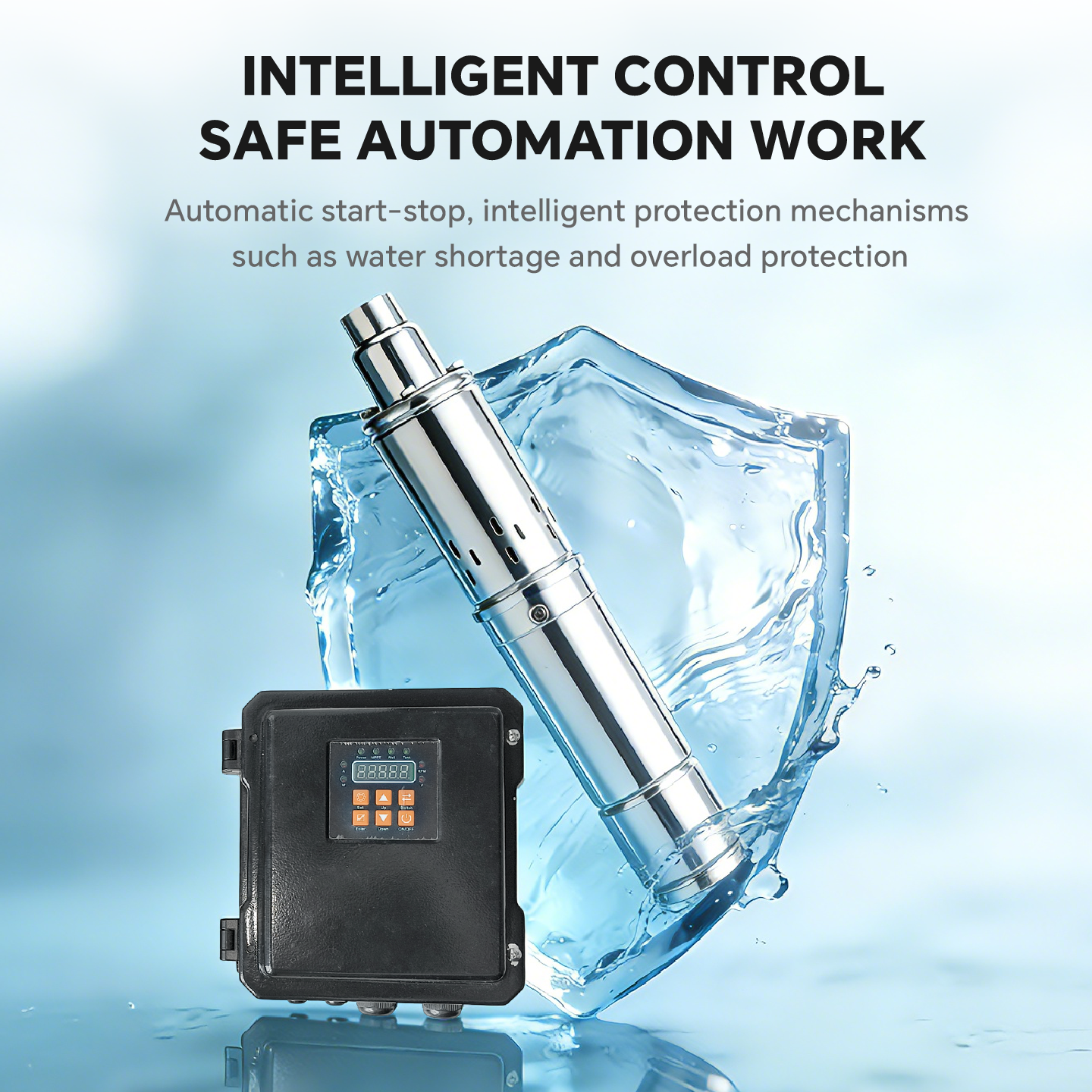
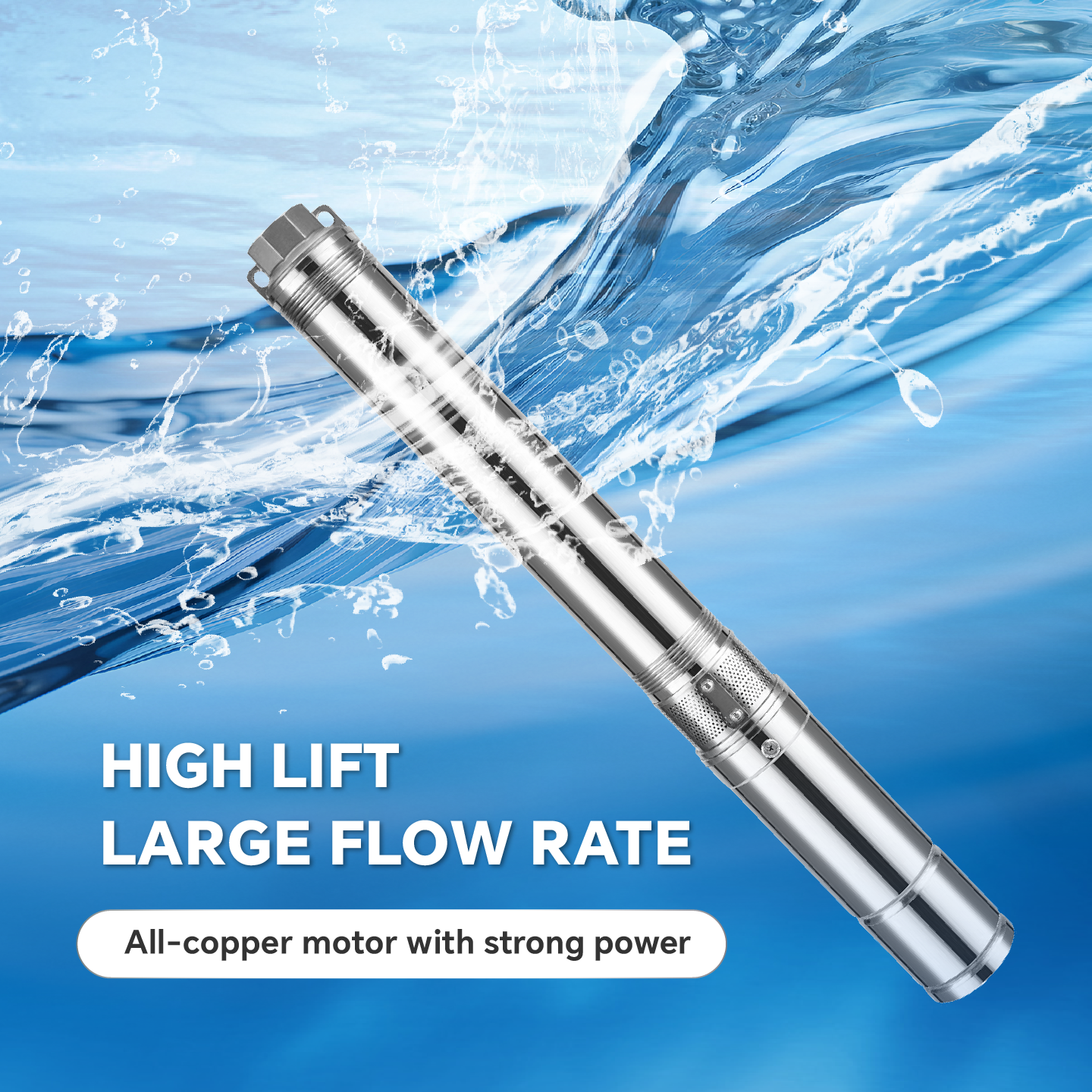
Cost Factors Influencing Solar Motor Pump Pricing for Distributors

Cost Factors Influencing Solar Motor Pump Pricing for Distributors

Several cost factors can influence the pricing  of solar motor pumps, particularly for distributors:

Manufacturing  Processes: In-house development and manufacturing, as practiced by companies like Larissa Motor, can lead to better control  over quality and potentially lower  costs due  to reduced outsourcing.

Material Costs: The choice of  materials significantly affects the final price. Higher-quality  materials that offer durability and resistance to environmental factors may increase the  initial  cost but  can provide better return  on investment.

Customization Needs: Custom specifications tailored  to meet unique customer requirements can increase costs. Buyers should clearly outline their needs to receive accurate quotes.

Order Volume: Pricing can vary based on order quantities. Larger orders often qualify for volume discounts, making it essential for distributors to consider their purchasing  strategy.


Shipping and Logistics: These costs can  vary greatly  depending on the delivery destination and the size and weight of  the pumps. Buyers should factor in these expenses when evaluating total pricing.

By understanding these cost factors, distributors can make more informed  purchasing decisions and negotiate better pricing.

 
Evaluating Material Advantages in Solar Motor Pump Purchases

Evaluating Material Advantages in Solar Motor Pump Purchases

The materials  used in solar motor pumps play a crucial role in performance and durability. Here  are  some common materials and their advantages:

Stainless  Steel: Known for its strength and corrosion resistance, stainless steel pumps are ideal for applications in  harsh environments. They provide  longevity  and require less maintenance, making them a cost-effective choice  over time.

Thermoplastics: Lightweight and resistant to corrosion, thermoplastics can be suitable for  less demanding applications. They often come at a lower price point but may not  offer the same durability as  metal options.


Composite Materials: These can provide a balance between weight and strength, often used in applications requiring a robust  yet lightweight solution.


When  choosing a pump,  buyers should consider the environmental conditions  it will face and select materials that can  withstand those conditions. This consideration can lead to longer service life and reduced operational costs.

What Buyers Need to Know

As  a buyer, there  are  several key considerations to streamline your purchasing process for solar motor pumps:

Request  Detailed Quotations: When reaching out to suppliers, provide specifics regarding the application,  desired specifications,  and any customization needs. This information helps suppliers give accurate pricing.

Sample Evaluation: Always request a sample before committing  to a large order. Evaluate the  pump under operational conditions to ensure it meets  performance expectations.

Confirm Specifications: Verify critical  specifications such as flow rate, head  height,  and  efficiency before placing an order. Inaccuracies can lead to operational failures or higher costs.

Check Quality Control Processes: Inquire about  the manufacturer’s quality control measures.  Companies with robust quality systems are more  likely to deliver reliable products.

Understand Lead Times: Be  aware of production lead times, especially for customized products. Early communication can help manage expectations regarding  delivery.

By addressing these considerations, buyers can enhance their procurement strategy, ensuring they select the right solar motor pumps for their needs while optimizing costs.

What to Consider When Evaluating Solar Motor Pump Prices for Wholesale

When assessing solar motor pump prices for  wholesale, several critical factors  come into play. Key specifications, such as pump  capacity, efficiency,  and durability,  will  directly affect the pricing. Buyers should understand their specific application requirements—whether for irrigation, water supply, or industrial use—as these will dictate the design and performance needed from the pumps.

Additionally, the manufacturer's reputation and production process can influence price. Established companies like Larissa Motor, which has been in the electromechanical  product industry  since  1998, often  provide more reliable products due  to their quality control processes  and adherence  to international  standards. Buyers should also  consider the level of customization required, as bespoke solutions typically come at a higher  price but can offer superior performance and efficiency  for specific  applications.


Get a Professional Sourcing Quote

Our pump experts will review your request and reply within 12 hours.
Choose Your Needs Optional Business Type
Customization Requirements Optional
Email
Name
Company Name & Website
Message
0/1000

Related product categories