Reliable Dewatering Pumps for Wholesale Buyers

Get a Professional Sourcing Quote

Our pump experts will review your request and reply within 12 hours.
Choose Your Needs Optional Business Type
Customization Requirements Optional
Email
Name
Company Name & Website
Message
0/1000

dewatering pump

Dewatering pumps are essential tools  used across various industries for  removing excess water  from  sites  or processes. They are  particularly  critical  in construction, mining,  and wastewater  management.  For B2B buyers,  concerns  often  center  around reliability, performance, and the suitability  of a dewatering pump for specific applications. This article will guide you through  the key considerations when  selecting a dewatering pump, sourcing suppliers,  troubleshooting common  issues, and understanding their applications across different sectors. Additionally, exploring options like Solar Pumping Systems can be beneficial for specific requirements.
Key Specifications to Evaluate in Dewatering Pumps for Bulk Orders

Key Specifications to Evaluate in Dewatering Pumps for Bulk Orders

Finding trustworthy suppliers for dewatering pumps involves several strategic steps:

Research and Reviews: Begin by researching potential suppliers online,  focusing on customer reviews and ratings. Look for  suppliers with a solid reputation in the  industry for quality and service.

Request for Quotes  (RFQs): Prepare an RFQ that outlines your specific needs, including flow rates, materials, and any customization required. This not only helps suppliers provide accurate quotes but also gives you insight into their responsiveness and willingness to meet your needs.

Evaluate  Certifications: Ensure that suppliers comply with  international standards and hold relevant certifications. This  can include ISO certifications  that  demonstrate their commitment to quality and  safety standards.

Visit Manufacturing  Facilities: If possible, visit the manufacturing facilities to gain firsthand insight into their production processes,  quality control measures, and overall capabilities. This can  help  establish trust in their ability to deliver high-quality products.

Consider Lead  Times and Support: Discuss the expected lead  times  for production and  delivery. Additionally, evaluate the level of after-sales support offered by the supplier, which can be critical for troubleshooting issues  post-purchase.
Understanding the Cost Factors of High-Quality Dewatering Pumps

Understanding the Cost Factors of High-Quality Dewatering Pumps

Dewatering pumps can face several common  issues  during operation. Here are some of the most  prevalent problems and their solutions:

Clogging: Debris and sediment can cause clogs  in the pump, reducing  efficiency.  Regular maintenance, including cleaning filters and inspecting the intake, can prevent this issue.

Overheating: This can  occur if the pump operates dry or if there is insufficient  cooling. Ensure that the pump is submerged adequately and consider using  thermal protection devices to prevent damage.

Vibration and Noise: Excessive vibration or noise can  indicate misalignment or wear in the pump components. Routine inspections and maintenance can  identify these issues early, allowing for timely repairs.

Electrical  Issues: For electric pumps, check the  power supply and wiring  regularly.  Overvoltage or under-voltage conditions can  lead to pump failure. Using  voltage regulators can help mitigate this risk.

Seal Failures: If seals are compromised,  it can lead to leaks and loss of efficiency. Regular inspection and replacement of  seals can prevent significant operational  issues.

Common Installation Challenges with Dewatering Pumps and Solutions

Common Installation Challenges with Dewatering Pumps and Solutions

Dewatering pumps find applications  in multiple sectors, each with specific requirements:

Construction: In  construction sites, dewatering  pumps are crucial for removing groundwater and preventing  flooding, ensuring work can proceed  safely and efficiently.

Mining: In mining operations, dewatering  pumps are  used to manage  water levels in  open  pits and underground mines,  facilitating safe  and effective extraction of minerals. For more detailed applications in this sector, consider reviewing our Industrial & Mining solutions.

Wastewater Management: These pumps are integral to municipal and industrial wastewater treatment facilities, where they help manage and transport effluent and stormwater.

Agriculture: Farmers  utilize dewatering  pumps for  irrigation and managing excess water during heavy rains, ensuring optimal soil conditions for  crop growth.

Flood Control: In flood-prone  areas, dewatering pumps are  employed to quickly remove excess water from communities, helping to mitigate damage and restore  normalcy.

Evaluating Material Advantages in Our Dewatering Pump Range

Wholesale buyers  should consider various quality features when evaluating dewatering pumps:

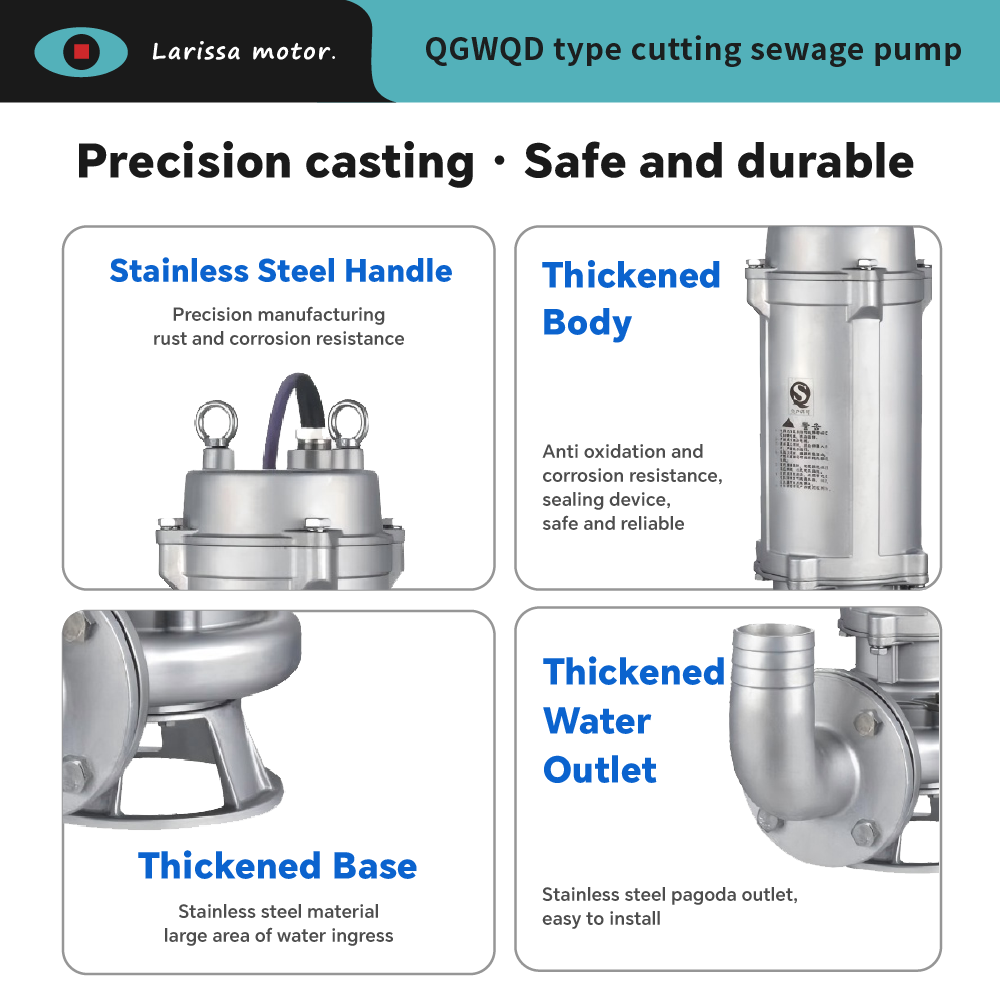
Material Quality: The choice of materials affects  durability and performance. Buyers should compare options like stainless  steel versus plastic or  aluminum, based  on the specific environments in which the pumps will operate.

Pump Efficiency: Look for pumps  that offer high efficiency ratings. This not only impacts performance but also affects operational  costs over  time.

Maintenance Requirements: Evaluate how easy it is to  service the pump. Models with easily accessible  parts and  clear maintenance  guidelines can  save time and costs in the long run.

Performance Specifications: Ensure that the pumps meet or exceed the necessary specifications for your  intended applications. This includes verifying flow rates, head pressure, and operational limits.

Warranty and Support: A robust warranty and responsive customer support can provide peace of mind for wholesale buyers.  This ensures that any  issues can be resolved quickly, minimizing  downtime.

By understanding  these considerations and applying them during  the selection process, B2B buyers can make informed decisions that align with their operational needs and project requirements.

Where to Source Reliable Dewatering Pumps for Wholesale Purchases

When selecting a dewatering pump, several factors should be  taken into account  to ensure optimal performance for your specific application:

Flow Rate and Head Pressure: The pump's capacity to move water is defined by its flow rate (typically measured in gallons  per minute or liters per second) and head pressure (the height that water needs to be lifted). Assess the maximum flow rate required for your  project and the necessary head to effectively remove water.

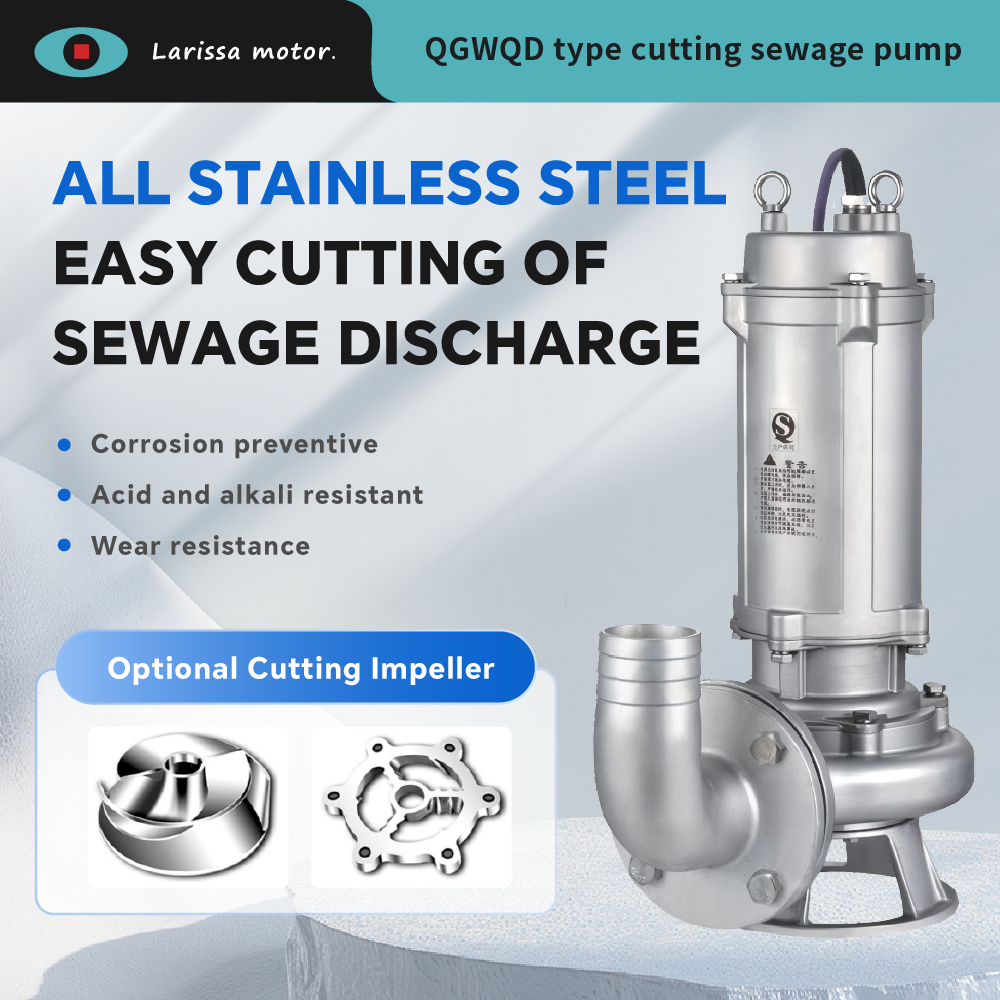
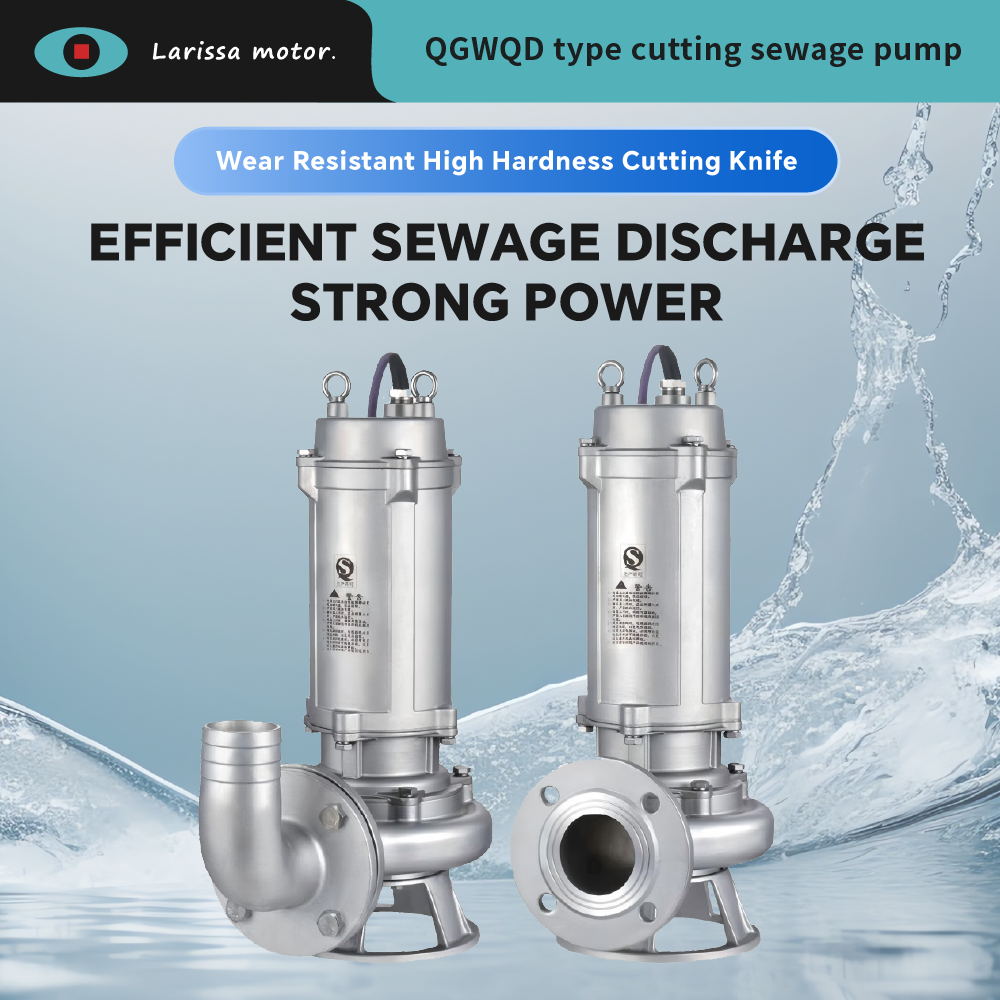
Pump Type: Dewatering pumps  come in various  types, including submersible, centrifugal, and diaphragm pumps. Submersible pumps are  ideal for deeper water levels, whereas centrifugal pumps are better for  surface-level dewatering. Understanding the specific needs of your project will help in selecting the right type. Consideration of Submersible Pumps may also be relevant depending on your project's depth requirements.

Materials and Durability: The materials used in the construction of the pump can  significantly affect its performance and longevity. Pumps made  from stainless steel or cast iron are typically more durable and resistant to corrosion, especially in harsh  environments.

Power Source:  Dewatering pumps can  be powered  by electricity, diesel, or gasoline. The choice of power source may depend on the availability  of  power at the job site and the mobility requirements for the pump.

Customization and Features: Depending on your project, you may  require specific features such as automatic shut-off, float switches, or custom fittings. Discussing  customization options with your supplier can help meet  unique project requirements.

Get a Professional Sourcing Quote

Our pump experts will review your request and reply within 12 hours.
Choose Your Needs Optional Business Type
Customization Requirements Optional
Email
Name
Company Name & Website
Message
0/1000

Related product categories