EN
EN

Solar pumps are innovative devices that harness solar energy to move water, making them an ideal solution for agricultural, industrial, and residential applications. Understanding the various factors influencing solar pump price is essential for purchasing managers and decision-makers in B2B environments. Buyers often face concerns related to supplier reliability, product specifications, installation challenges, and quality assurance. This article will guide you through selecting the right supplier, comparing key specifications, identifying common installation issues, and evaluating quality control measures in solar pump manufacturing.
Key Specifications to Compare for High-Quality Solar Pumps
When comparing solar pumps, focus on several key specifications that significantly impact performance and suitability for your application:
Flow Rate: This is a critical metric that indicates how much water the pump can move in a given time. Ensure the flow rate aligns with your project's requirements.
Head Height: The head height refers to the vertical distance the pump can lift water. Depending on your installation site, you may need a pump with a higher head height to overcome elevation changes.
Material: The materials used in the pump's construction affect durability and corrosion resistance. For example, pumps made with high-grade stainless steel or UV-resistant plastics may offer longer lifespans in harsh environments.
Power Source: Solar pumps are powered by solar panels. Ensure the system is compatible with the available solar panel options and meets your energy needs.
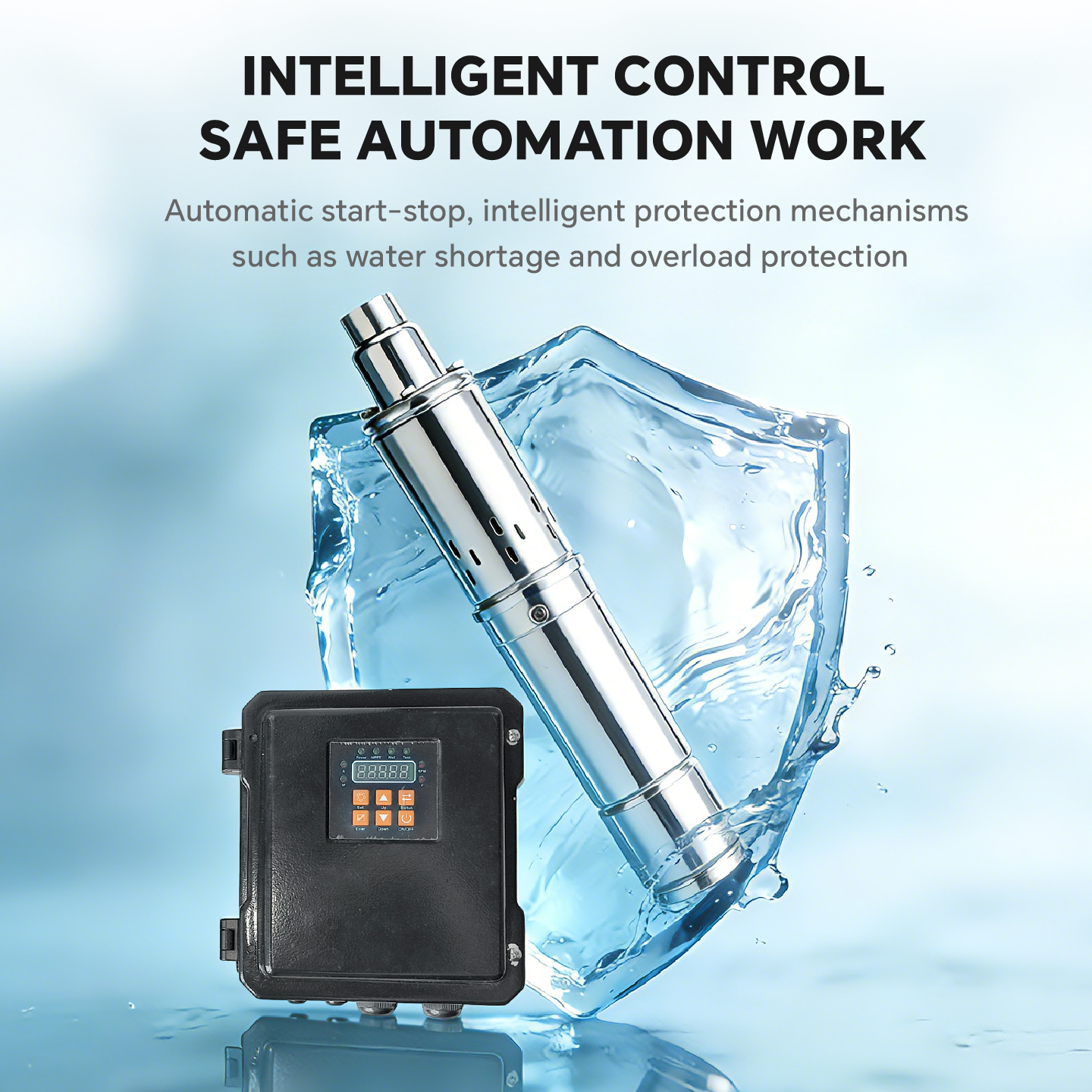
Control Systems: Some solar pumps come with advanced control systems that optimize performance based on solar availability. This can be a valuable feature for improving efficiency.
Understanding these specifications allows you to make informed comparisons that align with your operational needs.