EN
EN
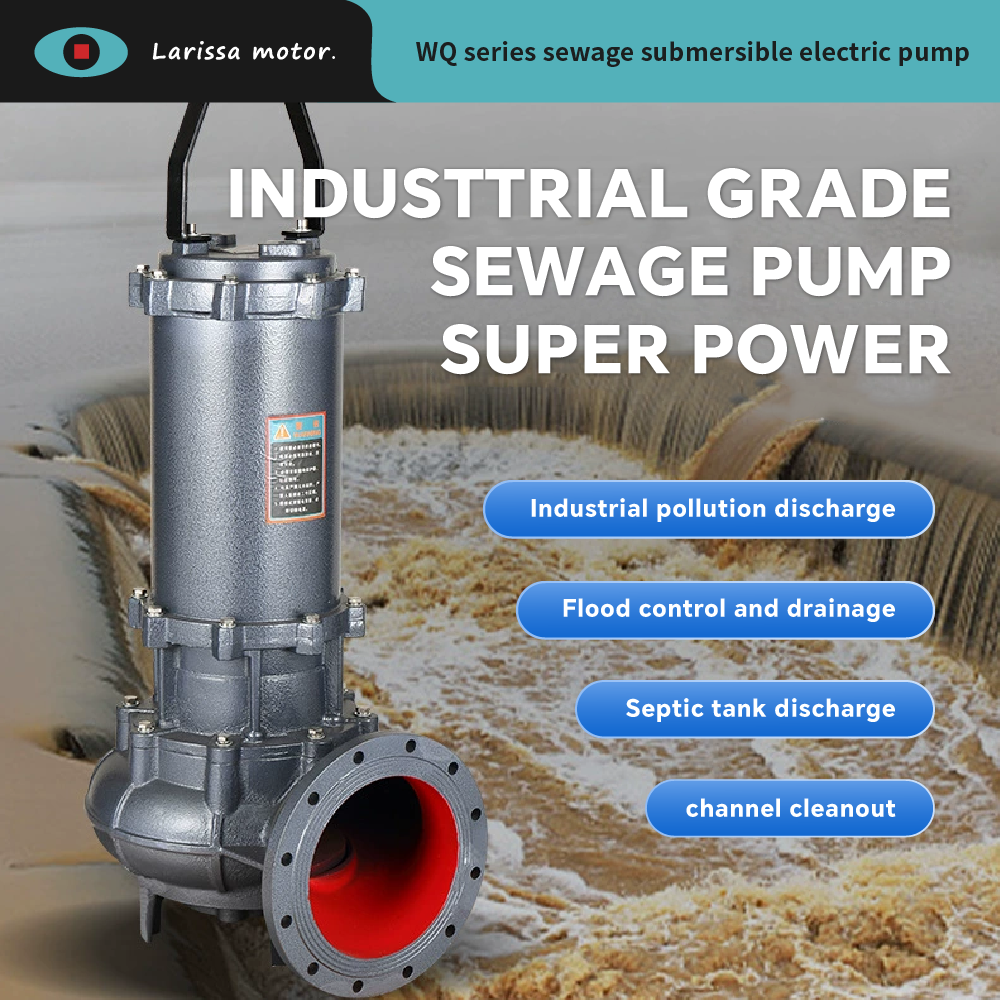
Submersible sewer pumps are essential devices used in various applications to manage wastewater and sewage effectively. For professionals in manufacturing, engineering, and construction, understanding the critical factors surrounding these pumps is vital for making informed purchasing decisions. This article will guide you through the process of selecting the right submersible sewer pump, evaluating key specifications, understanding cost factors, exploring industrial applications, and highlighting essential information contractors need to know. For instance, when looking for pumps suitable for construction sites, you might consider Construction & Drainage Pumps as a potential option.
Key Specifications to Evaluate in Submersible Sewer Pumps
Several specifications are critical when evaluating submersible sewer pumps:
Flow Rate: Measured in gallons per minute (GPM), the flow rate indicates how much water the pump can move within a certain timeframe. It must align with your project requirements to ensure efficiency.
Head Height: This refers to the height the pump can lift the wastewater. It's vital to choose a pump that can achieve the necessary discharge height for your particular application.
Motor Power: The horsepower (HP) of the motor affects the pump's efficiency and capability. Selecting an adequately powered motor helps to avoid overheating and ensures reliable operation.
Sealing and Protection: Look for pumps with robust sealing mechanisms to prevent water ingress, which can lead to motor failure. Additionally, pumps with thermal protection can automatically shut down in case of overheating.
Weight and Size: The physical dimensions and weight of the pump can impact installation. Ensure that the pump fits within your project constraints without compromising performance.
Understanding these specifications will help you make a more informed decision on which submersible sewer pump best suits your project needs.