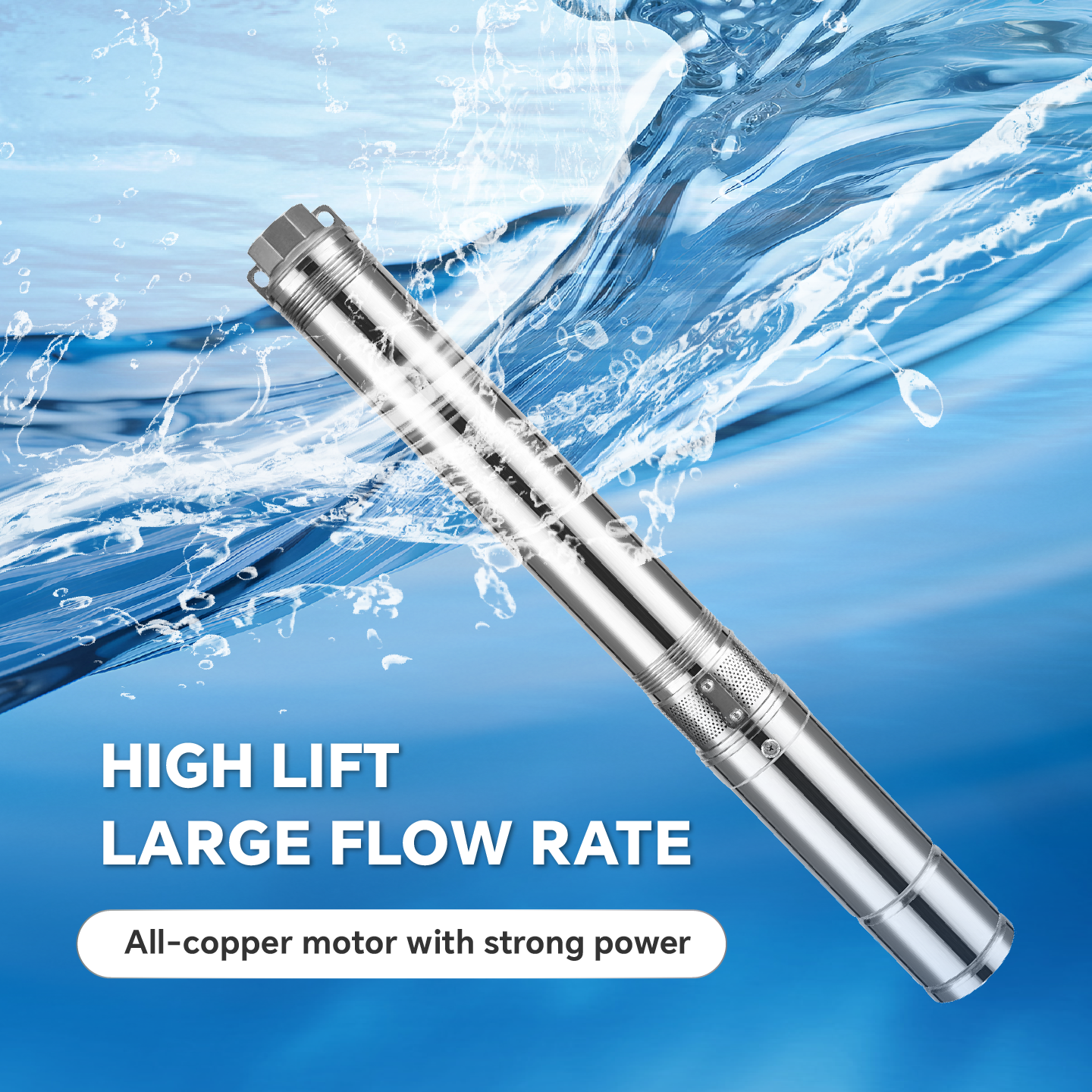
Key Specifications for Choosing Well Pumps

Get a Professional Sourcing Quote

Our pump experts will review your request and reply within 12 hours.
Choose Your Needs Optional Business Type
Customization Requirements Optional
Email
Name
Company Name & Website
Message
0/1000

well pump

Choosing the right well pump is crucial for ensuring the  efficiency and reliability of water  supply systems in  various applications. When  evaluating well pumps,  B2B buyers must consider  specifications,  manufacturer capabilities,  and potential issues  that  may arise  during operation. This article aims to provide insights into key specifications to consider, what to  look for  in manufacturers, common problems and solutions, sourcing methods  for  bulk  orders, and  how to  make  informed decisions tailored to  specific needs.
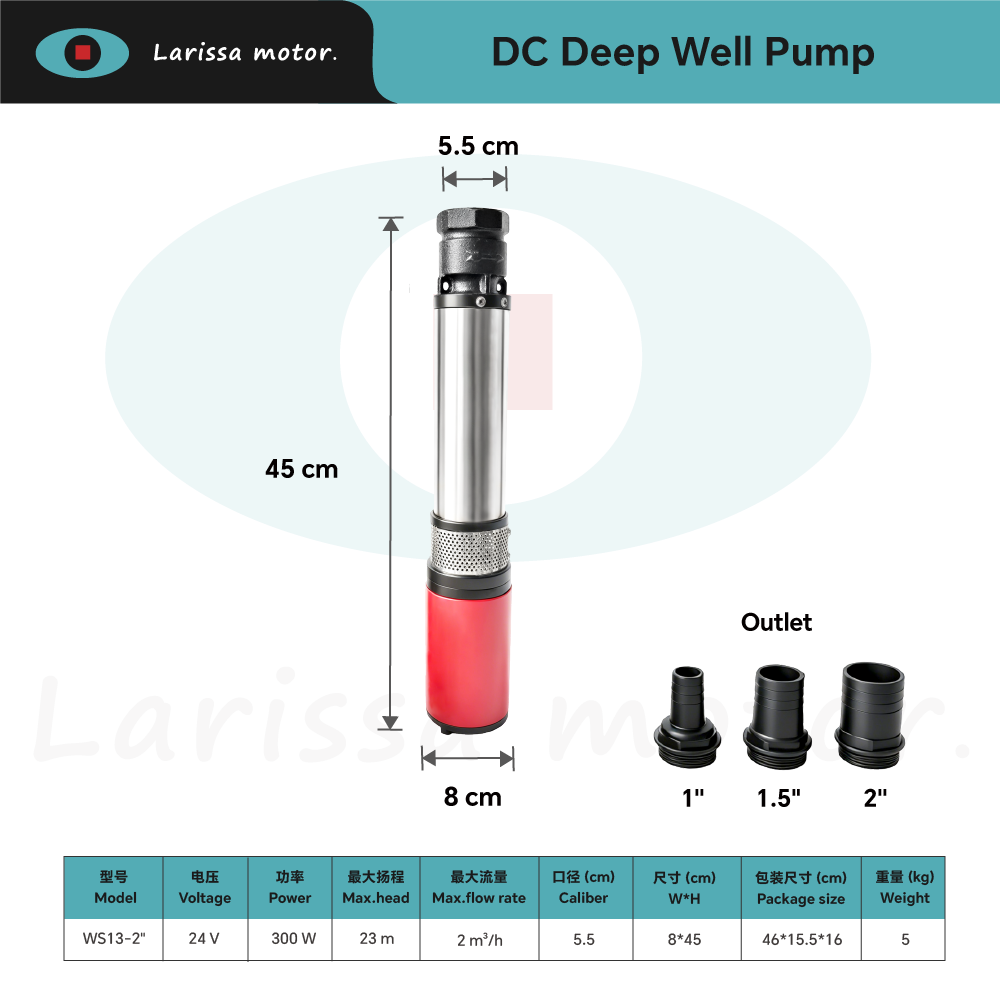
What to Look for in Well Pump Manufacturers

What to Look for in Well Pump Manufacturers

When evaluating potential manufacturers for  well  pumps, consider the following aspects:

Experience and Reputation: Choose manufacturers  with a proven track record in producing high-quality pumps. Larissa Motor, established in  1998,  offers extensive  experience in  developing electromechanical products, ensuring reliability and performance.

Customization Capabilities: Many projects  have unique  requirements. A manufacturer capable of customizing pumps  to meet specific needs—such as unique dimensions, materials, or performance standards—can be invaluable.

Quality Control Processes:  Investigate the  manufacturer’s quality assurance protocols. A robust quality control process should include testing at various stages of production to prevent defects and ensure that each unit meets  specified standards.


Production  Capacity: Ensure  the manufacturer can meet your volume requirements, particularly if you need bulk orders. Understanding their production capabilities can help you  establish realistic lead times and manage inventory effectively.

Technical  Support and Service: Reliable post-purchase support is crucial. Manufacturers that provide comprehensive technical assistance  and warranty services can help  resolve issues quickly, minimizing downtime.
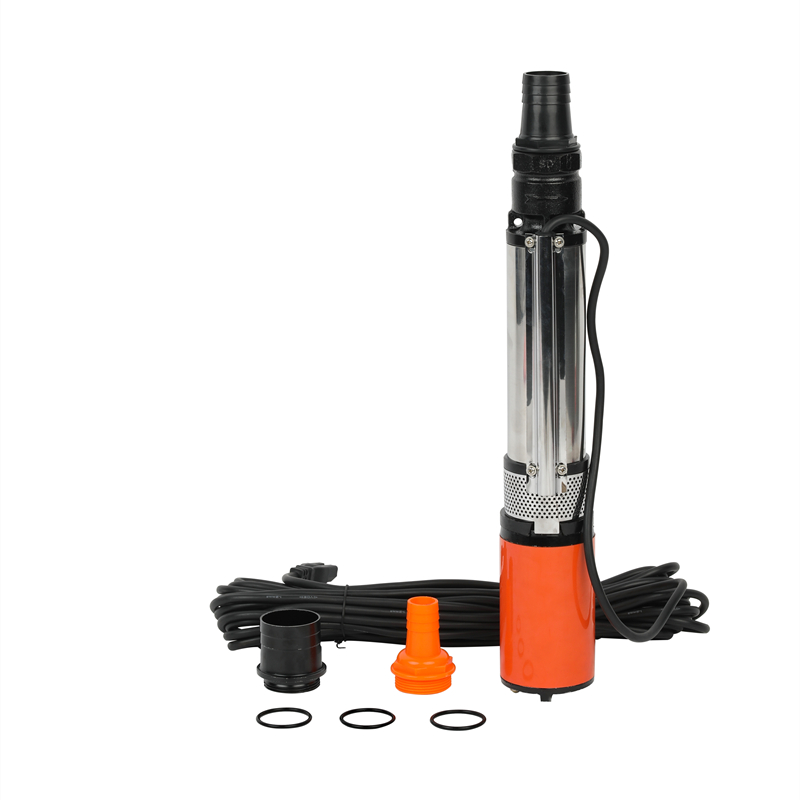
Common Problems with Well Pumps and Effective Solutions

Common Problems with Well Pumps and Effective Solutions

Understanding potential  issues with well pumps is essential for effective troubleshooting and maintenance.  Here  are some  common problems and their solutions:

Pump Not Starting: This can be due to electrical issues, a blown fuse, or a  malfunctioning pressure switch. Regularly checking  electrical connections and  components can help  prevent this issue.


Low Water Output: Insufficient flow can result from a clogged filter, air leaks,  or a pump that is not designed for the required pressure. Regular maintenance and proper sizing of the pump based on application needs  can mitigate  this problem.

Overheating: Overheating can occur if the pump runs dry or is poorly ventilated. Ensuring that the pump is appropriately submerged  and that  there is adequate airflow around  it can prevent overheating.

Corrosion and Wear: Pumps exposed to harsh chemicals or abrasive materials may corrode  or  wear out more quickly. Choosing pumps made from appropriate materials for specific applications can enhance  longevity.

Vibration and Noise: Excessive  vibration may indicate misalignment or loose components. Regular inspections and maintenance can help identify  and remedy these issues before they lead to more significant problems.

Where to Source High-Quality Well Pumps for Bulk Orders

Where to Source High-Quality Well Pumps for Bulk Orders

When sourcing well pumps for bulk orders, consider  the following strategies:

Direct from Manufacturers: Purchasing directly from established manufacturers like Larissa Motor can ensure you receive  high-quality products  at competitive prices. Direct relationships often facilitate better communication regarding specifications and customization options.

Industry Trade  Shows:  Attending industry trade shows can provide opportunities to meet with multiple manufacturers, evaluate products firsthand,  and  negotiate  bulk pricing.

Online Marketplaces: Trusted B2B marketplaces can connect you  with multiple suppliers. However, it’s essential  to vet suppliers thoroughly to ensure they  meet your quality  and reliability standards.

Distributors:  Partnering with reputable distributors can ease the sourcing process, as they often have established  relationships with  manufacturers and can provide valuable insights into product performance and availability.

Requesting Samples: Before  committing to a bulk order, requesting samples  allows buyers to  evaluate the product’s  quality  and suitability for their specific applications.

Making the Right Choice for Your Needs

Choosing the  right  well pump involves a careful assessment of  your specific needs  and the  available options. Here are  some actionable steps to guide your decision-making process:

Define Your  Requirements:  Clearly outline  the specifications and application requirements, including flow rate, head pressure, and material needs.

Research Manufacturers: Investigate potential manufacturers based on experience,  customization  capabilities, and  quality control processes. Look for those with a strong reputation in the industry.


Evaluate Samples and Prototypes: Before placing a large order, request samples to assess quality, fit, and  performance in real-world conditions. This  step can prevent future operational issues.

Consider  Long-Term Support: Ensure that your chosen manufacturer or supplier provides reliable technical support and warranty services, as this can significantly impact operational efficiency post-purchase.

Compare Costs and Benefits: While pricing is a  critical factor, consider the total cost  of ownership, including maintenance, durability, and performance, to  make a well-informed decision.

By following these guidelines  and leveraging the insights provided, B2B buyers can make informed decisions when selecting well pumps, ensuring that their investments meet operational needs and deliver long-term value.

Key Specifications to Consider When Choosing Well Pumps for Projects

Selecting the right well pump requires a careful  assessment of several key specifications. The following factors are essential:

Flow Rate: Measured in gallons per minute (GPM), the flow rate indicates the volume of  water a pump  can  deliver. It is crucial to match this specification with the needs of your application to avoid under or over-sizing the pump.

Head Pressure: This refers to the height the pump can lift water, typically measured in feet. Understanding the required head pressure helps ensure the pump can deliver water from the  well to the desired destination, overcoming gravity and friction losses.

Material Composition: Well pumps are often made  from various materials, including stainless  steel, thermoplastic, and  cast iron. The material affects durability, corrosion resistance, and suitability for specific water conditions. For example,  stainless steel pumps are ideal for  potable water applications due to their resistance to corrosion. Consider the ZW Self-priming Centrifugal Sewage Pump for high-efficiency options.


Power  Source: Well pumps can be powered by electricity or fuel. Electric pumps are more common and typically more efficient, while fuel-powered  pumps may  be necessary in remote areas without electrical access.

Pump Type: Different types  of pumps, such as submersible, jet, and centrifugal pumps, have varying advantages  based on installation depth and  application needs. Understanding the differences  can  help in selecting the most effective type for your project.

Certifications: Look for pumps adhering to international  standards, such as ISO or ANSI, as these certifications ensure quality and reliability in performance.

Get a Professional Sourcing Quote

Our pump experts will review your request and reply within 12 hours.
Choose Your Needs Optional Business Type
Customization Requirements Optional
Email
Name
Company Name & Website
Message
0/1000

Related product categories