 EN
EN
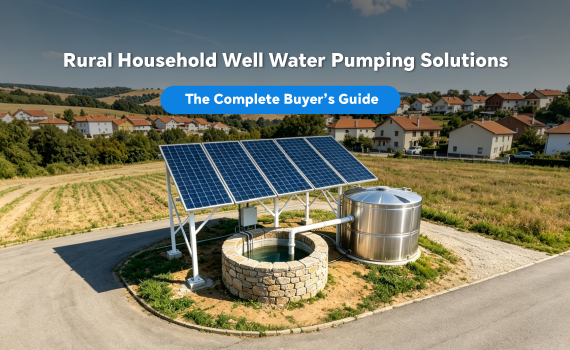
For off-grid homes and rural properties, a reliable water supply isn't a luxury—it’s an absolute necessity. However, moving water from deep underground to your kitchen tap comes with distinct challenges.
If you are dealing with dropping water tables, skyrocketing electricity bills, or frequent power outages, traditional pumping systems simply won't cut it anymore.
This comprehensive guide breaks down everything you need to know about modern rural household well water pumping solutions, helping you choose the most efficient, cost-effective, and low-maintenance system for your home.
A rural household well water pumping solution is an engineered system designed to extract groundwater and deliver it to your home under consistent pressure.
Unlike massive industrial operations, residential rural systems are optimized for compact sizing, extreme energy efficiency, and DIY-friendly maintenance.
Core Components of a Modern Well System
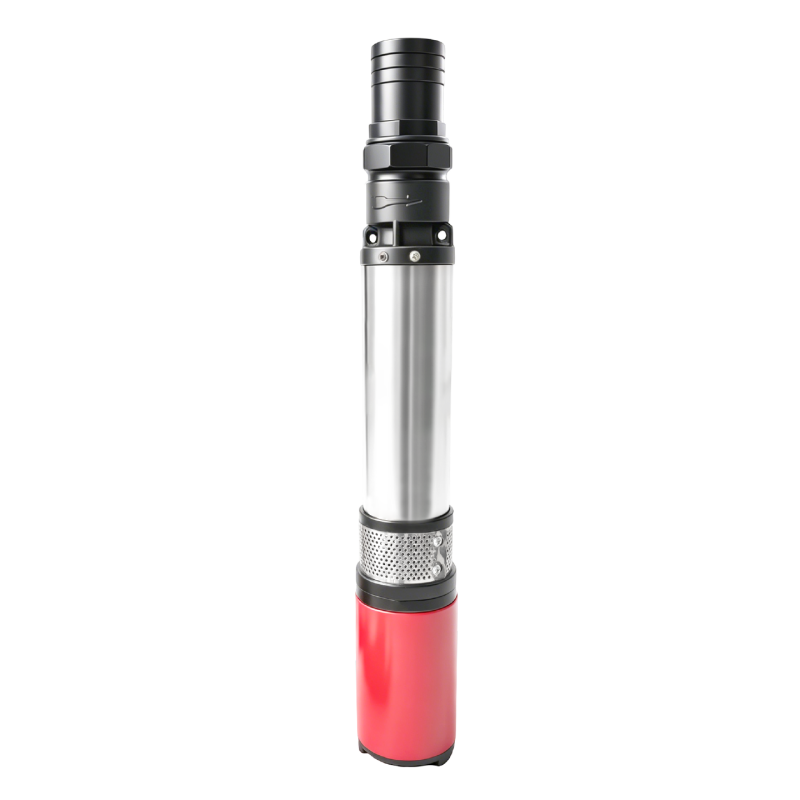
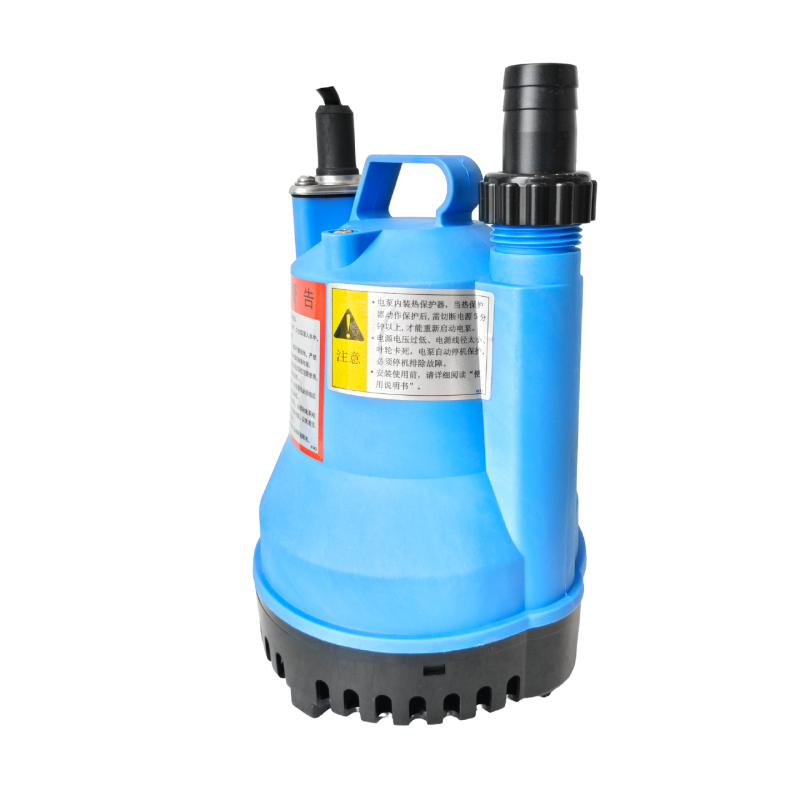
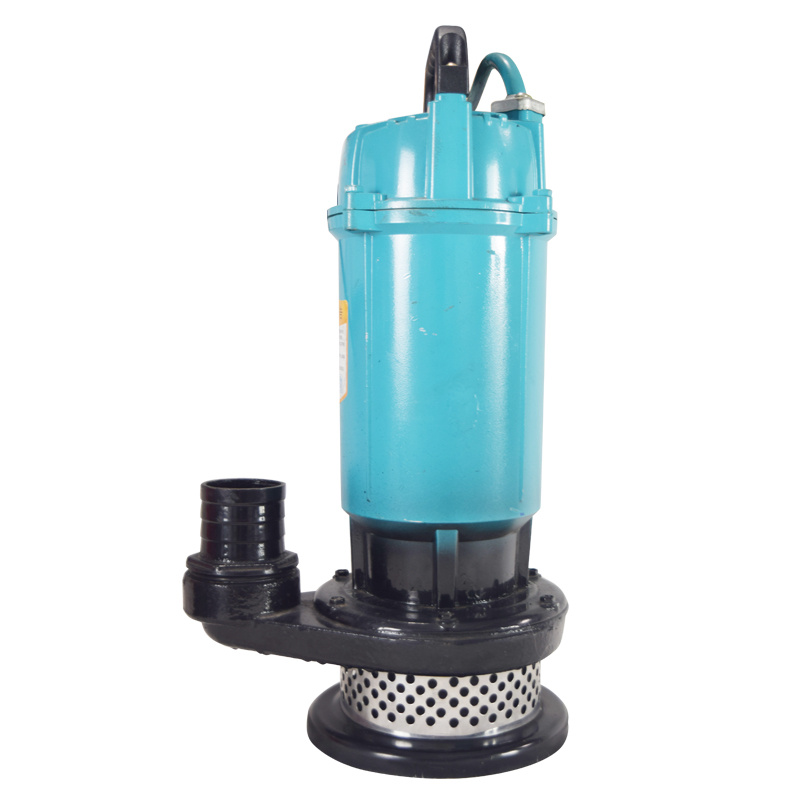
The Pump: Submersible (for deep wells) or surface/jet pumps (for shallow wells).
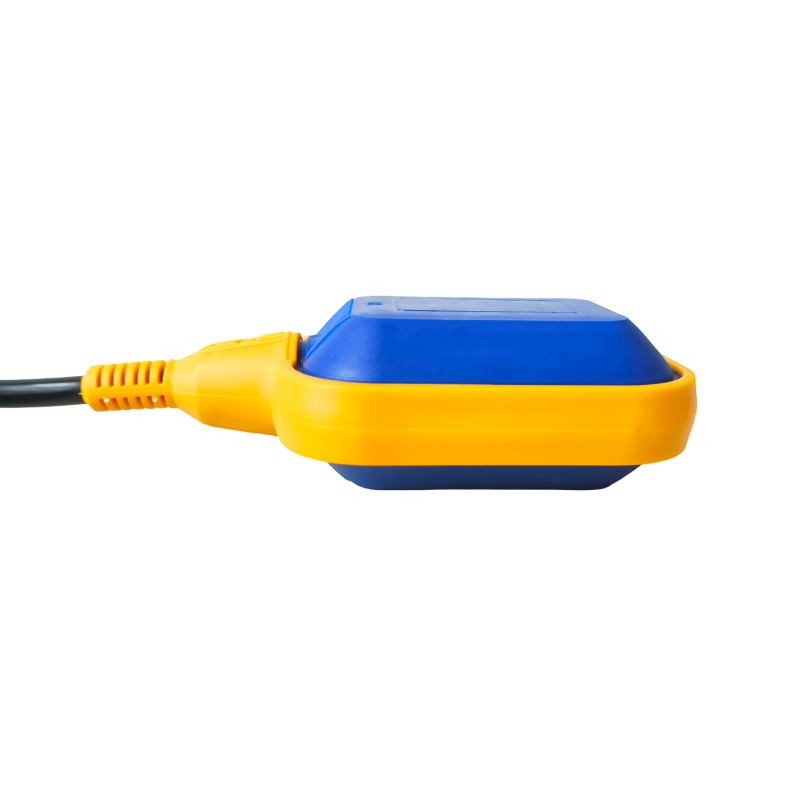
The Controller: An intelligent Variable Frequency Drive (VFD) or smart switch that regulates water pressure.
Pressure/Storage Tank: Stores pressurized water to prevent the pump from constantly turning on and off (cycling).
Power Source: Traditional grid electricity, 100% solar PV panels, or a smart hybrid configuration.
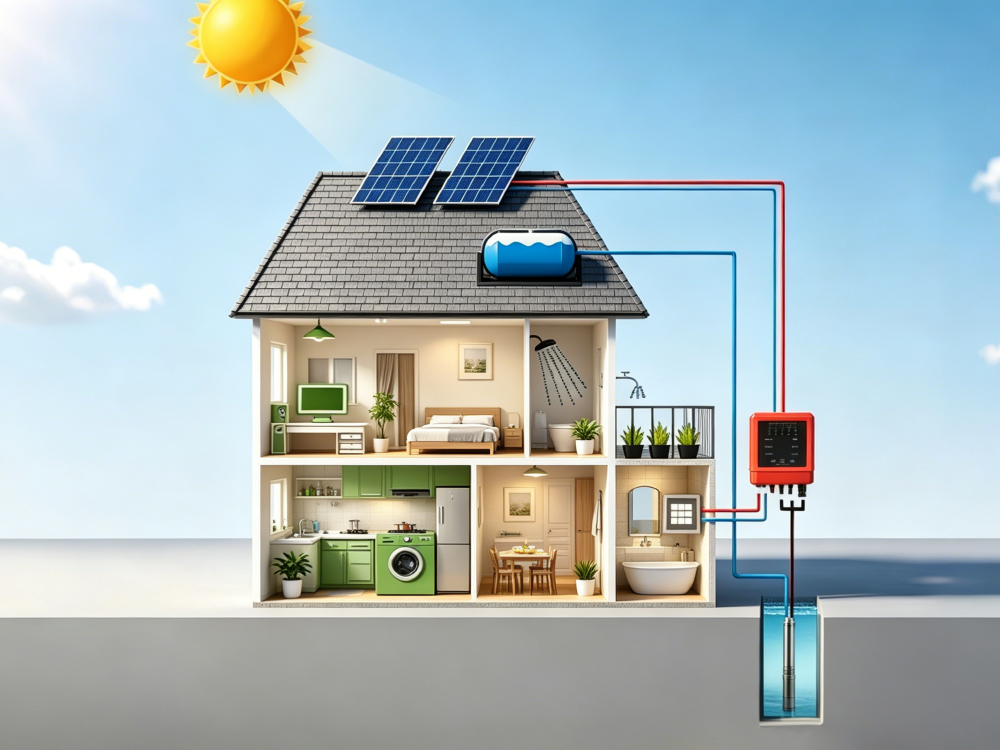
[Well Water Source] ➔ [Submersible Pump] ➔ [Smart Controller] ➔ [Pressure Tank] ➔ [Home Delivery]
Choosing the right power configuration is the most critical decision in your selection process. Here is how the two primary solutions stack up against each other:
Option A: Solar-Powered Well Pump Solutions
Perfect for off-grid homesteads, remote villages, or regions with highly volatile electricity grids.
● Pros: Zero ongoing electricity bills; completely immune to power grid failures; eco-friendly footprint.
● Best For: Long-term savings, livestock watering, and small-scale homestead irrigation.
Option B: AC Electric Well Pump Solutions
The standard choice for homes tied to a stable municipal power grid requiring instant, high-volume water flow.
● Pros: Highly stable continuous operation; stronger immediate water pressure; lower upfront installation equipment costs.
● Best For: Large multi-generational families and immediate high-demand household usage.
Option C: The Hybrid Advantage (Best of Both Worlds)
● Pro Tip for 2026: Modern smart controllers now allow for Hybrid Power Input. The system automatically prioritizes free solar energy during the day and seamlessly switches to the grid or a backup generator at night or during heavy overcast weather.
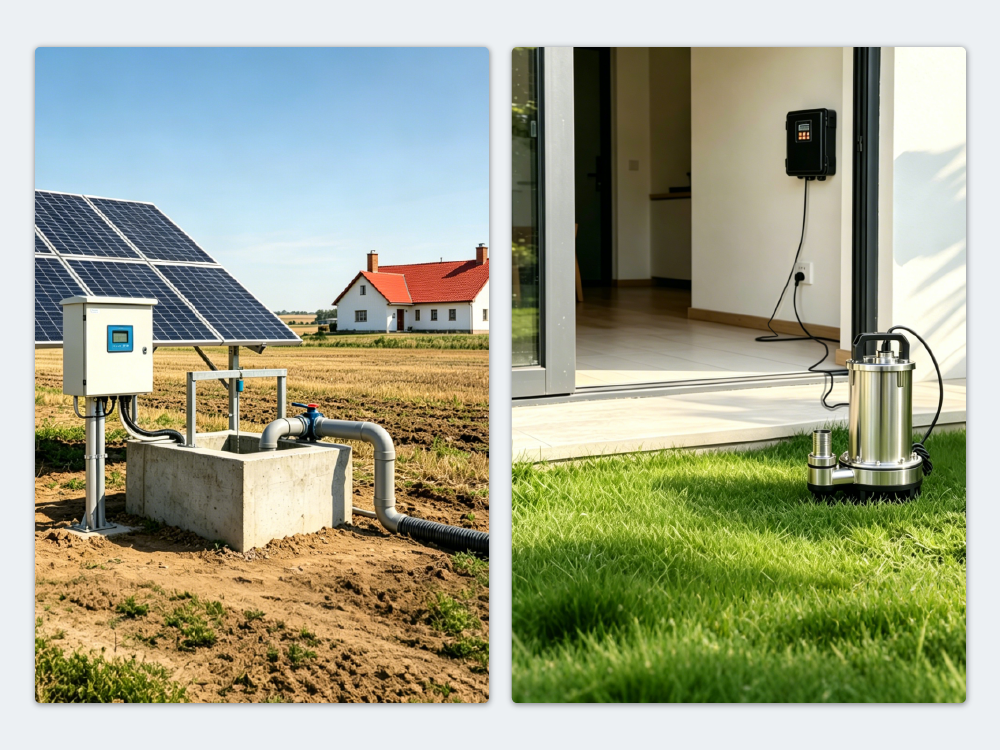
Installing an incorrectly sized pump will lead to premature motor burnout or weak showers. Use the engineering metrics below to properly size your setup.
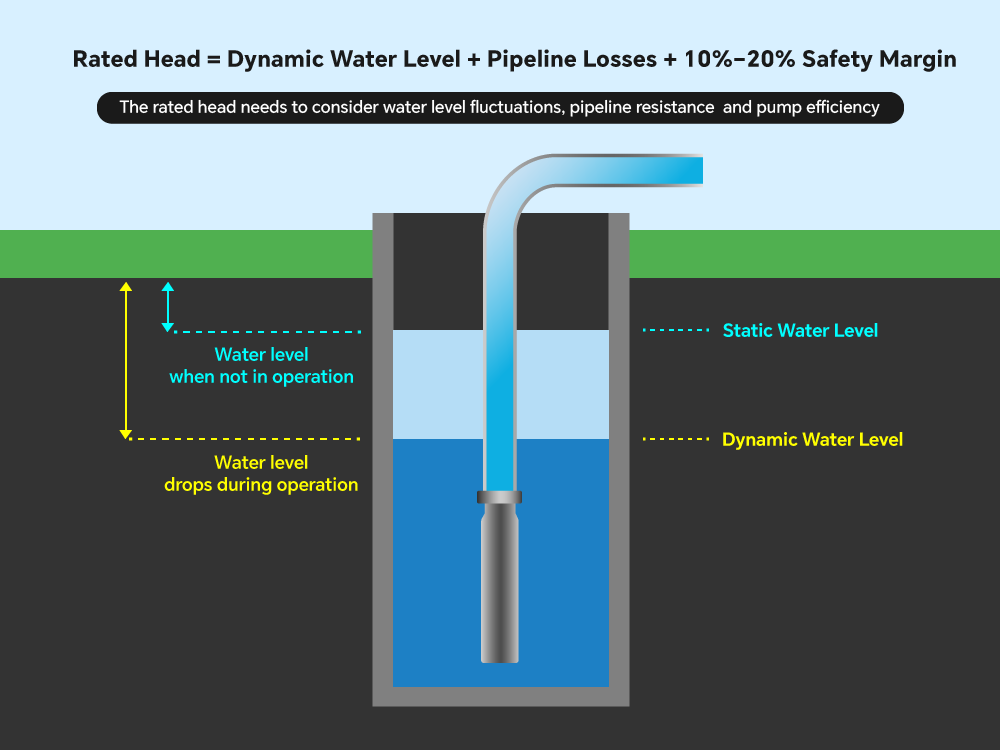
A. Calculating Well Depth vs. Total Dynamic Head (TDH)
Never buy a pump based only on your well's depth. You must calculate the Total Dynamic Head (TDH), which accounts for vertical lift plus friction loss inside the piping.
| Well Depth (m) | Recommended Pump Head Rating (m) | Best Pump Type |
| 5 – 30m (Shallow Wells) | 10 – 40m | Jet Pump / Shallow Submersible |
| 30 – 100m (Deep Wells) | 40 – 120m | Deep-Well Submersible Pump |
B. Determining Your Flow Rate (m³/h or GPM)
Your flow rate determines how many fixtures (showers, taps, hoses) can run simultaneously without a drop in pressure.
● Standard Family (3–5 people): Requires a flow rate of 1 – 3 m³/h (approx. 4.5 – 13 GPM) for drinking, cooking, and bathing.
● Homestead & Small Irrigation: Requires 3 – 5 m³/h to handle both domestic needs and crop/garden watering.
C. Voltage, Power, and Material Standards
● Electric Power Range: 250W to 1500W (Available in 110V / 220V / 127V single-phase configurations).
● Solar DC Power Range: 100W to 750W (Optimized for 24V or 48V direct PV brush-less setups).
● Material Specification: Always insist on 304 Stainless Steel housing. Avoid cheap cast iron components if your well water contains high mineral deposits, iron, or mild acidity, as they will corrode within 24 months.
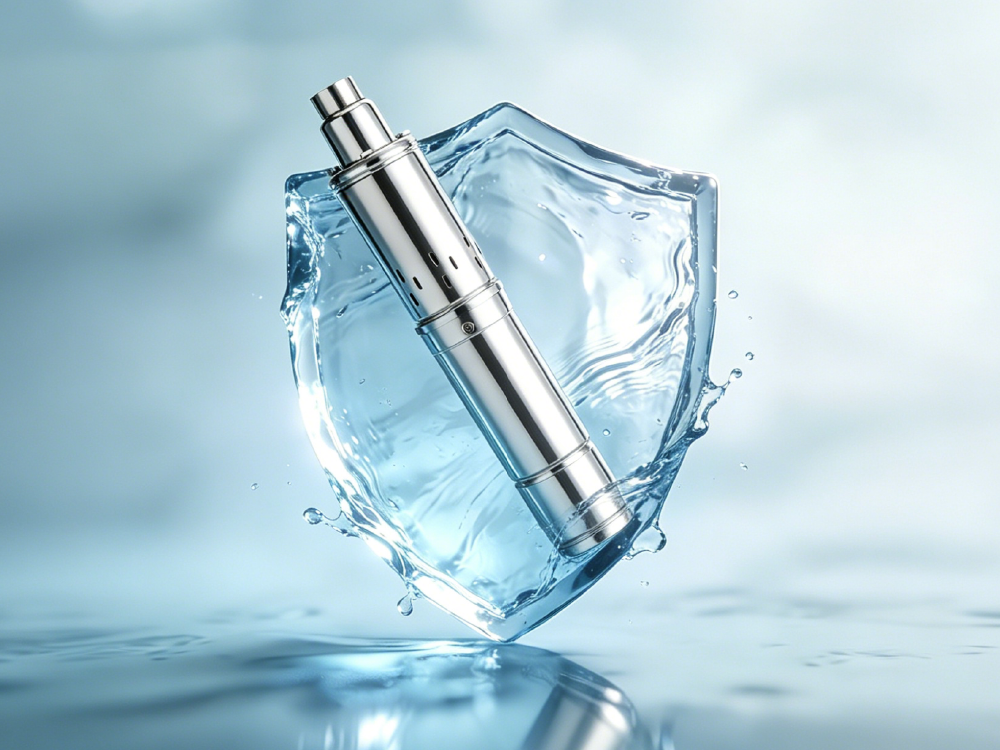
Traditional well pumps run at one speed: 100% blast. Modern, efficient well solutions utilize cutting-edge engineering to save energy and protect your property:
● Permanent Magnet Brushless DC Motors: These motors offer up to 85% efficiency, saving roughly 20–30% more energy than old-school induction motors.
● Variable Frequency Drive (VFD) Smart Controllers: Automatically adjusts the motor speed based on your real-time water usage. If you only turn on one sink, the pump runs gently. If you turn on three showers, it ramps up instantly.
● Built-in Dry-Run Protection: If your well water table drops below safe levels, the smart controller automatically shuts off the pump to prevent dry-running, which would otherwise melt the motor seals.
DIY vs. Professional Installation
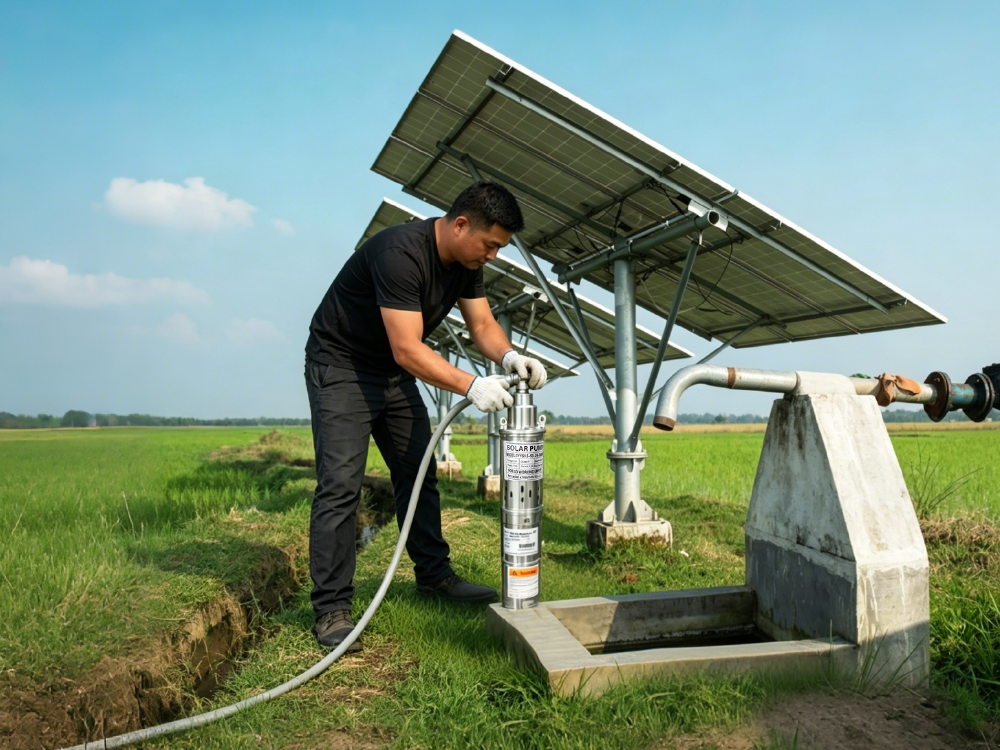
Modern rural pump packages come pre-wired with quick-connect terminals, allowing seasoned DIYers to complete installation within 1 to 2 hours. However, if your well is deeper than 30 meters, utilizing a professional rig to safely lower the heavy drop pipes is highly recommended.
Preventative Maintenance Checklist
To ensure your system reaches its maximum 5 to 8-year operational lifespan, follow this simple timeline:
[Every Month] ───► Clean input filter screens & check pipe joints for leaks
[Every 6 Mos] ───► Inspect control box wiring & test pressure tank bladder pressure
[Long Storage] ──► Pull pump from well, flush with clean water, store dry
Q: Can these pumps handle highly sandy well water?
A: While our pumps utilize wear-resistant floating impellers designed to tolerate minor sediment, highly abrasive sand will eventually erode internal components. If your well has high sand content, we strictly recommend installing a dedicated down-hole sand shroud or an external pre-filter.
Q: What is the expected lifespan of a solar-powered well pump?
A: The submersible pump mechanism and controller typically have an operational lifespan of 5 to 8 years. The solar PV panels themselves are incredibly durable and will continue producing clean energy for up to 25 years.
Q: How do I choose the exact pump model for my house?
A: You need to know three data points: your static water level, your daily water consumption, and your power access (Grid vs. Solar). Contact our technical support team with these details for a complimentary custom system layout.
Don't guess when it comes to your home's water security. Whether you are building an off-grid cabin or upgrading an aging, high-energy farmhouse pump, we are here to help.
[Contact Our Engineering Team Today] for a free, no-obligation model sizing consultation and a direct wholesale quote.
No.818 Kaifa Rd., Taizhou City, Zhejiang Province, 318000, P.R.China
Copyright © Zhejiang Larissa Mechanical Electric Technology Co., Ltd. All Rights Reserved Privacy Policy
 Hot News