Choosing the Right Deep Well Water Pump

Get a Professional Sourcing Quote

Our pump experts will review your request and reply within 12 hours.
Choose Your Needs Optional Business Type
Customization Requirements Optional
Email
Name
Company Name & Website
Message
0/1000

deep well water pump

Deep well water pumps are essential devices designed to extract water from deep underground  sources,  making them vital  for various applications in agriculture, construction, and industrial settings.  For  B2B buyers, selecting the  right  deep well  water  pump involves understanding performance  metrics, installation requirements,  and  cost factors. This article  will  guide purchasing managers, engineers, and other B2B professionals  through the  critical  aspects of choosing deep well water  pumps, ensuring  they make informed decisions that  meet their project needs.
Cost Factors to Consider When Sourcing Deep Well Water Pumps

Cost Factors to Consider When Sourcing Deep Well Water Pumps

The cost of deep  well water  pumps can vary significantly  based on several factors. Understanding  these  can help buyers make informed decisions:

Initial Purchase Price:  The cost of the pump itself can vary depending on type, materials, and specifications. Submersible pumps generally have a higher initial cost  due to their complexity. Installation Costs: Consider  the expenses associated  with installing  the pump, including labor and any additional equipment needed. Proper installation is  vital for ensuring the pump operates efficiently and  lasts longer. Maintenance and Operating Costs: Evaluate the long-term costs of maintenance, including periodic inspections and potential repairs. Pumps  with higher durability may have lower maintenance costs over  time. Energy Efficiency: Look for pumps with higher energy efficiency ratings,  as these can reduce operational costs significantly. Energy-efficient pumps may have  higher upfront costs but can lead  to substantial savings in the long run.

By assessing these cost factors, buyers can budget effectively and select pumps that provide the best value  for their  projects.
 
Best Practices

Best Practices

Implementing best practices when selecting and  operating  deep well water pumps can enhance performance and longevity:

Conduct Thorough Site Assessments: Before selecting a pump, perform hydrogeological studies  to understand water  availability and quality. This helps in  choosing the right pump type and specifications. Regular Maintenance: Schedule routine maintenance checks to ensure the pump operates efficiently. Look  for signs of wear, unusual  noises, or decreased performance. Choose the Right Size: Oversized or undersized  pumps  can lead to  inefficiencies and increased wear. Use flow rate and head pressure calculations  to determine the  appropriate  size for your  application. Quality Control: Work  with manufacturers that have  robust quality control processes. High-quality manufacturing can greatly reduce the likelihood  of operational issues.

Following these  best practices can minimize operational issues and extend the lifespan  of deep well  water pumps.

Applications of Deep Well Water Pumps in Various Industries

Applications of Deep Well Water Pumps in Various Industries

Deep  well water  pumps are employed  across many industries, each with  specific needs:

Agriculture: Farmers use  deep well pumps to  irrigate crops, ensuring a consistent  water  supply, especially in arid regions.  Construction: These pumps are vital for dewatering construction sites, preventing water accumulation and ensuring safe  working conditions. Industrial:  Many industrial processes require  water for cooling or as part of the production process. Deep well pumps provide a reliable source for these applications, including Industrial Water Pumps. Municipal Water Systems: Water supply  systems  in urban areas often utilize deep well pumps to meet the demands  of residential and commercial  users. 

Understanding the specific application requirements  can guide buyers  in  selecting pumps that are best suited for their industry.

Features and Benefits to Know

When  evaluating  deep well water  pumps, several features can significantly impact their performance  and  suitability for various applications:

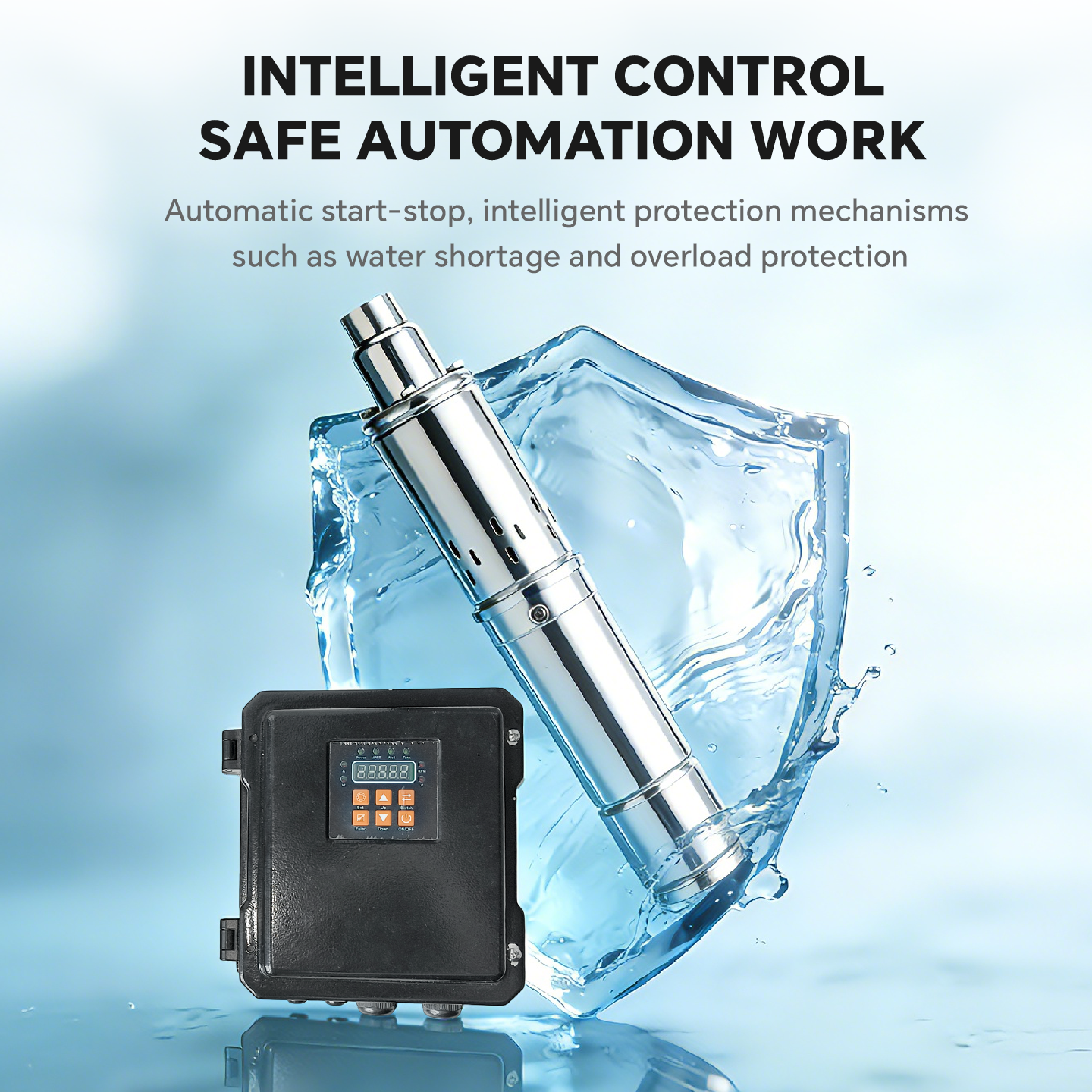
Variable Speed Drives: Pumps  equipped with variable speed drives  can  adjust their output according to demand, enhancing energy efficiency and reducing wear on components. Automated Controls: Modern pumps often come with automated monitoring and control systems that allow  for remote operation and real-time performance tracking, improving reliability and reducing the  need  for manual  checks. Corrosion  Resistance: Pumps made from high-grade materials such as  stainless steel or specially coated metals can withstand harsh environmental conditions, which is particularly important in corrosive  water sources. Customization Options: Manufacturers like Larissa Motor offer customization capabilities, allowing buyers to tailor specifications such as size, material, and pump type  to meet unique project requirements.

These  features not only enhance the pump's performance but also contribute to long-term reliability and cost-effectiveness in various applications.

By carefully considering the  above factors and best practices, B2B  buyers can make informed decisions that ensure they select the right deep well water pump for  their needs, ultimately contributing to the success of their projects.

Choosing the Right Deep Well Water Pump for Your Project Needs

When  selecting a deep well water  pump, several  factors should be considered to ensure optimal performance for  specific applications. Key specifications include:

Pump Type:  Submersible pumps are commonly  used for  deeper wells, as they can  operate  underwater and provide efficient water delivery. Vertical turbine pumps are  another option, suitable for very deep applications. Flow Rate: This indicates the volume of water the pump can  deliver, typically measured in gallons per minute (GPM). Assess your project's  water demand to select a pump capable of meeting those requirements. Head Pressure: This refers to the height the water needs  to be pumped. It’s crucial to know the depth of the well and the elevation of the discharge  point to choose a pump that can handle the required head pressure effectively. Material Composition: Pumps must be  resistant to corrosion and wear, especially  in harsh environments. Stainless steel and  thermoplastic materials are often preferred for their durability and  longevity. 

It is advisable to work closely with suppliers  like Larissa Motor, who specialize in customized solutions that meet specific project requirements and industry standards. For example, if you're looking into Solar Pumping Systems, they can provide tailored advice that aligns with your needs.

Get a Professional Sourcing Quote

Our pump experts will review your request and reply within 12 hours.
Choose Your Needs Optional Business Type
Customization Requirements Optional
Email
Name
Company Name & Website
Message
0/1000

Related product categories