
Key Specifications for Sourcing Fire Pumps

Get a Professional Sourcing Quote

Our pump experts will review your request and reply within 12 hours.
Choose Your Needs Optional Business Type
Customization Requirements Optional
Email
Name
Company Name & Website
Message
0/1000

fire pumps

Fire  pumps are critical devices  used in various applications to deliver water at high pressure for fire suppression.  Sourcing the  right fire  pump can be  complex for buyers,  particularly  purchasing  managers and distributors, as they must consider factors such as  performance  specifications, installation  requirements, and potential issues. This article  aims to guide you  through essential considerations  when evaluating fire  pumps,  ensuring you make informed  purchasing decisions  that meet  your operational needs.
Features and Performance for Distributors

Features and Performance for Distributors

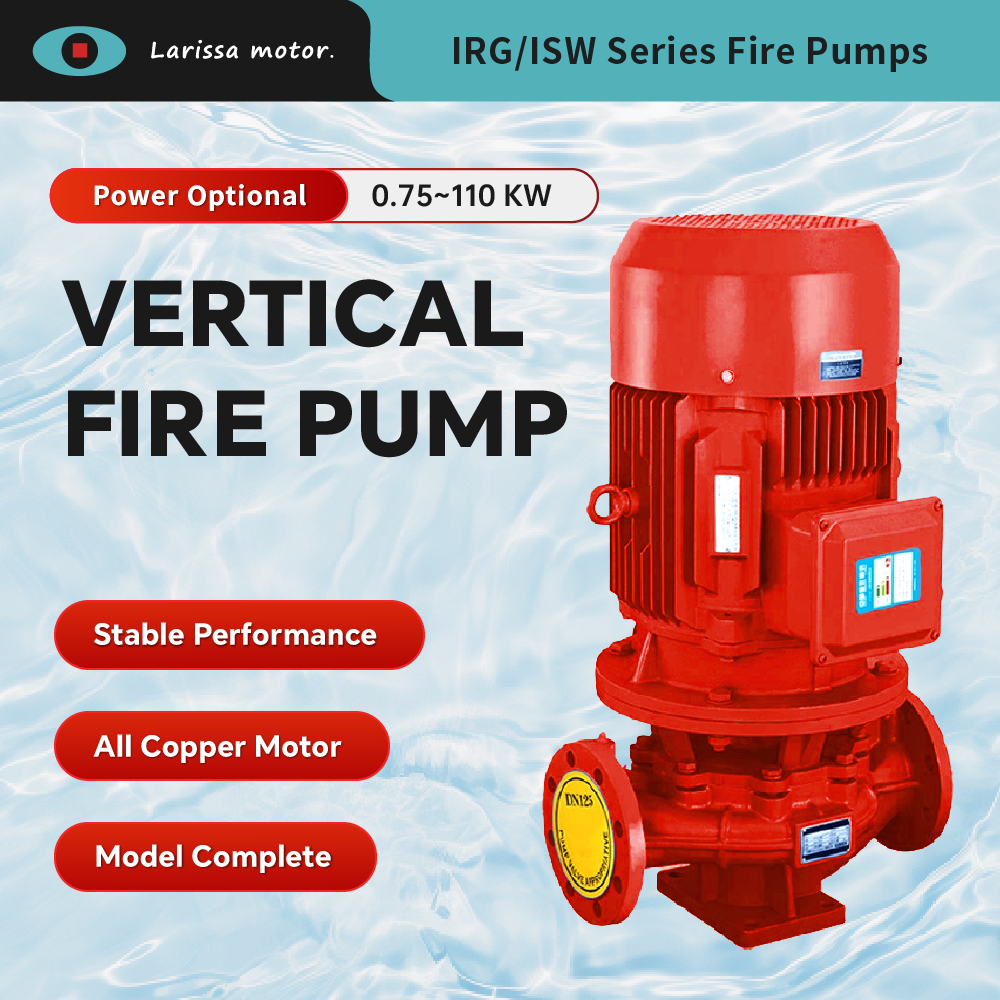
Distributors should focus  on features that enhance usability and  reliability in the fire pumps  they offer. Key performance features include:

Automatic Start/Stop  Functionality: This  feature allows the pump to activate automatically upon detection of a fire, improving response times.  Variable  Speed  Drives: These drives enable the pump to adjust its speed based on demand, enhancing efficiency and reducing  energy consumption. Integrated  Monitoring Systems: Real-time monitoring features help track pump performance and  alert  operators to  any  malfunctions, ensuring consistent operation. 

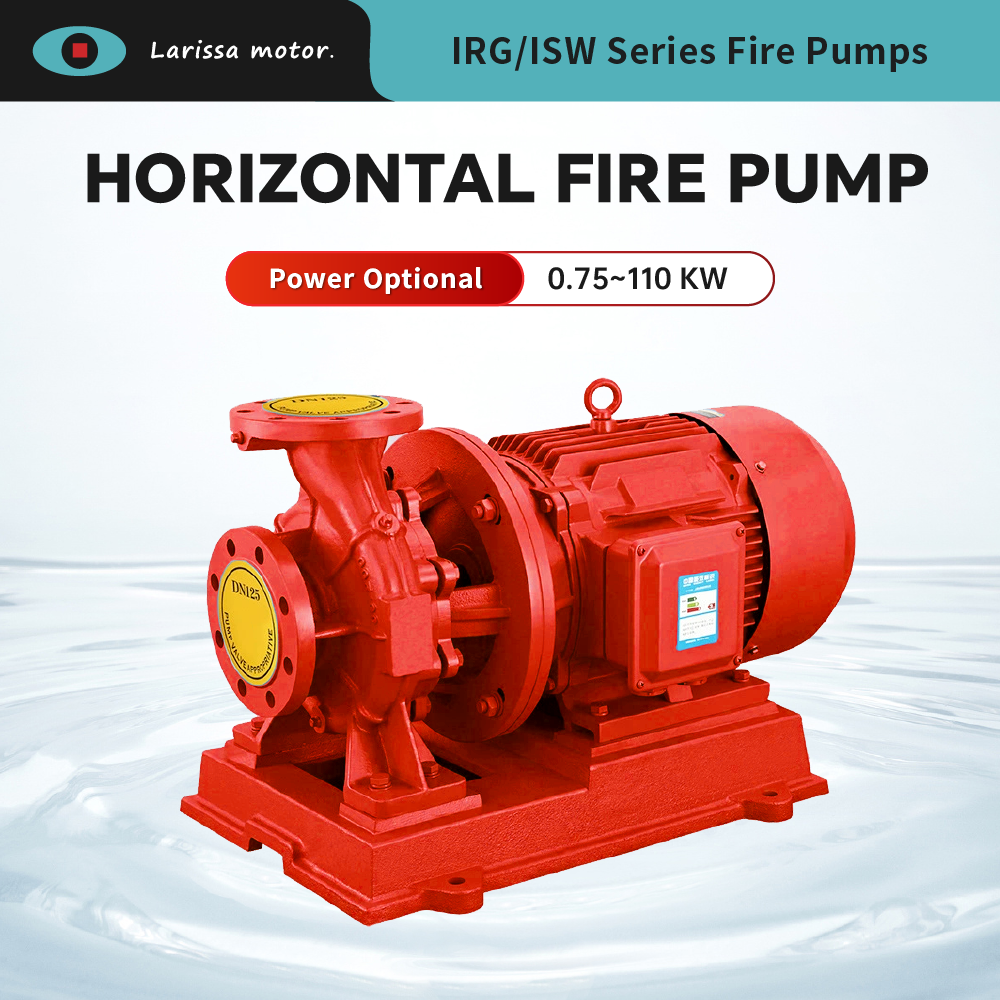
Additionally, consider the  pump's dimensions and weight  for  ease of transport and installation, as well as any customization options that may  be  necessary for specific applications. For instance, a Horizontal Fire Fighting Water Pump for Industrial & Commercial Fire Protection might be ideal for larger installations.
Installation Guidelines for Ensuring Effective Fire Pump Performance

Installation Guidelines for Ensuring Effective Fire Pump Performance

Proper installation of fire pumps is crucial to ensure  their effectiveness. Here  are some guidelines to follow:

Location: Install fire pumps  in a location that provides easy access for maintenance  and service, and ensure that they are  protected  from environmental hazards.

Piping Configuration: Ensure that the piping configuration allows for smooth water flow and minimizes friction losses. This includes proper sizing and routing of  pipes, as well as the installation of valves and fittings that facilitate easy maintenance.

Electrical Connections: For electrically powered  pumps, ensure  that all electrical connections comply  with local codes and regulations. This  includes using appropriately rated cables  and grounding  techniques.

Testing and Commissioning: After  installation, conduct thorough testing to verify that the pump operates according to its specifications. This includes flow tests  and pressure tests to  confirm that the system meets  the required performance standards.

Regular Maintenance: Establish a  maintenance schedule to regularly inspect and test the pump. This includes checking for leaks, monitoring pressure levels,  and ensuring that all components are functioning correctly.

Common Problems with Fire Pumps and Their Solutions for Contractors

Common Problems with Fire Pumps and Their Solutions for Contractors

Contractors may encounter several common issues with fire  pumps during installation and operation, including:

Cavitation: This  occurs  when  the pressure in the pump falls below the vapor pressure of the liquid, leading to bubbles forming and collapsing within the pump. To prevent cavitation, ensure that the pump is correctly sized for the application and that the inlet  conditions  are  optimal.

Insufficient Flow: This can result from blockages  in the piping  or  inadequate power supply. Conduct regular inspections to  identify and resolve any blockages, and  ensure that the pump is powered adequately.

Overheating:  Overheating can occur if the pump operates under excessive load or if there is insufficient cooling. Make sure  to monitor the pump's operating conditions and  consider installing temperature sensors  for  early warning.

Seal Failures: Mechanical seal failures can lead  to leaks and reduced efficiency. Regular maintenance  checks and using high-quality  sealing materials can help mitigate this issue.

Cost Factors to Consider When Purchasing Fire Pumps Wholesale

When purchasing fire pumps wholesale,  several cost  factors should be taken into account:

Initial Purchase  Price: While the upfront cost is a primary consideration,  it’s essential to evaluate the total cost  of ownership, which includes installation, maintenance, and operational costs.

Customization Costs: If your  application requires specific  modifications or enhancements, consider the additional costs associated with customization. Work closely with your  supplier to understand any design changes and their associated costs.

Quality Assurance: Investing  in certified  fire pumps may carry a higher initial cost  but can result in lower  maintenance costs and improved reliability over time. For example, the Heavy-Duty Industrial Boiler Feed Water Pump for Hot Water Circulation & Heating Systems is known for its durability.

Shipping and Handling: Depending on the size  and weight of the fire pump, shipping costs can vary significantly. Ensure that you factor in these costs when budgeting.

Warranty and  Support: Evaluate the warranty terms and after-sales  support offered by the manufacturer. A comprehensive warranty can provide peace of mind and reduce long-term costs  associated  with repairs.

By understanding these factors and working closely with a reputable manufacturer like  Larissa Motor, you can ensure that your  fire pump procurement process is efficient and meets your organization’s  needs.

Key Specifications to Evaluate When Sourcing Fire Pumps

When  sourcing fire pumps, several key  specifications must be evaluated to ensure optimal performance and compliance with safety standards.

Flow Rate: The flow rate, typically measured in gallons per minute (GPM) or liters per second (L/s), indicates the volume of water  the  pump can deliver. It's crucial to select a pump that meets the required flow rate for your specific application, as insufficient flow can  compromise fire suppression efforts.

Pressure Rating: The pressure rating, measured in pounds per square inch (PSI) or bar, indicates the pump's ability to deliver  water at the necessary pressure  to reach elevated areas or overcome system resistance. Ensure that  the pressure rating aligns with the  operational requirements of your fire protection system.

Material Construction: The materials  used in the pump’s construction, such as cast iron,  bronze,  or stainless steel, impact both durability and  resistance to corrosion. Selecting the right materials is essential, especially  in environments prone to chemical exposure or extreme weather.

Power Source: Fire pumps can be powered by electric motors, diesel engines, or  steam turbines. The choice  of power source will depend on the availability of electrical infrastructure and  the specific needs of your facility, including backup power considerations.

Certifications: Look for fire pumps that meet international standards,  such as UL (Underwriters Laboratories) or NFPA (National Fire Protection Association) certifications. These certifications ensure compliance  with industry safety and performance standards.

Get a Professional Sourcing Quote

Our pump experts will review your request and reply within 12 hours.
Choose Your Needs Optional Business Type
Customization Requirements Optional
Email
Name
Company Name & Website
Message
0/1000

Related product categories