EN
EN
Irrigation water pumps are essential components in agricultural and industrial settings, enabling efficient water management for crops, landscaping, and various manufacturing processes. As a B2B buyer, understanding how to select the right pump, evaluate costs, and recognize common issues can significantly impact your project’s success. This article will guide you through the wholesale purchasing process, key specifications to consider, and practical solutions to potential challenges related to irrigation water pumps.
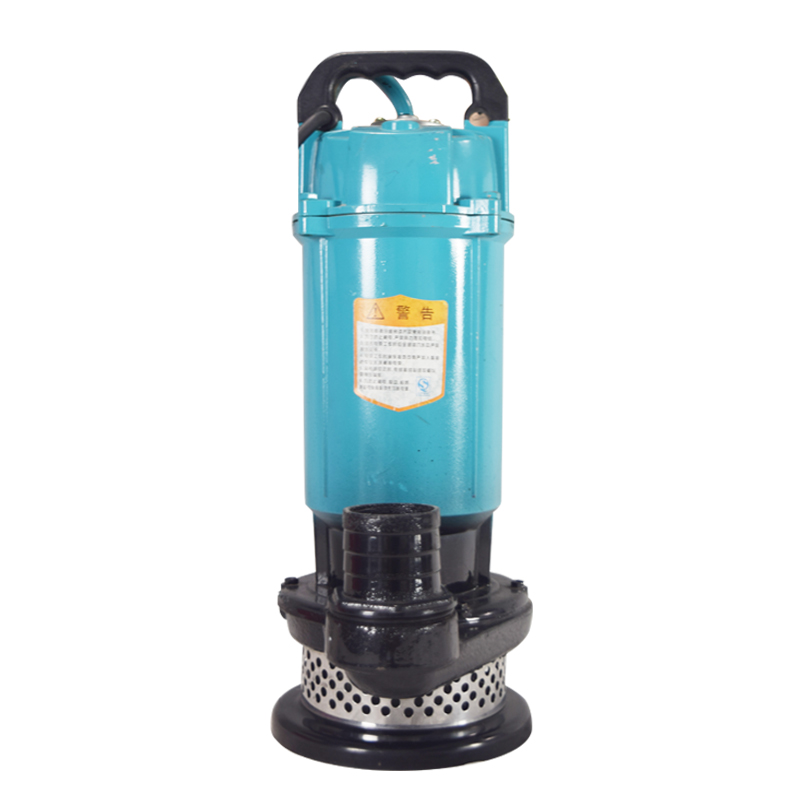
How to Choose the Right Irrigation Water Pump for Your Project
Selecting the right irrigation water pump involves several critical considerations that directly impact performance and efficiency. First, evaluate the flow rate and head pressure required for your application. Flow rate refers to the volume of water needed, while head pressure is the height the water must be lifted. Both factors determine the size and power of the pump you will need.
Next, consider the type of material used in the pump construction. Irrigation pumps are often made from materials like stainless steel, cast iron, or thermoplastics, each offering different benefits. Stainless steel, for example, provides excellent corrosion resistance and durability for long-term applications, while thermoplastics may offer lightweight options for specific environments.
Compatibility with existing systems is another important aspect. Ensure that the pump’s dimensions, connections, and performance characteristics align with your irrigation infrastructure. Discussing these specifications with your supplier can lead to a more tailored solution that meets your operational needs.