EN
EN
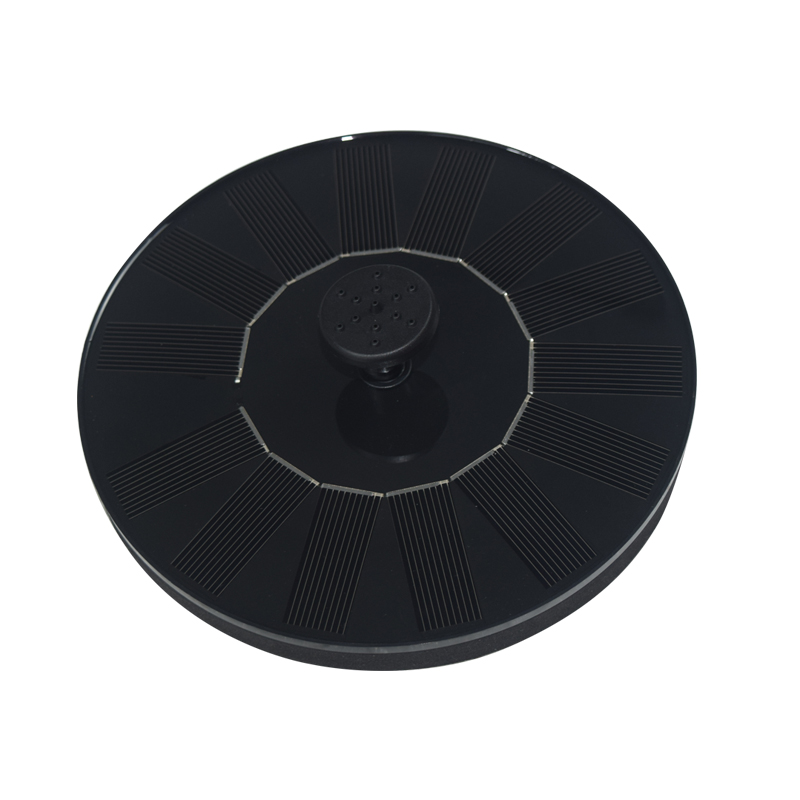
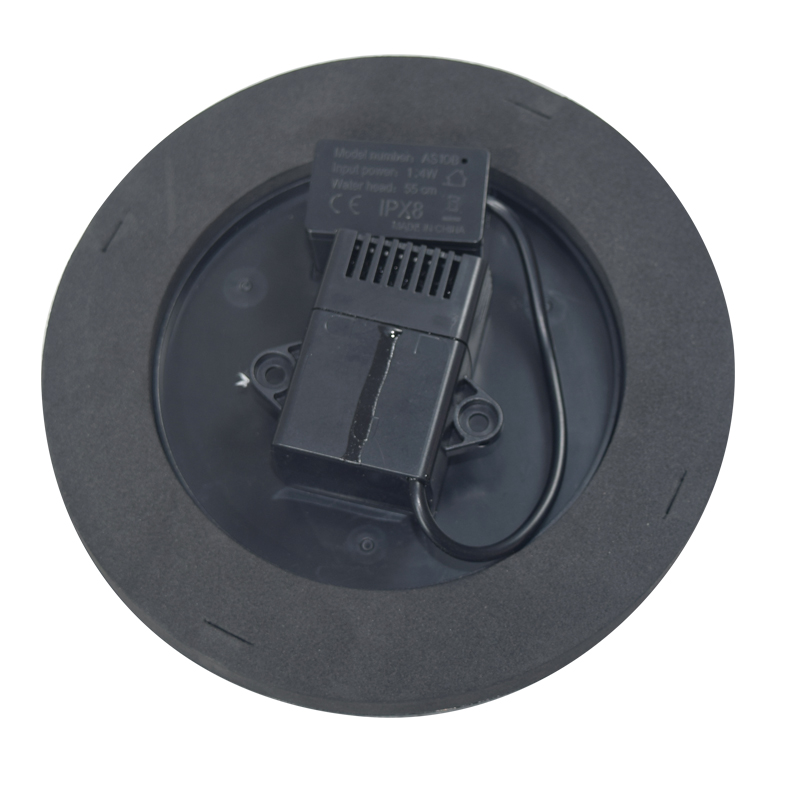
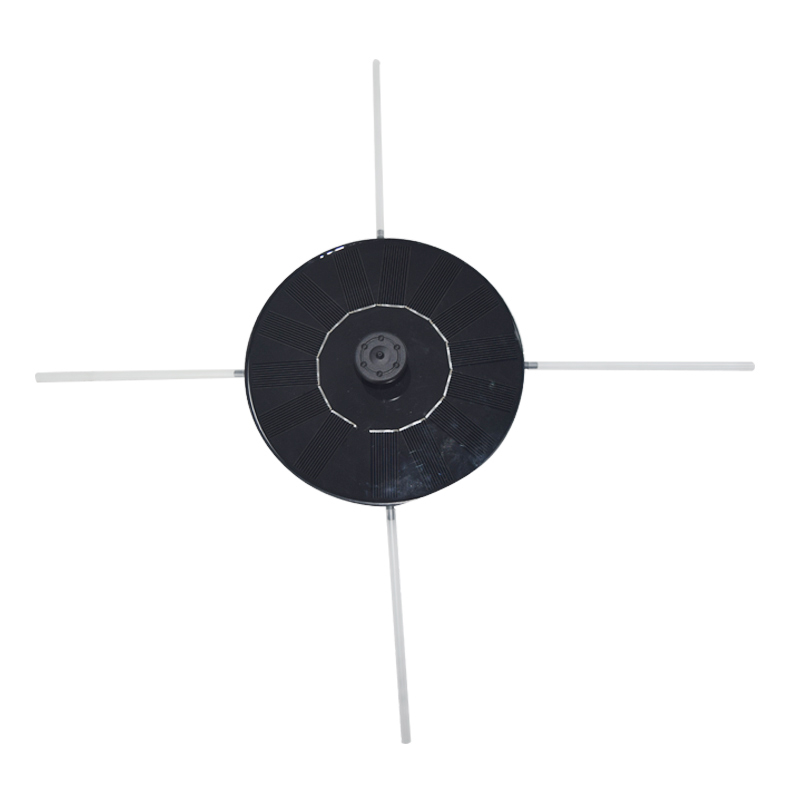
Small water pumps for fountains are essential components that ensure the smooth functioning and aesthetic appeal of water features. As a B2B buyer, your main concerns likely include finding a reliable pump that delivers optimal performance, meets your specific project requirements, and adheres to budget constraints. This article will guide you through the critical aspects of selecting the right small water pump for your fountain projects, covering key specifications, cost factors, design enhancements, and the benefits of high-quality materials.
Key Specifications to Evaluate in Small Water Pumps for Fountains
When assessing small water pumps for fountains, several specifications should be carefully evaluated:
Flow Rate: Measured in gallons per minute (GPM) or liters per hour (LPH), the flow rate indicates how much water the pump can move. Choose a pump that can maintain the desired water movement without overwhelming the fountain design.
Head Height: This specification reflects the maximum vertical distance the pump can lift water. It is essential to match the head height to your fountain’s design to ensure optimal water circulation.
Power Consumption: Consider the energy efficiency of the pump. A pump that uses less power can help reduce operational costs, especially in larger installations.
Durability and Material: Pumps made from corrosion-resistant materials, such as stainless steel or high-grade plastics, tend to have a longer lifespan and require less maintenance. Choosing a pump like the Efficient Cutter Submersible Sewage Pump for Wastewater Treatment, Septic Tank, and Household Drainage can ensure long-lasting performance.
Noise Level: Depending on the fountain's location, the operational noise of the pump may be a concern. Look for pumps designed for quiet operation if noise is a factor.
Understanding these specifications will help you select a pump that meets both performance and durability standards for your fountain project.