EN
EN

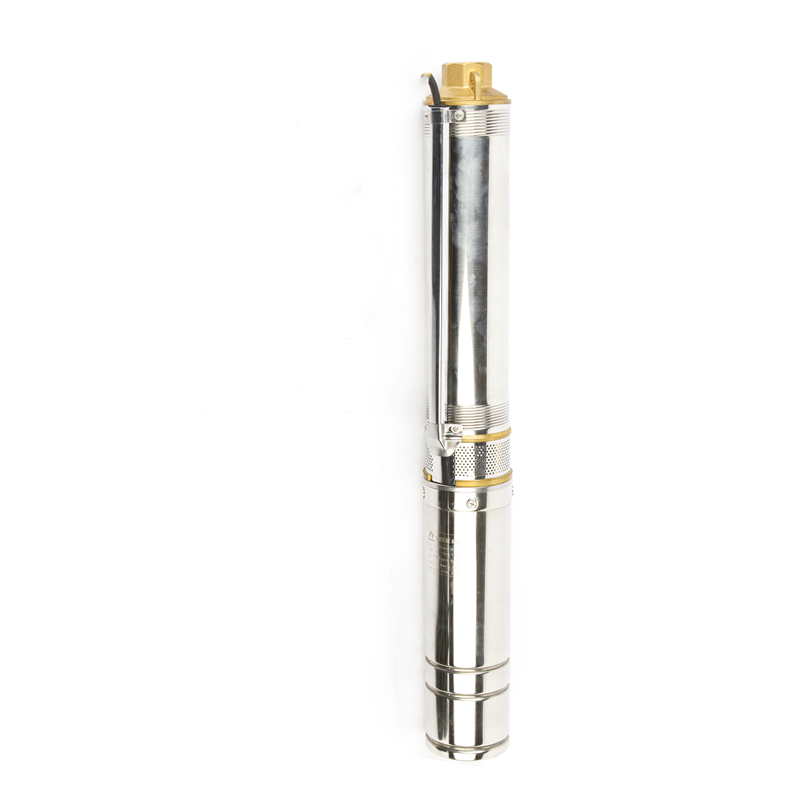
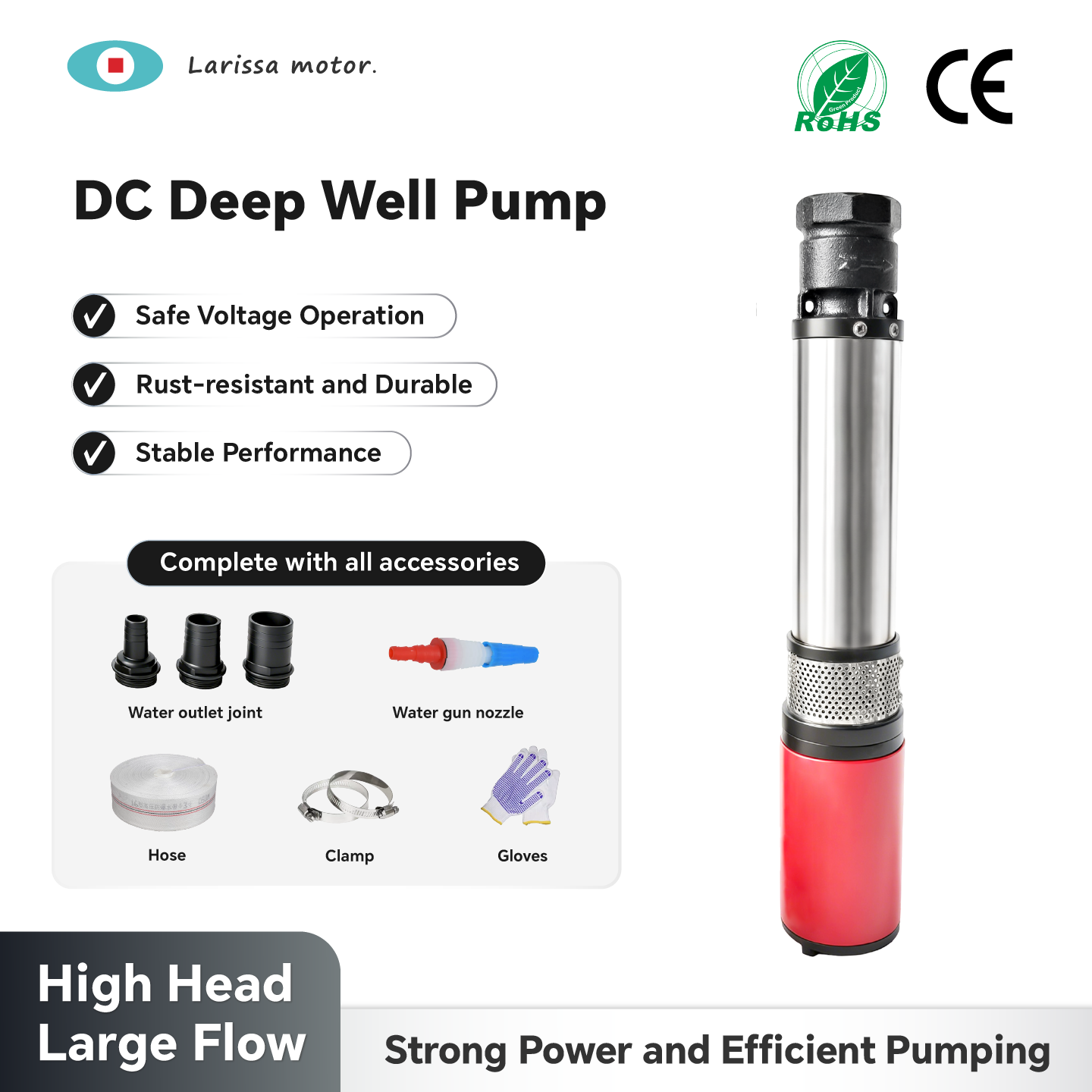
Solar well pumps are innovative solutions that harness solar energy to draw groundwater efficiently, making them an ideal choice for various applications, especially in off-grid locations. For B2B buyers, including purchasing managers and distributors, understanding the specifications, cost factors, and potential issues associated with solar well pumps is crucial for making informed purchasing decisions. This article aims to provide valuable insights into solar well pumps, helping buyers navigate their options effectively.
Features and Performance
The cost of solar well pumps can vary significantly based on several factors that buyers should consider:
Pump Specifications: High-performance pumps with advanced features and greater flow rates typically come at a premium. Buyers should evaluate whether these features align with their needs to avoid overpaying for unnecessary capabilities.
Customization: Customization options, such as unique dimensions or materials, can impact the cost. While customization may offer improved performance or integration into specific systems, it often leads to longer lead times and higher prices.
Quantity Ordered: Bulk purchasing often yields cost savings. Importers should consider minimum order quantities (MOQ) and negotiate pricing based on larger orders to optimize their budget.
Shipping and Import Duties: These costs can significantly affect the total expenditure. Importers should factor in shipping fees, insurance, and any applicable tariffs when calculating the overall cost of acquiring solar well pumps.
Maintenance and Operating Costs: While the initial investment is crucial, ongoing maintenance and operational costs should also be evaluated. Solar pumps may require less maintenance than conventional pumps, but periodic checks and potential component replacements should be budgeted.
By understanding these cost factors, importers can make more informed decisions and negotiate better terms with suppliers.