EN
EN

Submersible pond pumps are essential devices for maintaining aquatic environments, allowing for effective water circulation, filtration, and aeration. For purchasing managers, engineers, and product managers, understanding the nuances of submersible pond pumps is crucial for making informed sourcing decisions. This article will delve into key specifications, cost factors, performance comparisons, installation guidance, and various applications of these pumps, equipping buyers with the necessary knowledge to select the most suitable options for their needs.
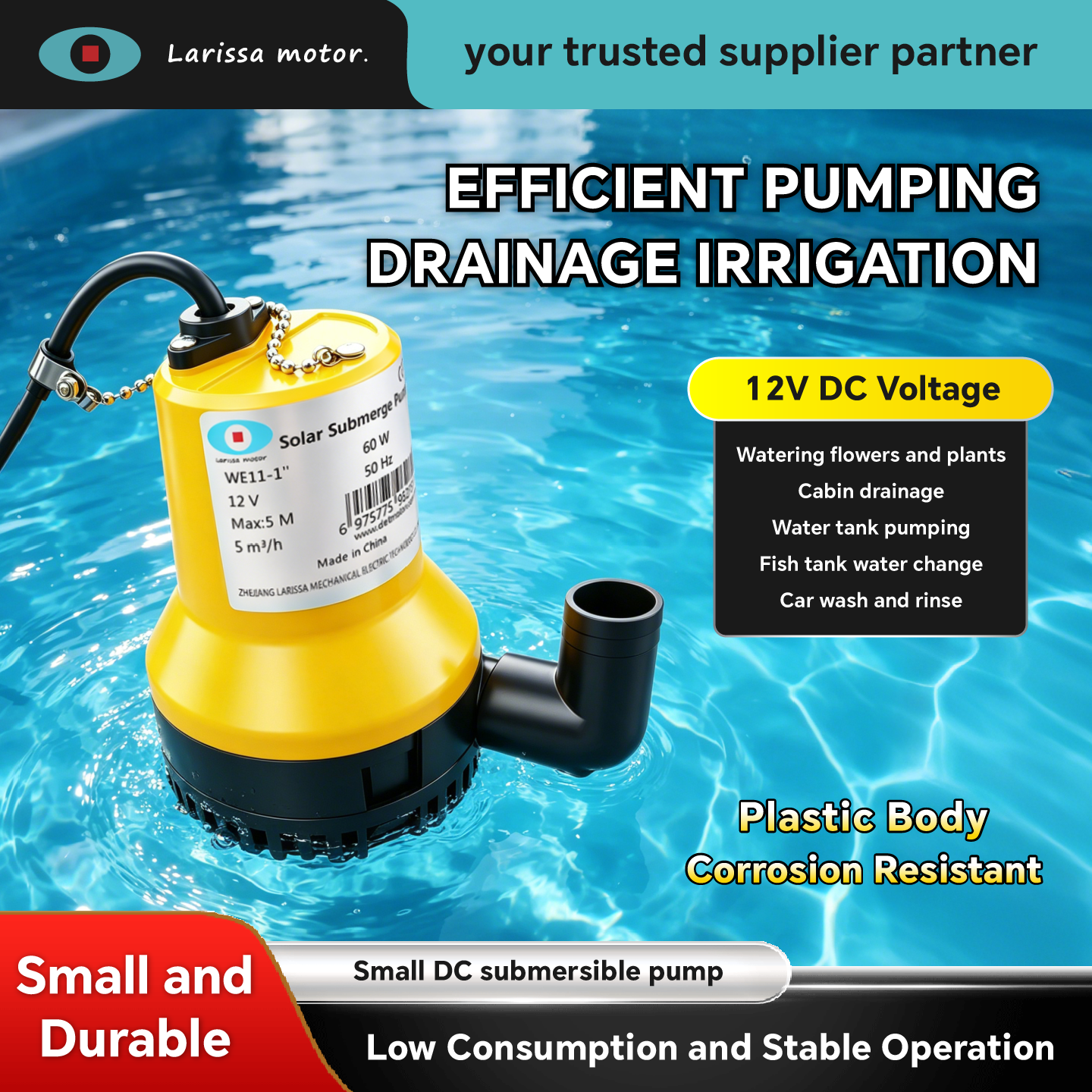
Understanding the Cost Factors of Submersible Pond Pumps for Wholesale
When sourcing submersible pond pumps, understanding the various cost factors is essential for budgeting and negotiation. Key cost influencers include:
Material Quality: Pumps constructed from higher-quality materials, such as corrosion-resistant alloys, typically carry a higher initial price but may offer longer service life and lower maintenance costs.
Pump Capacity and Features: Higher capacity pumps or those with advanced features such as variable speed controls, integrated filters, or smart technology tend to be more expensive. Buyers should assess whether these features are necessary for their application.
Customization Options: If a buyer requires specific modifications or custom designs, this can significantly alter pricing. Customization may include unique dimensions, specialized fittings, or modified performance characteristics.
Order Volume: Bulk purchasing often leads to reduced unit prices due to economies of scale. Buyers should consider negotiating pricing based on order quantities, which can provide significant savings.
Shipping and Handling: Logistics costs, including shipping fees, import duties, and handling charges, should be factored into the total cost. Understanding these expenses upfront can prevent budget overruns.
Warranty and Support Services: A more extended warranty or comprehensive support services may increase upfront costs but can provide reassurance regarding the pump's reliability and manufacturer backing.
By considering these factors, buyers can make more informed decisions that align with their budgetary constraints while meeting performance requirements.