Choosing the Right Water Booster Pump Supplier

Get a Professional Sourcing Quote

Our pump experts will review your request and reply within 12 hours.
Choose Your Needs Optional Business Type
Customization Requirements Optional
Email
Name
Company Name & Website
Message
0/1000

water booster pump

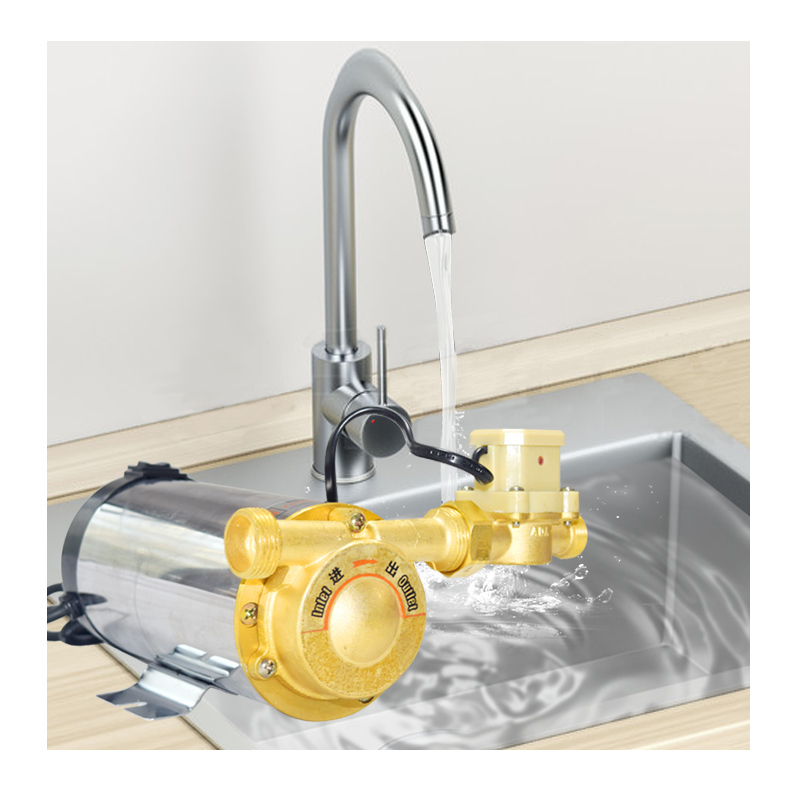
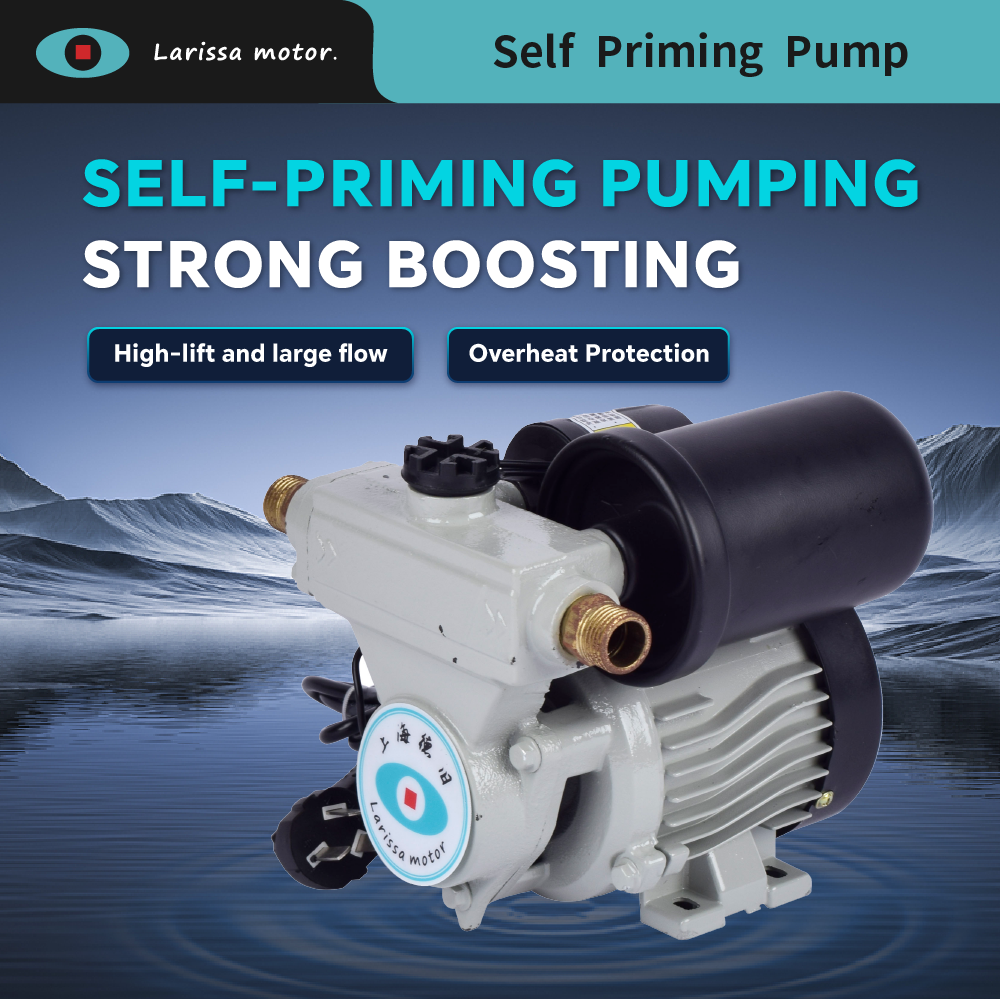
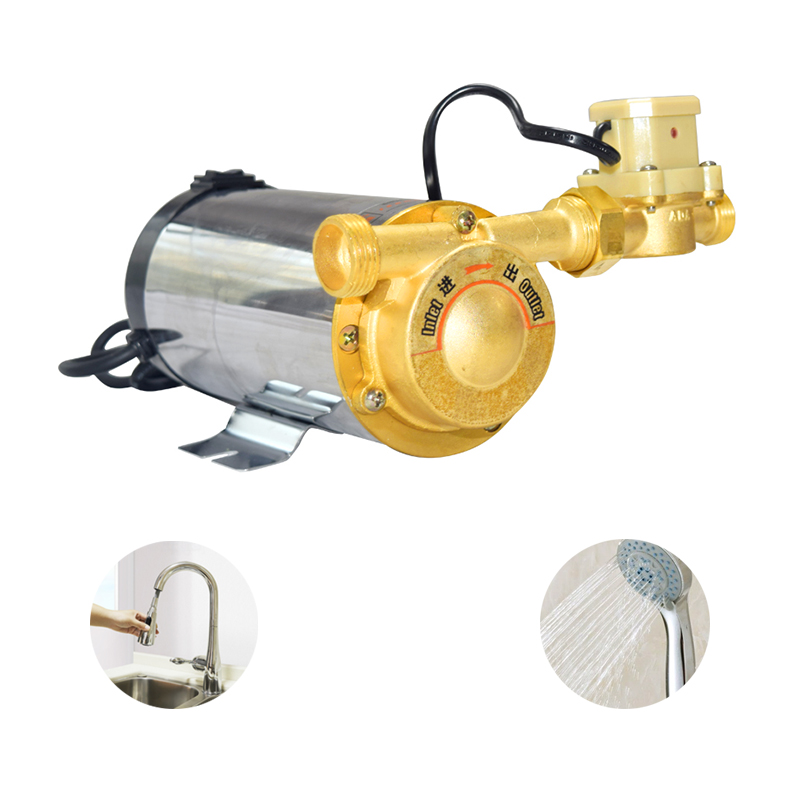
A&nbsp; water booster pump is a crucial electromechanical device&nbsp; designed to enhance water pressure&nbsp; in&nbsp; various&nbsp; applications.&nbsp; For B2B&nbsp; buyers,&nbsp; selecting&nbsp; the&nbsp; right water booster&nbsp; pump involves evaluating&nbsp; supplier reliability,&nbsp; product specifications,&nbsp; installation guidelines, and common operational challenges. This article aims to provide insights&nbsp; into these&nbsp; factors,&nbsp; enabling purchasing managers, engineers, and&nbsp; distributors to make informed decisions when sourcing water booster&nbsp; pumps.</p>&nbsp;

Specifications to Evaluate for High-Quality Water Booster Pumps

Specifications to Evaluate for High-Quality Water Booster Pumps

<p>When assessing water booster pumps, buyers should focus on&nbsp; several critical specifications:</p> <p><strong>Flow Rate</strong>: This&nbsp; indicates the volume&nbsp; of water the pump can move per minute. Buyers should&nbsp; select a flow rate&nbsp; that meets the&nbsp; demands of their specific application&nbsp; to ensure optimal performance.</p> <p><strong>Pressure Rating</strong>: The maximum pressure the pump can generate is crucial for applications requiring&nbsp; high pressure. Ensure that the pump's pressure rating aligns with your system's requirements.</p> <p><strong>Power Consumption</strong>: Energy efficiency is a significant consideration, especially&nbsp; for long-term operational costs. Compare&nbsp; the power consumption of different models to find a&nbsp; balance between performance and energy savings.</p> <p><strong>Material Construction</strong>: The materials used&nbsp; in manufacturing water booster pumps affect their durability and&nbsp; performance, particularly in corrosive or high-temperature environments. Common&nbsp; materials include stainless steel and high-grade plastics, which should be selected based on the intended application. For instance, the Horizontal Multistage Centrifugal Pump for High Pressure Water Supply Systems is an excellent choice for high-capacity applications.
Cost Factors Involved in Purchasing Water Booster Pumps Wholesale

Cost Factors Involved in Purchasing Water Booster Pumps Wholesale

<p>Pricing for water booster pumps can vary based&nbsp; on several factors.&nbsp; Firstly, the&nbsp; specifications of the&nbsp; pump—such as flow rate,&nbsp; pressure rating, and material construction—significantly impact costs. Higher-capacity&nbsp; pumps with advanced&nbsp; features will generally have a higher price point. A model like the DC CPM Centrifugal Water Pump for Solar Irrigation & Agricultural Water Transfer offers great performance for its price.
Installation Guidance for Efficient Water Booster Pump Setup

Installation Guidance for Efficient Water Booster Pump Setup

<p>Proper installation is crucial&nbsp; to maximizing the efficiency and lifespan of a&nbsp; water booster pump. Here are essential steps to ensure successful installation:</p>&nbsp; <p><strong>Site Assessment</strong>: Before installation, assess the site where the pump will be&nbsp; located. Ensure that there is adequate space&nbsp; for the pump and&nbsp; that it is accessible for maintenance.</p> <p><strong>Pipe Configuration</strong>: The layout of piping can&nbsp; impact&nbsp; the pump's performance.&nbsp; Ensure that the inlet and outlet pipes are correctly sized and configured&nbsp; to minimize bends and restrictions, which can reduce&nbsp; efficiency.</p> <p><strong>Electrical Connections</strong>: Ensure that the&nbsp; electrical supply matches the pump's requirements. Improper voltage can&nbsp; lead&nbsp; to operational issues or damage.</p> <p><strong>Testing</strong>: After installation, conduct a thorough testing process. Check for leaks, verify the pressure output, and ensure that the pump operates quietly without unusual&nbsp; noises.</p> <p><strong>Regular Maintenance</strong>: Establish a maintenance schedule to&nbsp; inspect the pump regularly. This includes checking seals, lubricating&nbsp; moving parts, and&nbsp; monitoring performance to catch any potential issues early.</p> <p>By following these guidelines, buyers can ensure that their&nbsp; water booster pumps operate efficiently and&nbsp; effectively.</p>

Common Problems with Water Booster Pumps and Their Solutions

<p>Water booster&nbsp; pumps, like any mechanical&nbsp; system, can encounter issues during operation. Here are some common problems and their solutions:</p> <p><strong>Insufficient Pressure</strong>:&nbsp; If the pump is not generating the expected pressure,&nbsp; it might be due to an incorrect&nbsp; installation or a clogged filter. Check the inlet for&nbsp; blockages and ensure that the pump is correctly sized for the application.</p> <p><strong>Noise Issues</strong>:&nbsp; Unusual noises can indicate mechanical issues, such as worn bearings or cavitation. Regular maintenance&nbsp; and prompt inspection can&nbsp; help identify and resolve these issues before they&nbsp; lead to pump failure.</p> <p><strong>Overheating</strong>: Pumps can overheat if they are running dry or if there is insufficient cooling.&nbsp; Ensure that the pump&nbsp; is always supplied with adequate&nbsp; water and consider installing temperature&nbsp; monitoring systems for high-demand applications.</p> <p><strong>Vibration</strong>: Excessive vibration can be&nbsp; a sign of misalignment or imbalance. Ensure that the pump is securely mounted and that all connections are tight.</p> <p>By understanding these common issues, buyers can take proactive steps to maintain&nbsp; their water booster pumps and avoid downtime.</p> <p>In summary, selecting and maintaining a water booster pump requires careful consideration of supplier reliability, specifications, cost factors,&nbsp; installation processes, and potential operational issues. By taking these factors into account, B2B buyers can ensure they choose&nbsp; the&nbsp; right pump for their needs, thereby optimizing performance and&nbsp; efficiency in their applications.</p>

What to Consider When Choosing a Water Booster Pump Supplier

<p>Selecting a supplier for&nbsp; water&nbsp; booster pumps requires careful evaluation of several key factors. First, assess&nbsp; the supplier's&nbsp; manufacturing&nbsp; capabilities and experience. A company like Larissa Motor, with over two&nbsp; decades of experience&nbsp; in producing high-quality electromechanical products, can offer&nbsp; insights into advanced design&nbsp; and customization options that meet international standards.</p> <p>Next,&nbsp; consider the&nbsp; supplier's quality control processes. Suppliers should have robust testing and&nbsp; quality assurance measures&nbsp; to&nbsp; ensure that their products perform reliably under various conditions. Certifications and compliance&nbsp; with&nbsp; industry standards can also be an indicator of product quality and safety.</p> <p>Lastly, evaluate the supplier's customer service and support. A responsive supplier can provide valuable&nbsp; assistance&nbsp; during&nbsp; the purchasing process, including helping with specific product queries,&nbsp; customization requirements, and post-purchase support.</p>

Get a Professional Sourcing Quote

Our pump experts will review your request and reply within 12 hours.
Choose Your Needs Optional Business Type
Customization Requirements Optional
Email
Name
Company Name & Website
Message
0/1000

Related product categories